Kidney Function Test (KFT): Symptoms That Indicate You Need It
Talk to Health Expert

Dr. Nikunj Jain
Co-Founder and HOD - Nuclear Medicine ,MBBS, DRM, DNB, FEBNM, FANMB, Dip. CBNC
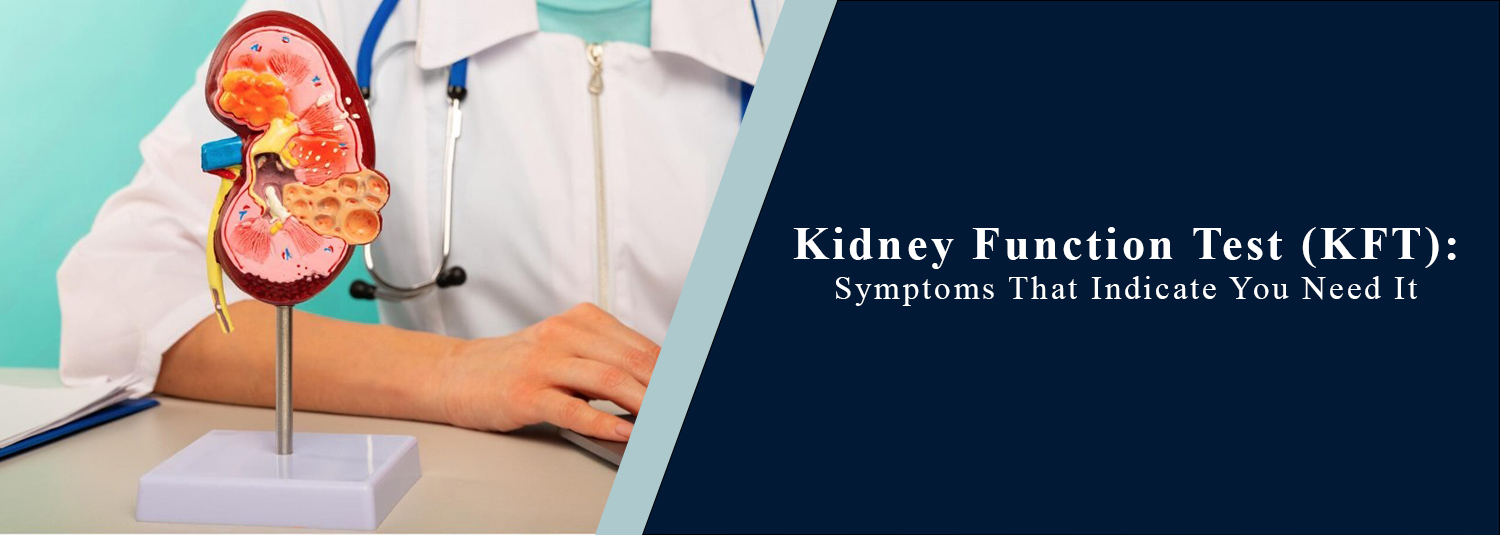
Kidneys are some of the most vital organs in the human body, and they play the most important role of eliminating waste products and excess fluids in the blood. They also assist in controlling blood pressure and electrolyte balance, and aid in the establishment of red blood cells. Although kidney problems are very important, they are usually not recognized at an early stage, as symptoms might be mild or hardly perceived. This renders early testing very vital.
Kidney Function Test (KFT) is a simple and efficient method of assessing the condition of your kidney function. Knowledge of the symptoms that indicate the necessity of this test may contribute to the timely detection of issues and avoid severe complications.
What Is a Kidney Function Test?
A Kidney Function Test is not a test but a set of blood and urine tests that determine kidney performance. These examinations are a measure of the effectiveness with which your kidneys are cleaning up the trash and keeping the balance of your body.
The main elements of a KFT are:
Serum Creatinine: It is a measure of the monitoring of kidney waste-filtering.
Blood Urea Nitrogen (BUN): The level of nitrogen in the blood of the amount of waste in the body.
Estimated Glomerular Filtration Rate (eGFR): Gives a general idea of kidney performance.
Electrolytes: Sodium, potassium, and others that are under the control of the kidneys.
These parameters provide doctors with a clear image of kidney health and allow detecting any abnormalities.
Why Early Detection Matters?
Kidney disease has also been said to be a silent condition since it may not manifest itself with noticeable effects until later. This implies that the noticeable signs may have arrived when it is too late, and the kidneys may be damaged.
A KFT can be used to detect kidney disease early on to enable timely treatment and lifestyle modifications that can delay or even prevent kidney disease. Regular urine examination is necessary for individuals with predisposing factors like diabetes or high blood pressure, or a family background of kidney issues.
Common Symptoms That Indicate You Need a KFT
Being aware of the early warning signs can make you act before the situation aggravates. Here are some of the most common symptoms:
Persistent Fatigue and Weakness
In case the kidneys are dysfunctional, the waste products build up in the body. The accumulation may result in a state of persistent fatigue, lack of energy, and inability to focus. It can even cause anemia in some instances, which is another cause of fatigue.
Swelling in the Body
Healthy kidneys take away the water that is unnecessary in the body. Failing to do so may result in fluid retention, causing the swelling of legs, ankles, or feet or face. An early sign can also be puffiness of the eyes, particularly in the morning.
Changes in Urination
Urinary patterns, which vary, are some of the most apparent symptoms of kidney problems. These can be higher frequency, particularly at night, low urine stream, dark urine, or foamy urine or blood. One should never overlook such changes.
Shortness of Breath
Fluid accumulation in the body may expand to the lungs, and one finds it hard to breathe. Moreover, low oxygen concentrations can also be caused by anemia, which can result in breathlessness as well as decreased kidney function.
Nausea and Loss of Appetite
The toxins that are accumulated in the blood can have an impact on the digestive system, causing nausea, vomiting, and a lack of appetite. This can also lead to unintended weight loss over time.
Additional Warning Signs
Other than these key symptoms, other signs can be used to identify kidney troubles. These symptoms can be insignificant, but can grow serious when chronic.
Difficulty sleeping
With muscle cramps, particularly at night.
Dry and itchy skin
High blood pressure
Taste in the mouth that is metallic.
Such symptoms usually take place because of disproportions of minerals and waste materials within the body.
Who Should Get a KFT Regularly?
Although you may not feel any observable symptoms, some people are more susceptible to kidney disease and should be tested at high frequency.
People with diabetes
Patients who have high blood pressure.
Patients who have a history of kidney diseases in their family.
People who are overweight or physically inactive
People who are taking long-term medications.
Regular check-up caters to the detection of early adjustments and avoid any permanent harm.
Quick Overview of Symptoms and Indications
When Should You See a Doctor?
In case you find any of these symptoms, particularly when they persist over a period of time or when they get worse with time, then it is necessary to seek medical attention. To identify the cause of a problem, a doctor might prescribe a KFT and other examinations.
Wait, not until severe symptoms develop. Consultation may help a great deal in taking care of the kidneys.
How to Maintain Healthy Kidneys?
Kidney disease is easy to prevent most of the times than to treat. Even basic changes in lifestyle can do wonders in ensuring that the kidneys are healthy.
Take sufficient water to be hydrated.
Eat a low salt, low processed food diet.
Physical activity to be physically fit.
Be aware of blood sugar and blood pressure.
Unless medically necessary, avoid overuse of medications.
Such habits facilitate the correct functioning of the kidneys and reduce the chance of long-term complications.
Conclusion
Kidney Function Test (KFT) is a useful diagnostic tool that assists with detecting kidney problems in their early stage, and, in numerous instances, when they do not do much harm. Silent kidney disease, it is essential to pay attention to such symptoms as fatigue, swelling, and urinal alterations.
Regular tests, especially of individuals at risk, will give earlier diagnosis and better treatment. By performing routine tests and healthy living in future years, one can save his/her kidneys and guarantee overall wellness.
Frequently Asked Questions
In News
Get Our Mobile App
for Easy Access
Book tests, view reports, and manage your health records on the go. Experience convenient healthcare with Molecular Diagnostics and Therapy.
- ✔ Book tests & home collection
- ✔ View reports instantly
- ✔ Track health history
- ✔ Get notifications & reminders
- ✔ Easy appointment management