Lipid Profile Test: When Should You Get It Done?
Talk to Health Expert

Dr. Nikunj Jain
Co-Founder and HOD - Nuclear Medicine ,MBBS, DRM, DNB, FEBNM, FANMB, Dip. CBNC
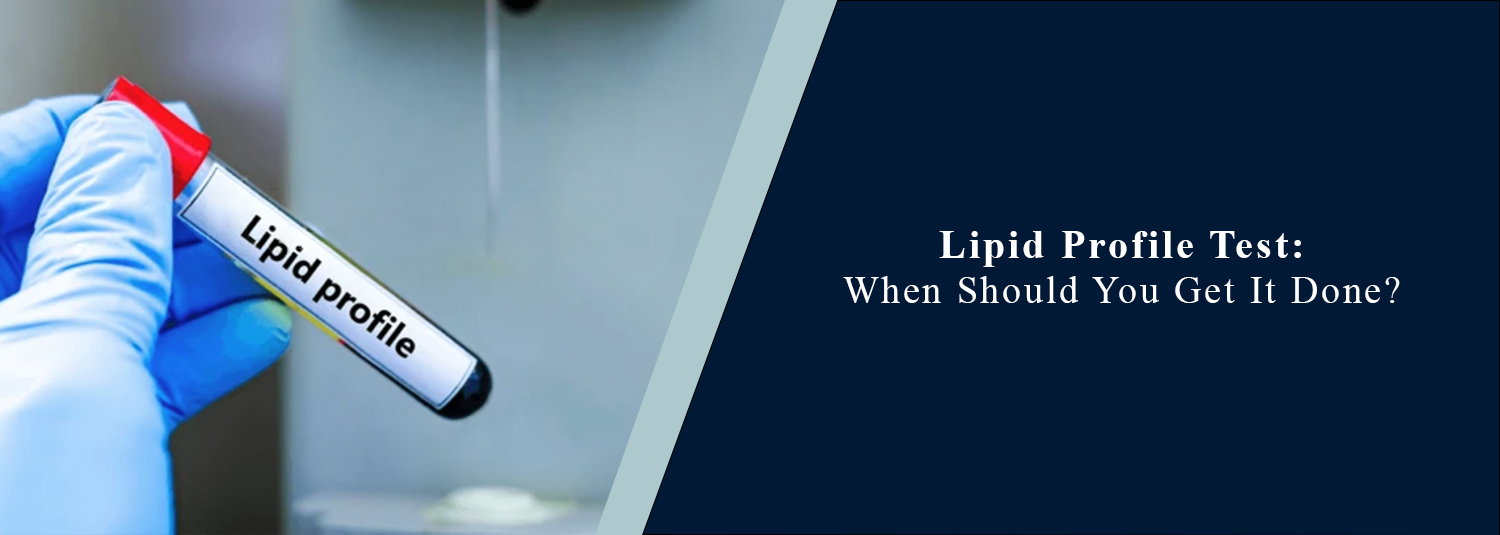
Lipid profile test is a simple and needed blood test that determines how much fat (lipids) is in your bloodstream. All these together are cholesterol and triglycerides that play a great part in your general health and, more so, in your heart health. Lifestyle diseases are on the increase, so it has become more critical now than ever to check your lipid levels.
It is also because in most situations, a person is asymptomatic when his or her cholesterol is actually high, because it is only then that most of the people start checking their cholesterol levels upon developing symptoms. Screening should thus be done regularly to aid in early detection and prevention of serious illnesses such as heart disease and stroke.
What Is a Lipid Profile Test?
A lipid profile test is a test that is done as a measure of the risk of cardiovascular diseases in your body based on the amount of various types of fats in your blood. It typically includes:
Total cholesterol
Low-density lipoprotein (LDL) is commonly known as bad cholesterol.
High-density lipoprotein (HDL) is also called good cholesterol.
Triglycerides
These values can inform the doctor on what health management your body is doing in terms of fat management and whether there is a possible danger of plaque in the arteries.
Why Is a Lipid Profile Important?
Cholesterol is required to construct the cells and produce hormones, although excess may be detrimental. A high level of LDL may cause the deposition of plaque in any blood vessel, leading to the constriction of the vessels and subsequent heart attack or stroke. On the flipside, HDL assists in getting rid of unwanted cholesterol in the blood.
A lipid profile test can be used to determine these imbalances at a young age, usually before they manifest. It can lead to timely changes in the way of life or medical intervention, which minimizes the possibility of the emergence of complications.
When Should You Get a Lipid Profile Test Done?
A lipid profile test depends on the results of the test, and the timing of the test will vary according to your age, lifestyle, and risk factors. Nevertheless, some general rules can assist you in making a choice.
For Adults
The lipid profile of healthy adults should begin at the age of 20. In case of normal results, a test can be repeated every 4-6 years. But in the case of risk factors, more frequent testing might be necessary.
If You Have Risk Factors
You may require more frequent or earlier testing in case you have:
Family history of heart disease.
High blood pressure
Diabetes
Obesity or a sedentary way of life.
Smoking habits
Under these circumstances, physicians can prescribe yearly or additional testing.
During Routine Health Check-ups
Routine health screening usually consists of Lipid profile tests. Although you might feel well, the test periodically allows you to make sure that nothing is out of control.
After Starting Treatment
When you are currently treated with high cholesterol medication, you should also take the lipid profile regularly to track the improvement and any change in treatment.
Do You Need to Fast Before the Test?
In most instances, one is advised to fast for a period of between 9 and 12 hours before the test, particularly to determine the level of triglycerides accurately. Modern tests, however, might not involve fasting. It is best to follow your doctor’s or diagnostic center’s instructions.
Understanding Your Results
A normal lipid profile is a sign of reduced potential risk of cardiovascular diseases, whereas uncharacteristic values might necessitate lifestyle modification or medical intervention.
How Often Should You Repeat the Test?
The frequency of testing is based on your health condition. Normal individuals who are healthy may not require regular testing. Nevertheless, patients who have a maladaptive level or are currently being treated should heed their physician.
The ongoing surveillance will make sure that any alterations in your lipid level are realized at the earliest stage and treated efficiently.
How to Maintain a Healthy Lipid Profile?
Lifestyle and healthy cholesterol go hand in hand. Balanced diet, physical activities, and unhealthy practices are what can be different.
Consume a whole-grain, vegetable, and fruit-filled diet.
Reduce consumption of processed foods and saturated fats.
Work out frequently to get your heart healthy.
AVOID smoking and alcohol abuse.
Such practices not only give your lipid profile an ideal look but also greatly improve your overall well-being.
Conclusion
The lipid profile test is a simple and yet effective tool for gauging your heart health. Because a high level of cholesterol may not be symptomatic, the only way to ensure that issues can be spotted at a young age and action can be taken is through regular testing.
Being informed about when to undergo testing, whether as part of routine screening, risk factors, or during treatment, can assist you to stay ahead of some of the health complications. A combination of regular check-ups and healthy living will enable you to reduce your chances of contracting heart disease by a large percentage and live a better life.
Frequently Asked Questions
In News
Get Our Mobile App
for Easy Access
Book tests, view reports, and manage your health records on the go. Experience convenient healthcare with Molecular Diagnostics and Therapy.
- ✔ Book tests & home collection
- ✔ View reports instantly
- ✔ Track health history
- ✔ Get notifications & reminders
- ✔ Easy appointment management