Low-Cost DTPA Scan in Noida: Price, Procedure & Best Diagnostic Centre Guide
Talk to Health Expert

Dr. Nikunj Jain
Co-Founder and HOD - Nuclear Medicine ,MBBS, DRM, DNB, FEBNM, FANMB, Dip. CBNC
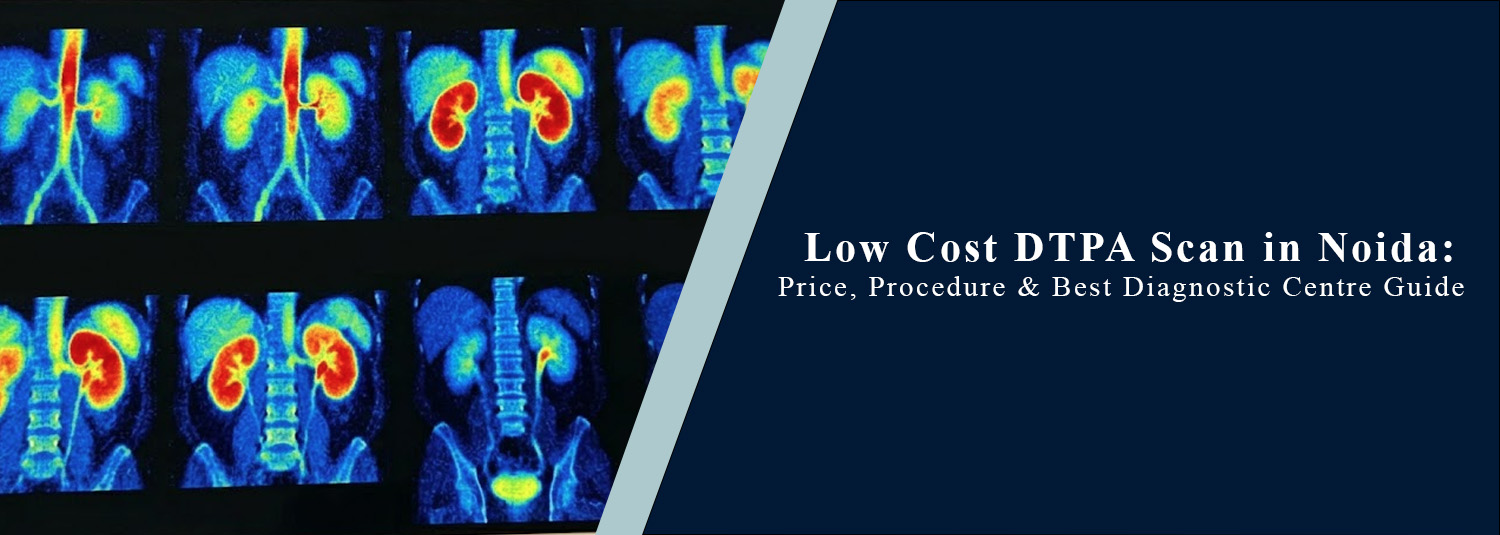
A DTPA scan is one of the more reliable and accurate nuclear medicine tests available for an accurate evaluation of kidney function. This scan is frequently ordered to assess kidney function, to detect urinary tract blockage, and to follow up on changes in several renal diseases. Patients in the City of Noida should be looking for a diagnostic centre that can provide the best diagnostic services at an affordable price when it comes to DTPA scans.
Fortunately, in the current scenario, Noida City has many advanced nuclear medicine centres with improved accessibility to valuable diagnostic services, which enable patients to receive an accurate prognosis without travelling long distances. A person who understands the cost, procedure, and benefit of a DTPA scan can be better informed to make better healthcare decisions.
What Is a DTPA Scan?
A DTPA (Diethylene Triamine Pentaacetic Acid) scan is a type of blood test that is used in nuclear medicine imaging procedures to assess kidney function and blood flow. The technique uses a tiny amount of radioactive substance being injected into the bloodstream. This tracer passes through the kidneys, and the urinary tract is used to examine the efficiency of the kidneys in filtering the body to remove waste.
Routine blood or urinary tests do not give as much functional information about the kidneys as a DTPA scan does. It assists doctors in evaluating the functioning of each kidney separately and detecting abnormalities not discovered by routine imaging tests.
Why Is a DTPA Scan Recommended?
There are a few health conditions that need a DTPA scan of the kidneys and urinary tract. The test is frequently used when evaluating kidney function in people with chronic kidney disease, urinary blockage, congenital renal disease, and in people with a type of hypertension that is caused by kidney disease.
The DTPA scan can also be used in the follow-up monitoring of certain surgeries and in assessing the function of a kidney transplant. It can be useful in children as an aid to diagnose congenital abnormalities of the urinary tract. The scan can be useful in treatment planning and in disease management, particularly because it gives detailed information about the performance of the kidneys at that time.
How Does a DTPA Scan Work?
A small amount of radioactive tracer is injected into the vein, and the scan starts. This tracer is safe and passes through the kidneys without harming them. A gamma camera takes pictures after injection as the tracer passes through the kidneys, ureters, and bladder. The imaging process enables doctors to see how the kidneys receive blood, how well they filter, and how the urine comes out of the kidneys.
An analysis of the data collected is performed by specialised software that provides in-depth information on the proper functioning of each kidney. This assists doctors in recognising if there is any change in function, blockage, or difference in function between the two kidneys.
DTPA Scan Procedure
In most cases, the scan procedure for DTPA is simple, painless, and non-invasive. In most instances, patients are encouraged to drink plenty of fluids prior to the examination. There is generally no specific preparation needed, but directions may differ depending on the patient's condition.
When the patient reaches the nuclear medicine department, the tracer is injected into a vein. The patient then rests quite comfortably under the imaging camera as the images are taken over about 30-60 minutes. It is important to be relatively still when taking the scan for a clear image acquisition. After the imaging procedure, patients are usually able to go back to normal daily living routines.
Is a DTPA Scan Safe?
A DTPA scan is safe in general. The dose of radioactive materials used is extremely small and is adjusted carefully to reduce radiation exposure and to maximise the diagnostic information. The tracer is excreted in a short time into the urine naturally. After the scan, drink plenty of fluids to speed up this process. The side effects are very rare, and this all-important scanning technique is widely accepted and trusted in nuclear medicine.
DTPA Scan Cost in Noida
Prices of the scan are among the most frequently asked questions by patients. The price range of a DTPA scan in Noida depends on the diagnostic centre, the technology they are using, the competence of their nuclear medicine team, and the necessity for extra studies.
If anything, the price of the DTPA scan in Noida can go anywhere from ₹3,500 to ₹8,000. The costs, however, may vary from facility to facility. When choosing a diagnostic centre, patients should not only take into account the cost, but also the quality of the diagnostic equipment, the reliability of reports, and the experience of specialists. A centre that has sophisticated nuclear medicine equipment may provide patients with improved results and enhance the patient experience.
Choosing the Best Diagnostic Centre for DTPA Scan
In choosing a diagnostic centre for the treatment of DTPA, one should pay attention to the facility's provision of modern nuclear medicine technology and experienced and knowledgeable healthcare professionals. A good centre would deliver good quality imaging, timely reporting of the image, convenient service to the patient, and prompt measures to ensure safety. Access to radio medicine doctors and radiologists who specialise in nuclear medicine is also crucial for accurate analysis of scan results.
When deciding on a physician or clinic, patients should take into account the physician's or clinic's reputation, the technology choices used, their diagnostic accuracy, and their convenience.
Benefits of Early Kidney Function Assessment
Many kidney disorders can have no early signs and symptoms and only become apparent when a lot of damage has been done. Advanced imaging tests, such as DTPA scans, allow for the identification of a problem early, while giving the patient time to determine a treatment for corrective work.
Assessment at an appropriate time enables doctors to keep track of the health of the kidneys, start treatment, and prevent complications. For those patients with chronic kidney disease, the rate of monitoring helps to prevent the disease from getting worse, which has a positive impact on the patient's long-term outcome. The value of the DTPA scanning is particularly noteworthy because it gives the capability of assessing kidney function directly, rather than just the kidney anatomy.
Why does Accurate DTPA Imaging Matter?
Accurate diagnosis is critical for good treatment decisions. In cases of kidney blockage, kidney transplantation monitoring, or when patients have unexplained kidney issues, accurate imaging can make all the difference to patient care.
Advanced DTPA imaging assists the physician in assessing the severity of kidney dysfunction, studying the efficacy of treatment, and its progression over time. This information can be used to guide individualised treatment plans and improve clinical outcomes.
Conclusion
One of the key nuclear medicine tests, a DTPA scan, gives great detail about how the kidneys work and drain urine. It is important in diagnosing kidney disorders, assessing if there is a blockage in the urine flow, following transplants, and making treatment decisions.
A patient who looks for a cheap DTPA scan in Noida should not compromise the diagnostic quality, utilisation of advanced technology, and expert medical assistance. By selecting a reputable diagnostic centre, you can be confident of a precise diagnosis and a hassle-free patient experience.
We are proud to offer the best-in-class nuclear medicine facilities, specially trained experts, and patient-centric diagnostics and therapeutics. With the help of Molecular Diagnostics and Therapy, we continue to assist patients in Noida and other regions with accurate assessment of kidney functions and the best DTPA imaging techniques.
Frequently Asked Questions
In News
Get Our Mobile App
for Easy Access
Book tests, view reports, and manage your health records on the go. Experience convenient healthcare with Molecular Diagnostics and Therapy.
- ✔ Book tests & home collection
- ✔ View reports instantly
- ✔ Track health history
- ✔ Get notifications & reminders
- ✔ Easy appointment management