Preparing Children for Diagnostic Imaging Procedures
Talk to Health Expert

Dr. Nikunj Jain
Co-Founder and HOD - Nuclear Medicine ,MBBS, DRM, DNB, FEBNM, FANMB, Dip. CBNC
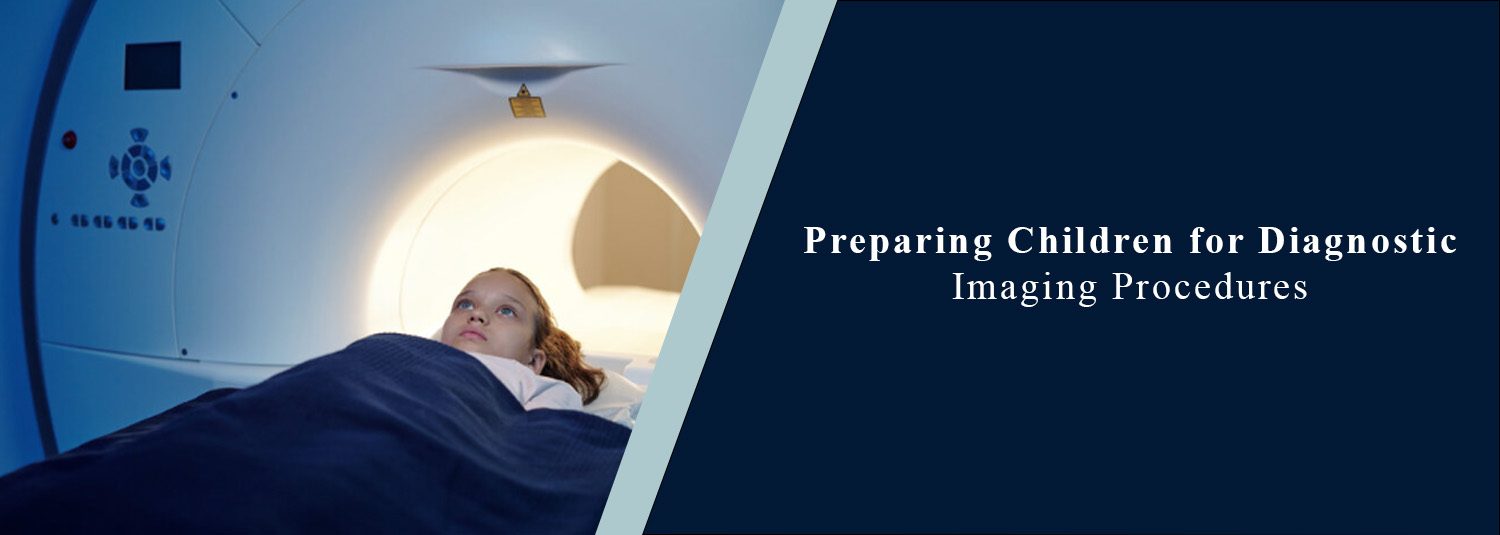
Doctors may be able to gain information about what may be going on
inside a child's body through the use of diagnostic imaging procedures. The
physician may decide to have the child undergo an ultrasound, CT scan, MRI
scan, and, in a few cases, a PET-CT scan. Chase between your toddler and the
doctor's office is not the only piece of advice your kid needs to follow when
undergoing an imaging test. It is also important to help the child feel safe
and comfortable. New rooms, big machines, strange noises, or having to remain
quiet can also cause children to feel concerned.
Parents/caregivers are a significant factor in the process of
helping children to understand what is occurring. This can be made easier with
simple explanations, good preparation, and following the directions of the
medical team. For diagnostic imaging in Molecular Diagnostics and Therapy,children are prepared for the examination being performed as well as for their
medical requirements.
Why Preparation Is Important for Children?
Kids may not realize why they require a scan. This could be the
fear of needles, new equipment, or not being around their parents. The child
can be helped to cooperate with the examination and may not be as afraid by
having good preparation. This is particularly important with scans that involve
stillness.
Requirements for preparation vary based on these factors: age of
child, type of scan, body part scanned, and whether contrast or sedation is
needed. It is important for parents to always adhere to the instructions
provided by the doctor or imaging centre, as they may vary from procedure to
procedure.
How to Explain a Scan to Your Child?
Describe the scan in suitable terms for your child's age. For
younger children, you can explain that this is a machine which is similar to a
kind of special camera which takes a picture of the inside of the body. Explain
that the scan provides information to the doctor, explaining what is ailing
them.
If an injection or IV line is used, do not tell the child that
this will not hurt. Instead, simply remind them that they'll feel a brief pinch
and a team of medical personnel is available to help them. Ask your child what
questions they have. Children can sometimes feel more at ease if they know what
to expect.
Ultrasound Scan Preparation for Children
Using sound waves, an ultrasound creates images of organs and
tissues. It doesn't involve radiation and is typically painless. To prepare for
an ultrasound, you may need to eat, drink, and rest. Depending on the area
being scanned, you may need to eat, drink, and rest before an ultrasound exam.
A special preparation is not required for some ultrasound examinations. In
others, the child might have to not eat for a span of time or come with a full
bladder.
Some pelvic or urinary ultrasound examinations, for instance,
might necessitate a full bladder; others, such as an abdominal ultrasound,
might require that the patient fast. The healthcare team gives parents
particular instructions, and parents should not assume that the same guidance
is available for all ultrasounds.
CT Scan Preparation for Children
Computed tomography (CT) scans are a form of X-ray imaging using
computer techniques to produce a detailed image of the body. If a contrast
material is needed for the scan, how to prepare for it may vary from patient to
patient. Avoid food or drink for a short time before the examination,
particularly if sedation or contrast is to be used, for some children. Parents
should provide the medical team with all important medical information such as
previous contrast reaction, kidney issues, medications, etc.
The procedure of a CT scan is normally rapid, although the child
might have to remain completely still. If the child is a very young child, or
too fidgety or unable to stay still, the doctor may talk about resorting to
sedation. Due to the use of radiation in CT, its use is recommended only when
medically indicated. To ensure radiation exposures are as low as reasonably
practicable, the imaging team can use child-friendly techniques.
MRI Scan Preparation for Children
An MRI is a powerful machine that makes use of a strong magnetic
field combined with radio waves to produce detailed images. Does not employ
X-rays. The preparation of an MRI scan is particularly important because the
child needs to be in a completely still position during the scan. MRI machines
may also make noises of pounding.
Pre-scanning, parents should ensure that the medical team is made
aware if the child has implants or metal devices, previous surgery, or any
other suspected foreign metal materials within the child's body. Jewellery, watches,
accessories to hair or items of clothing that have metal joined to them may be
removed from the child's person.
Some young children might need anesthetic or sedation to complete
an MRI because they may need to be scanned for a longer period of time. If
sedation is to be planned, parents should be given special instructions
regarding food and drink beforehand. Sedatives should never be administered to
a child without a specific prescription and instructions by the medical team.
PET-CT Scan Preparation for Children
A PET-CT scan combines
PET imaging with CT imaging. It may be used in selected conditions, including
certain cancers and other medical problems. PET-CT scan preparation depends on
the type of radiotracer and the reason for the scan. In many cases, the child
may need to avoid eating for a specific period before the examination. After
the radiotracer is given, there may be a waiting period before imaging begins.
During this time, the child may need to rest quietly. Parents should follow
instructions regarding food, drinks, physical activity, and medicines. In some
cases, blood sugar levels may also need to be considered before the scan. The
imaging team provides instructions based on the child's individual examination.
Helping Children Stay Calm During the Scan
A calm parent can help a
child feel calmer. Speak reassuringly and stay relaxed when explaining the
procedure. Bring a familiar comfort item if the imaging centre allows it. This
could be a favourite toy, blanket, or another suitable item. For an MRI, ask
the centre in advance whether your child can listen to music or use other
child-friendly comfort methods during the scan. Avoid using the scan as a
threat or punishment. Instead, explain that the medical team is there to help
and that the child can tell an adult if they feel scared or uncomfortable.
What Should Parents Bring?
Parents may need to
bring the child's previous medical reports, imaging reports, doctor's
prescription, and details of current medicines. It can also be helpful to bring
a favourite comfort item, depending on the centre's rules. Dress the child in
comfortable clothing. The imaging team may ask the child to change into a gown
or remove certain items before the scan. If sedation is planned, make sure
another responsible adult is available to help take the child home if required.
What Happens After the Imaging Procedure?
Most children can return
to normal activities after an imaging procedure unless they have received
sedation or have been given special instructions. If contrast, sedation, or
another medicine was used, the medical team provides instructions about what to
do after the examination. The images are reviewed by a qualified specialist,
and a report are prepared for the referring doctor. Parents should contact the
healthcare team if they have concerns after the procedure.
When Might Sedation Be Needed?
Some children may find
it difficult to remain still for a long imaging examination. Sedation or
anesthesia may be considered when medically appropriate. The decision depends
on the child's age, ability to cooperate, type of scan, and expected scan
duration. Parents receive detailed instructions if sedation or anesthesia is
required, including fasting instructions and post-procedure care. Sedation
should only be given under appropriate medical supervision.
Conclusion
It's important to prepare a child for the experience of diagnostic
imaging to make it less stressful for the child and parent. It is crucial to
know the details of the examination. The preparations for paraffin embedding
may vary depending on the type of scan taken (ultrasound scan preparation, CT
scan preparation, MRI scan preparation, or PET-CT scan preparation). Always
follow the instructions provided for your child's particular test.
When conveying the process, keep language simple and truthful, and include your child in the process by asking questions and offering reassurance. Notify the health care staff of any medications, allergies, previous reactions, or pertinent medical information. Molecular Diagnostic and Therapy prepares and cares to ensure a better imaging experience for kids and their families.
Frequently Asked Questions
In News
Get Our Mobile App
for Easy Access
Book tests, view reports, and manage your health records on the go. Experience convenient healthcare with Molecular Diagnostics and Therapy.
- ✔ Book tests & home collection
- ✔ View reports instantly
- ✔ Track health history
- ✔ Get notifications & reminders
- ✔ Easy appointment management