Preparing for Your MRI or CT Scan: Clothing Guidelines
Talk to Health Expert

Dr. Nikunj Jain
Co-Founder and HOD - Nuclear Medicine ,MBBS, DRM, DNB, FEBNM, FANMB, Dip. CBNC
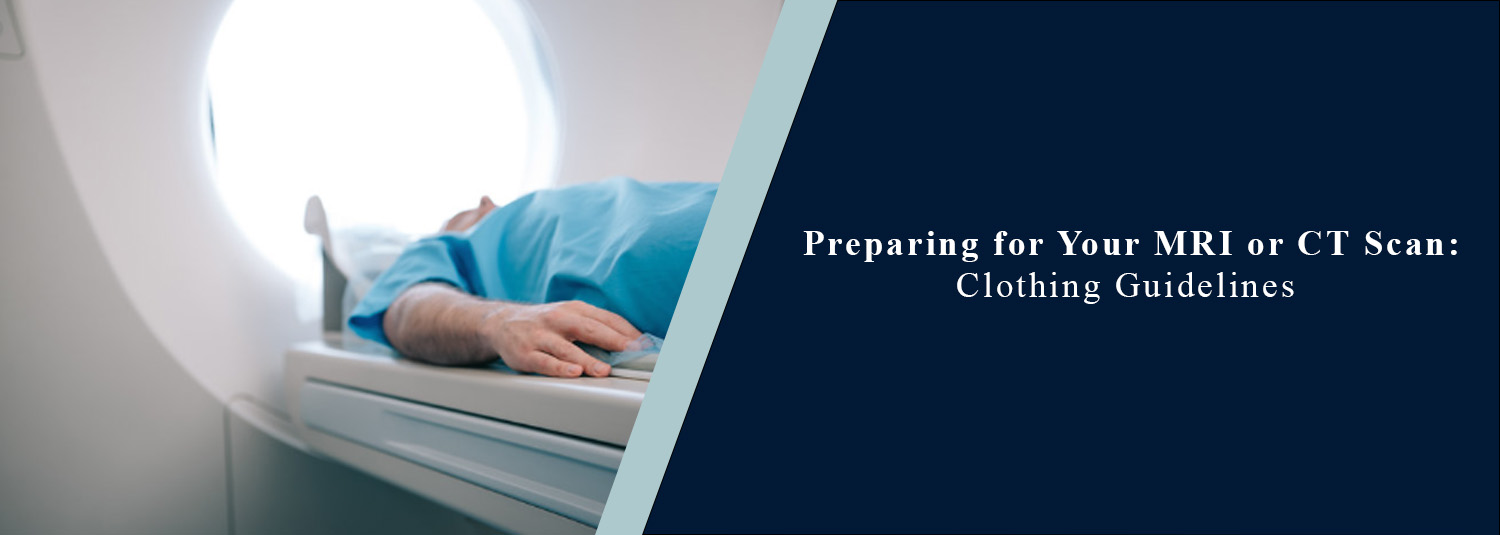
Going to a medical imaging appointment takes more than being on time. A question that is often asked by patients just before being examined is what to wear during the procedure to have a scan. When requested for an MRI scan, or another form of imaging determined by your situation, you can consider how to dress for it to make it a pleasant and efficient experience by choosing proper clothes.
Each imaging procedure has specific requirements; wearing the incorrect type of clothing could cause delays, or appropriate clothing might be needed to change into a hospital gown. A little bit of preparation and research here, by knowing what to wear and not wear, helps to alleviate any stress and enhance your experience. Molecular Diagnostics and Therapy provides detailed instructions to go over with patients so they can get the best results with the imaging and have a comfortable visit.
Why Does Clothing Matter During Imaging Procedures?
Medical imaging machines are extremely fragile and sensitive, created to take images of internal organs and tissues in great detail. Some clothing fabrics and/or items may affect the image or cause safety issues during examination. Especially for MRI, metallic objects can have an effect on images; they might cause artefacts that make diagnosis more difficult. Radiology staff can gain clearer images and fewer interruptions when wearing the proper attire.
What to Wear for an MRI Scan?
When you are scheduled to have an MRI, the type of clothing is important because MRI machines are extremely powerful magnets. Generally, patients are recommended to wear loose, comfortable clothes that don't contain any metal. T-shirts, pyjamas, sweatpants, etc., made of cotton, are generally an appropriate option. Zippers, buttons, hooks, underwire, metallic threads, or metallic decorations should be avoided for clothing, if possible. You might be requested to undress into a hospital gown before the exam, so your own garments don't have metal.
Why must metal be avoided during an MRI?
The MRI scanners are strong magnets that affect metals. Pearls, rings, watches, unless the patient uses a portable MRI, belts, coins, keys, hairpins, hearing aids, or removable dental appliances are generally removed before entering the MRI room. Very small metal objects can affect image quality or, in some cases, pose a safety hazard. Patients at risk of being affected by an implanted medical device (e.g., pacemaker, aneurysm clips, cochlear implant, or some surgical implants) should inform imaging staff before examination.
Clothing Tips for a Whole Body MRI Test
The whole-body MRI test may need to be performed for a longer time than standard MRI scans, and comfort is particularly important. To keep still during the procedure, wear loose-fitting clothing made of breathable fabrics. If the scan is to be performed on several body areas, then avoiding metal pieces is even more critical. Look for an imaging center that provides directions for preparing for the MRI if you are looking for whole body magnetic resonance imaging near me for a more comfortable experience.
What to Wear for a CT Scan?
Preparing for a CT scan doesn't involve many restrictions, typically fewer than for an MRI exam. CT scans can frequently be done while wearing regular clothes, as long as there is not too much metal around the area being studied. Patients may still need to remove jewelry, belts, eyeglasses, or any clothing accessories that may interfere with getting a good image, depending on what part of the body is being scanned. If the examination involves the use of contrast material or imaging larger portions of the body, some of these may require the use of a patient gown.
Does Contrast Material Affect Clothing Requirements?
Some scans using MRI or CT may require an intravenous (IV) dye to enhance the pictures. If a contrast is to be used, the healthcare provider may wish to have the patient wear sleeves on the arm into which the IV is to be inserted. Easing steps in preparing for infection prevention without causing any discomfort during the procedure can be made easier with comfortable clothing. If you need to have imaging with contrast, your imaging center will give you specific instructions.
What Should Women Wear?
If you are having an MRI (magnetic resonance imaging) or a CT scan, you should refrain from wearing clothing with metallic elements, such as designed underwires, decorative zippers, and other embroidery. Simple cotton clothing and sports bras that have no metal are often suggested when getting an MRI scan. Recommendations for CT scans might differ depending on the part of the body being scanned. When choosing clothing to wear to imaging appointments, ease of changing should also be taken into account.
What Should Children Wear?
Children having imaging tests require easy-to-wear and familiar clothes. Wherever possible, children are encouraged to wear loose-fitting clothes that have no buttons, zippers, or metallic decorations or decorations that could catch on them. If changing into hospital clothes is required, having an extra spare set of clothes might be useful, too. To minimize discomfort and anxiety, there should be greater cooperation for the exam.
Additional Items to Avoid
Other personal items may need to be removed before imaging procedures in addition to clothing. Some jewelry, watches, mobile phones, wallets, credit cards, hair items, eyeglasses, a hearing aid, and removable dental appliances may disrupt scanning or be affected by MRI magnets. Carefully adhering to staff directions promotes patient safety and a quality image.
Preparing for Your Appointment
Preparing the reading materials ahead of time can save on longer waiting periods. When in doubt, call the imaging center before sending an item to find out if it is proper to wear. All patients should also alert staff to implants, medical devices, allergies, pregnancies, or prior reactions to the contrast material prior to the examination. Effective communication between imaging team members enables teams to offer the safest, best possible care delivery.
Does Clothing Affect CT Scan Cost or MRI Cost?
The clothing you wear does not influence the price of the examination. Factors affecting CT scan cost and MRI pricing usually include the body part being examined, the use of contrast material, scan complexity, and the type of equipment used. Individuals searching for information such as CT scan near me or whole body MRI near me should prioritize quality, technology, and experienced radiology teams rather than cost alone. Accurate imaging and expert interpretation remain the most important considerations.
Conclusion
Getting dressed for an imaging appointment can be more comfortable, more efficient, and help healthcare professionals get good images. Loose, comfortable clothing, such as a T-shirt to change into, is frequently best for an MRI scan; the preparation is more varied for CT, depending on the body area being scanned. Here are some tips to help make it a smooth and successful time.
Using cutting-edge technology, accomplished professionals, and patient-focused care, Molecular Diagnostics and Therapy provides highly advanced imaging services such as MRI scan tests, a complementary choice to X-rays, and whole-body MRI test facilities for precise diagnosis and improved health outcomes.
Frequently Asked Questions
In News
Get Our Mobile App
for Easy Access
Book tests, view reports, and manage your health records on the go. Experience convenient healthcare with Molecular Diagnostics and Therapy.
- ✔ Book tests & home collection
- ✔ View reports instantly
- ✔ Track health history
- ✔ Get notifications & reminders
- ✔ Easy appointment management