Understanding the Medical Importance of the PET CT Scan for Cancer
Talk to Health Expert

Dr. Nikunj Jain
Co-Founder and HOD - Nuclear Medicine ,MBBS, DRM, DNB, FEBNM, FANMB, Dip. CBNC
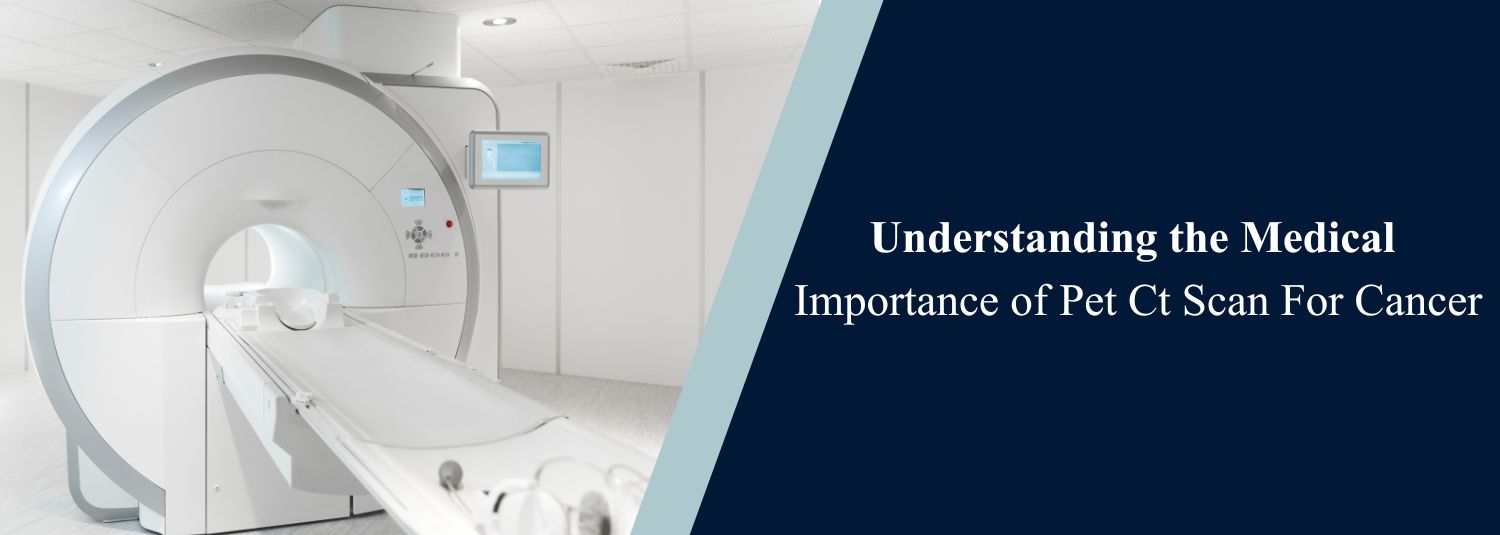
Cancer treatment requires a significant amount of effective diagnosis. One of the most innovative diagnostic techniques used today is PET CT scans. This scan allows viewers to detect not only physical structures but also functional changes within tissues. Since cancer cells function in a completely different manner than normal cells, this diagnostic technique has been highly effective in determining cancer levels in patients. Knowing such importance can help in making an informed decision regarding cancer treatment.
What is a PET CT scan?
A PET CT scan is a combination of two distinct imaging techniques called Positron Emission Tomography (PET) and Computed Tomography (CT). While PET measures cell activities, CT creates images of body parts. When combined, this imaging technique allows medical professionals to obtain information regarding the size, location, and activity levels of cancer cells. This scan finds widespread use in cancer diagnostics and treatment.
Why the PET CT scan Is Important in Cancer Diagnosis
Cancer cells grow and divide much faster than normal cells. PET CT scan picks up this alteration at the cellular level, often way before changes may be visible on any other scan. It helps doctors find out if a lump is cancerous, how far the disease has spread, and just how aggressive it is.
Medical benefits include:
- Early detection of cancer
- Accurate cancer staging
- Monitoring response to treatment
- Detecting cancer recurrence
- Helping plan radiation or surgery
Because of these benefits, doctors often consider it the best PET CT scan test for complete cancer evaluation.
Conditions Where PET CT scan Is Commonly Used
PET CT scans are widely used for many types of cancer, including:
- Lung cancer
- Breast cancer
- Lymphoma
- Colorectal cancer
- Head and neck cancers
In many cases, this scan reduces the need for multiple tests by providing complete information in one procedure.
PET CT scan Fasting and Preparation Details
Before the scanning procedure, the patient is required to follow certain guidelines for a proper test to be done. Knowledge of details concerning the PET CT scan fasting test requirements is significant for optimal results.
Common preparation guidelines:
- Fasting for 4–6 hours before the scan
- Avoid sugar and carbohydrates before the test
- Drink plain water unless advised otherwise
- Inform the doctor about diabetes or medications
- Do not take any medication before the scan unless prescribed by your doctor (e.g., insulin, metformin, thyroid medicines)
Following the correct PET CT scan fasting test details helps ensure clear and reliable imaging results.
Noted: Always follow the preparation instructions given by your diagnostic centre or doctor for accurate results.
How PET CT scan Helps in Cancer Treatment Planning
After cancer has been detected, treatment planning assumes importance. PET scans help doctors decide whether a patient needs surgical interventions, chemotherapy, radiation therapy, or joint therapy for cancer. The scans also assist in determining if the treatment has been successful by scanning before and after treatment.
Safety and Comfort During the Scan
PET scans are harmless and non-invasive. A trace amount of radioactive material needs to be used for this purpose. This radioactive material exits the body automatically in a short duration. A PET scan does not involve any pain for the individual. Patients are able to return to their normal activities on the same day. Pregnant and breastfeeding mothers are required to consult their physician before this procedure.
Noted: Share your complete medical history with the healthcare team to ensure safe scanning.
Role of Advanced Diagnostic Centres
The accuracy required in a PET CT scan cannot be obtained by the scanner alone, but also requires professional expertise. Molecular Diagnostics and Therapy offers advanced imaging solutions, expertise, and care for accurate diagnostic analysis and patient care. By focusing on patients, the facility helps physicians in taking confident medical decisions. At Molecular Diagnostics and Therapy, patients avail personalized care by following strict quality protocols for precision and safety in all processes.
When Should a Doctor Recommend a PET CT scan?
Doctors may suggest this scan when:
- Cancer is suspected but not confirmed
- Cancer staging is required
- Treatment response needs evaluation
- There is a risk of cancer recurrence
- Other imaging tests are unclear
Timely scanning can make a significant difference in treatment success and patient outcomes.
Conclusion
A PET CT scan is an important diagnostic tool in the treatment and diagnosis of cancer. This imaging process is important because it offers views of the structure as well as the activity of cells. This is vital since it is able to offer more information compared to other imaging tools. Recognising the importance of PET scans empowers patients to participate in the journey towards overcoming their condition.
Frequently Asked Questions
In News
Get Our Mobile App
for Easy Access
Book tests, view reports, and manage your health records on the go. Experience convenient healthcare with Molecular Diagnostics and Therapy.
- ✔ Book tests & home collection
- ✔ View reports instantly
- ✔ Track health history
- ✔ Get notifications & reminders
- ✔ Easy appointment management