Gallbladder Ultrasound: Symptoms That Require Evaluation
Talk to Health Expert

Dr. Nikunj Jain
Co-Founder and HOD - Nuclear Medicine ,MBBS, DRM, DNB, FEBNM, FANMB, Dip. CBNC
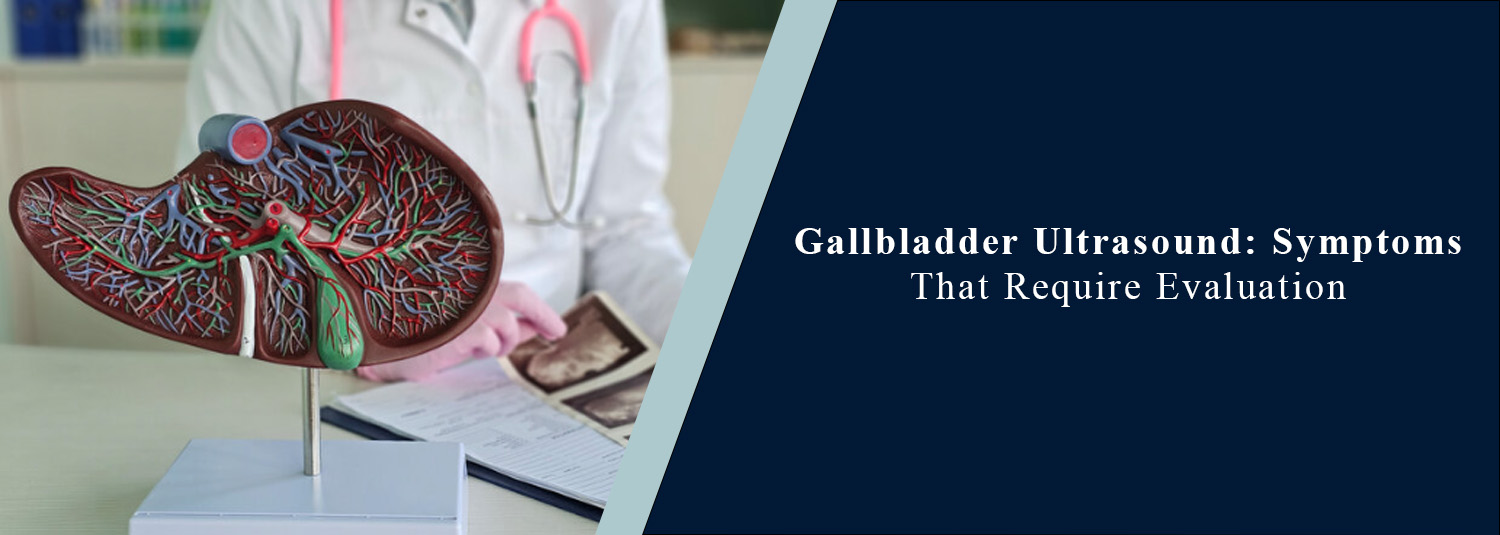
The gallbladder is a small organ in which bile, a digestive fluid, is stored and helps reduce fat. The gallbladder is a small organ that plays an important role in digestion. Should it become problematic with infections, inflammation, gallstones, or blockage, the patient may experience complications and may require immediate medical attention. Ultrasound is the best and most helpful method of examining the gallbladder. This imaging tool makes detailed images of the gallbladder and other organs without the use of radiation. Doctors may order an abdominal ultrasound for people who have an upset stomach or other symptoms of gallbladder problems. Identifying signs and symptoms can ensure early treatment is offered, and assessment is made to diagnose the process early. Molecular Diagnostics and Therapy has cutting-edge imaging equipment and seasoned radiologists specializing in treating and interpreting ultrasound scan services, providing patients with optimal health care.
What Is a Gallbladder Ultrasound?
An ultrasound (Sound Wave) examination of the gallbladder is a diagnostic test that uses sound waves to view the gallbladder, bile duct, liver, and other tissues around the liver. The next step during the exam is to slowly pass a scanner (handheld electronic device) over the top of the abdomen while the skin is covered with a special transmission gel to determine tissue characteristics. The sound waves pass through the body to the gall bladder, where they reflect and create a real-time image of the gall bladder. The ultrasonography scanning process is harmless and a painless technique which will usually takes 15 minutes to 30 minutes.
Why Is a Gallbladder Ultrasound Performed?
If the doctor thinks that there are any problems with the gall bladder or upper abdomen, an ultrasound scan is suggested. The exam can reveal gallstones, swelling of the gall bladder, thickened wall of the gall bladder, blockage of the bile duct, polyps, infections, and other abnormalities. A scan might also be used to check the function of other organs that are close by if the abdominal symptoms are not clear, e.g., liver and pancreas.
Symptoms That Require Evaluation
There are a few symptoms which might indicate the need for a gallbladder ultrasound scan. The most common symptom is pain in the upper right hemi-abdomen. It occurs in days or hours, sometimes very soon after eating foods that are high in fat (snacks). In some patients, the pain will extend to the right shoulder or upper back. If you experience persistent nausea, vomiting, bloating, indigestion, too much gas, or problems digesting fatty foods, then this can be another indication of a gallbladder problem. Abdominal pain and fever may be symptoms of a gallbladder infection – and it's a serious condition that needs to be seen immediately. When the gallstones block the bile ducts, the skin may get yellow and the eyes, too – you get that, right? Doctors might recommend having an ultrasound scan if the abdominal pains keep happening after eating.
Conditions Detected by a Gallbladder Ultrasound
Several gallbladder conditions can be detected with an ultrasound. Gallstones are the most often discovered condition. Size of the hardening varies, as well as the ability to drain the bile. This test can also be used to diagnose inflammation of the gallbladder (acute or chronic), polyps of the gallbladder, dilation of the bile duct, presence of bile sludge in the gallbladder, and inflammation around the gallbladder. Sometimes the examination may reveal poisoning with paracetamol due to overactive liver and/or pancreas gland.
Ultrasound Scan Procedure
The ultrasound scan procedure is simple and comfortable. A transparent gel is placed on top of the abdomen, and the patient is positioned on an examination table. The radiologist/sonographer scans the skin with the transducer in various directions, creating detailed images. In some cases, the patient will be instructed to try to hold their breath for a short period of time or move their position to get the best picture. There are no needles, radiation used, or painful procedures involved in the examination. The ultrasound scan method is carried out in Molecular Diagnostics and Therapy with state-of-the-art imaging systems, which deliver superior diagnostic images.
Ultrasound Scan Preparation
The best ultrasound preparations allow the clearest picture of the gallbladder. Patients typically need to fast for about 6-8 hours before the exam. Eating can cause the gallbladder to get partially empty, resulting in a false positive. Normally, patients are permitted to have small sips of water, unless otherwise directed. Preparation for the ultrasound scan will increase the accuracy of the scan if the advice of the sonographer is followed.
Understanding Ultrasound Scan Test Details
Patients need to know the basics of the ultrasound scan test before undergoing the test. Patients are not exposed to radiation, and it does not require the patient's intervention. It obtains images of the gallbladder in real time to help a doctor determine the condition of the gallbladder's shape and structure. Before the examination, most patients can resume their normal activity. The scan is clinically appropriate for adults, children, older adults, and pregnant women.
Ultrasound Scan Report
An ultrasound scan report will provide information on what is visible about the gallbladder and other organs. Abnormalities such as gallstones, gallbladder wall thickening, and an increase in the size of the bile duct may be included; also, gallbladder inflammation, gallstones, polyps, or other abnormalities may be reported. If there is nothing abnormal, the ultrasound scan report will show that no significant abnormalities have been found, etc. Your doctor will examine the report in addition to the signs, history, blood tests, and any other tests performed, to determine treatment.
Why Early Evaluation Is Important
Sometimes, individuals might not notice the indications of a gallbladder issue, and it can bring about crippling issues. If not treated, gallstones can form in the ducts, become infected, or lead to severe pain, pancreatitis, or perforation of the surrounding organs. The use of ultrasound can help doctors to make an early diagnosis of the condition so that treatment can be administered before the condition gets worse. There is a possibility to reduce pain, prevent emergency surgery, and long-term digestive health issues with early testing.
Choosing a Trusted Diagnostic Centre
If you're looking for an ultrasound scan near me, ensure that you have the opportunity of finding an experienced radiologist, high-quality ultrasound machines, and trustworthy reporting. The use of good pictures can lead to enhanced diagnostic and treatment decisions. Molecular Diagnostics and Therapy offer high-quality ultrasound scan services that are performed by professionals and will be interpreted by experts. They also offer comprehensive data from ultrasound scan tests, accurate reports, and patient-focused care.
Conclusion
One of the safest and most effective investigations of abdominal pain and gall bladder disease is ultrasound of the abdomen and gall bladder. It's important to never take for granted vomiting, abdominal cramps or pain, hives, discomfort in the upper abdomen, nausea, vomiting, bloating, and/or fever and jaundice after eating a fatty meal. Understanding the procedure of the Ultrasound scan, preparing for the Ultrasound scan, and reviewing the Ultrasound scan with the doctor will allow for early detection and appropriate treatment. Molecular Diagnostics and Therapy offer you an excellent alternative for an advanced ultrasound scan near me, as they will deliver advanced imaging technology with expert knowledge as well as accurate diagnostics.
Frequently Asked Questions
In News
Get Our Mobile App
for Easy Access
Book tests, view reports, and manage your health records on the go. Experience convenient healthcare with Molecular Diagnostics and Therapy.
- ✔ Book tests & home collection
- ✔ View reports instantly
- ✔ Track health history
- ✔ Get notifications & reminders
- ✔ Easy appointment management