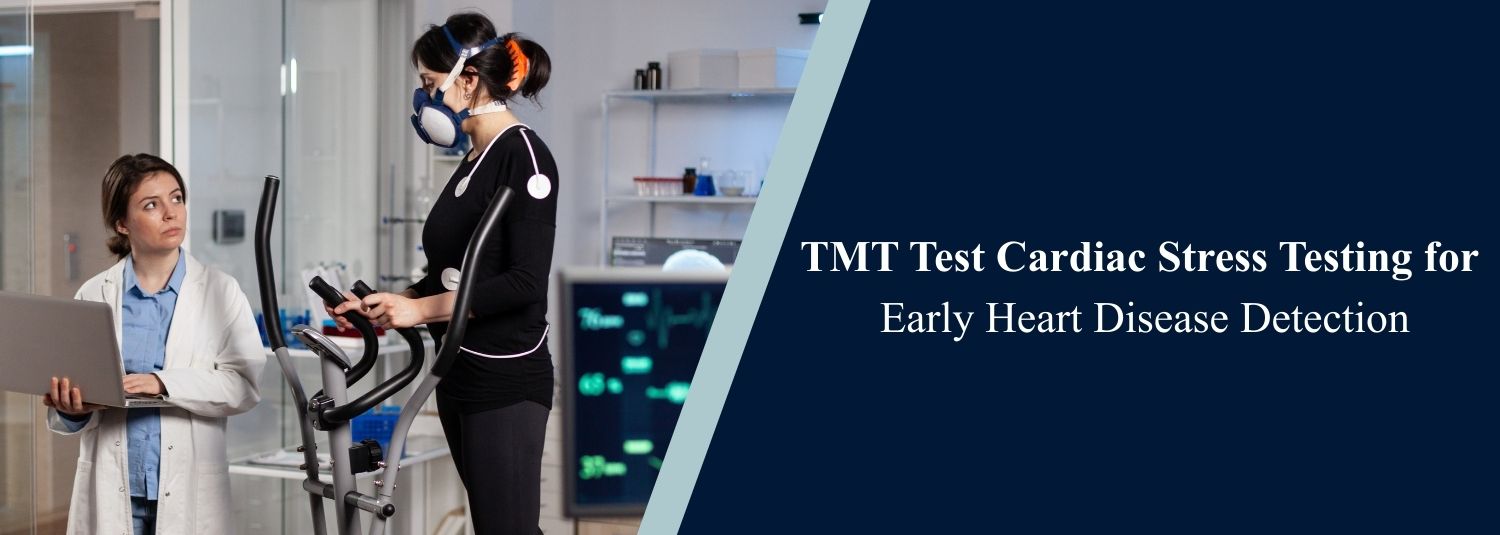
Treadmill Test (TMT): Importance, Procedure, and Benefits for Heart Health
Heart disease remains a major health concern worldwide, and early detection plays a crucial role in preventing serious complications such as heart attacks. Many heart issues may not appear while resting but become noticeable during physical activity. This is why doctors recommend a Treadmill Test (TMT), also known as a cardiac stress test, to evaluate how the heart performs under stress.
The TMT test is simple, non-invasive, and generally painless. It helps detect early signs of blocked arteries and other heart-related conditions by analyzing blood flow, heart rhythm, and overall cardiac performance during exercise.
What Is a TMT Test?
The Treadmill Test (TMT) evaluates how the heart responds to increasing levels of physical stress. During the test, the patient walks on a treadmill while the doctor continuously monitors the heart using an ECG. Blood pressure and heart rate are also recorded at regular intervals.
As the speed and incline of the treadmill gradually increase, the heart works harder. This controlled stress helps doctors identify potential cardiac abnormalities that may not be visible at rest.
Why Is the TMT Test Important?
Coronary artery disease occurs when arteries supplying blood to the heart become narrowed. At rest, blood supply may be adequate, but during exercise, oxygen demand increases. If arteries cannot supply enough blood, symptoms like chest pain or abnormal ECG changes may occur.
The TMT test is useful for:
- Detecting early coronary artery disease
- Evaluating chest pain or unexplained shortness of breath
- Identifying exercise-induced arrhythmias
- Assessing fitness before major surgery
- Monitoring recovery after heart procedures
It is especially beneficial for individuals with high blood pressure, diabetes, high cholesterol, obesity, smoking habits, or a family history of heart disease.
How Is the TMT Procedure Performed?
Before starting the test, small electrodes are placed on the chest to record ECG activity. A blood pressure cuff is applied to monitor blood pressure during the procedure.
The test begins with a slow walk. Every few minutes, the speed and incline increase in a controlled manner. The goal is to reach a target heart rate based on the patient’s age and condition.
The test may be stopped if:
- The target heart rate is achieved
- Significant ECG changes appear
- The patient experiences severe chest pain, dizziness, or fatigue
The total duration is typically 20–30 minutes, including preparation time.
What Do the Results Show?
The results provide insights into heart rhythm, blood pressure changes, and exercise tolerance. Doctors analyze ECG patterns and symptoms experienced during the test.
If abnormal findings are observed, further investigations such as echocardiography, coronary angiography, or advanced imaging may be recommended.
TMT vs Other Cardiac Tests
| Feature | TMT Test | Resting ECG | Echocardiography |
|---|---|---|---|
| Performed During Exercise | Yes | No | No |
| Detects Stress-Induced Ischemia | Yes | Limited | Limited |
| Monitors Heart Rhythm | Yes | Yes | Yes |
| Non-Invasive | Yes | Yes | Yes |
| Typical Duration | 20–30 minutes | 5–10 minutes | 20–30 minutes |
Is the TMT Test Safe?
The TMT test is generally safe when conducted under medical supervision. It is performed in a controlled environment with trained professionals and emergency equipment available if needed.
However, it may not be suitable for patients with unstable angina, severe valvular disease, recent heart attack, or significant arrhythmias. A physician evaluates suitability before recommending the test.
How to Prepare for a TMT Test?
Wear comfortable clothes and suitable walking shoes. Avoid heavy meals before the test. Follow your doctor’s instructions regarding medications, and inform them about any existing medical conditions.
Benefits of Early Detection
Early detection through TMT allows timely lifestyle changes, medication adjustments, or further evaluation before major cardiac events occur.
Conclusion
The Treadmill Test (TMT) is a valuable, non-invasive diagnostic tool for evaluating heart performance under stress. It helps detect early signs of coronary artery disease and supports preventive cardiac care.
At Molecular Diagnostics and Therapy, we provide accurate and patient-focused cardiac diagnostic services using advanced equipment and expert medical supervision.