Why Is Fasting Required Before Certain Diagnostic Tests?
Talk to Health Expert

Dr. Nikunj Jain
Co-Founder and HOD - Nuclear Medicine ,MBBS, DRM, DNB, FEBNM, FANMB, Dip. CBNC
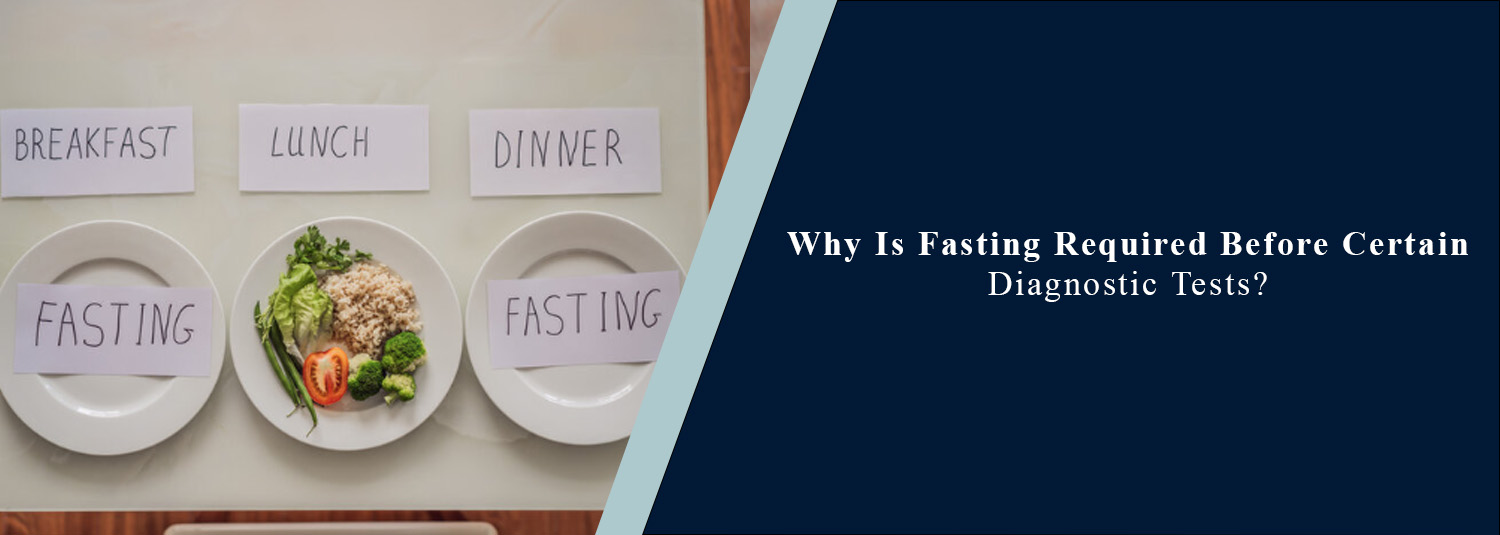
Patients are told not to eat for a certain length of time before
some diagnostic tests. It's known as fasting. It also helps prepare for certain
blood and imaging tests, as it can temporarily interfere with the body's
functions. But before all tests, fasting isn't mandatory. Fasting could be
necessary, depending upon the type of the examination and the information
sought.
For instance, fasting before a PET scan may be important for some
PET scans. Suitable preparation for a PET scan can be obtained by following the
instructions for the PET scan. When looking for PET CT scan fasting near me, it
is crucial to keep in mind that every reason for a PET scan may involve a
different diet. In Molecular Diagnostics and Therapy, those who come to the
clinic are provided tailored information to make the right preparations for
them before test administration.
What Does Fasting Before a Diagnostic Test Mean?
Typically, a fast requires a person to abstain from eating a
certain amount of food prior to a test. Patients may or may not be allowed to
drink water without additives during the examination. How to do this can be
slightly different or not. Some tests may need fasting for several hours while
some do not require fasting at all.
The direction to fast for certain tests should not be taken from
any patient as a universal rule. Follow the doctor/diagnostic centre's advice
at all times. Fasting before some diagnostic tests aims to minimize factors
that might alter the test results or contribute to having more complex results.
Why Can Food Affect Diagnostic Tests?
Immediately after consuming food, your body begins to digest and
process the food. This can, temporarily, affect the blood sugar level, the
amount of insulin in the blood, and metabolic processes. In some blood tests,
these changes affect the actual blood test results. In other imaging tests,
what you eat can also affect how the organs look on the imaging study or the
distribution of various radiotracers in the body. This is because fasting could
sometimes be suggested prior to certain diagnostic interventions.
This is not meant to be just letting the patient starve. Fasting
should be performed when this can help to establish conditions for a specific
test.
Why Is PET CT Scan Fasting Important?
PET CT scan fasting is critical for some PET CT scans where the
scan injects radiotracer into the body to give information as to what is going
on inside. One of the PET radiotracers that is used is based on the sugar
glucose. Blood glucose and insulin may fluctuate after a meal. Changes could be
in the uptake or distribution of the tracer in the body. This means that the
food effects have likely decreased by following the fasting instructions, and
this in turn aids results from the examination.
Not all PET scans, however, involve the same radiotracer or
preparation, since the scanner and its use have advanced far beyond the time of
its original invention. Instructions vary with the type of PET exam. General
advice is available on the internet for patients to follow but should always be
followed in the instructions given with the patient's scan.
Understanding PET CT Scan Preparation
There are measures other than fasting that may be involved in
preparing for a PET CT scan. Patients may be given advice on what activities to
avoid, how much water to supplement, their medicine, and self-management of
blood sugar, depending on the type of scan. In some cases, patients are advised
to refrain from strenuous activity before the PET scan to ensure that some of
the radiotracers are not affected by heavy exercising.
Blood sugar and diabetes medications can influence PET imaging;
persons who have diabetes might need special preparation. Please make sure that
the medical staff knows if you have diabetes or take insulin or any other
medication that affects the level of glucose in your blood. Don't suddenly stop
or alter any medicines you are taking unless you are told to by your doctor or
healthcare team.
What Happens If You Eat Before a PET CT Scan?
Do not conceal information if it is suggested that you eat when
fasting. Report to the diagnostic centre the foods you ate and when you ate
them. The medical crew determines if it is possible to perform this scan again,
or if it can be rescheduled. In some cases, eating may not make it impossible to
conduct a scan, but in some types of PET imaging, it may impact the process.
The best advice to follow is to notify the centre immediately and follow the
healthcare team's instructions.
Can You Drink Water During Fasting?
A non-sweetened beverage (water) may be given during the fasting
time for many tests. In the case of certain situations, it could even be
suggested to consume drinking water. There can be differences in the exact
rules for the test, however. It is not assumed that tea, coffee, juice, milk,
or other beverages are permitted during fasting. These could include calories
or ingredients altering the way they are prepared. Always follow the exact
directions given for your exam.
Does Every PET CT Scan Require Fasting?
No. The preparations for a PET CT scan vary, depending on the
purpose and type of tracer. Other preparation requirements or restrictions on
foods may apply to some PET imaging scanners. General guidance on engaging in
fasting for the PET scan can't take the place of instructions for a specific
examination. To find a diagnostic centre nearby that offers information on diet
for PET CT scanning, select one that has a distinct description.
Fasting Before Other Diagnostic Tests
Fasting may also be
required before certain blood tests and imaging examinations. For example, some
blood tests are affected by recent food intake. Certain abdominal imaging
examinations may also require fasting to improve the visibility of particular
organs. However, many diagnostic tests do not require fasting.
A CT scan, MRI scan,
X-ray, or ultrasound may have completely different preparation requirements
depending on the area being examined and whether contrast material or another
specialised procedure is involved. The test name alone may not tell you whether
fasting is required.
Who Needs Special Fasting Instructions?
Some patients require
individualised preparation. People with diabetes, especially those taking
insulin or medicines that lower blood sugar, should receive specific
instructions before fasting. Older adults, children, pregnant patients, and
people with certain medical conditions may also require special consideration.
Fasting for longer than instructed can sometimes cause problems, especially in
people who need regular food or medication. Never extend the fasting period on
your own because you believe it improves the test.
Common Mistakes During Fasting Before Diagnostic
Tests
One common mistake is
drinking tea or coffee during a fasting period. Even if no sugar is added,
these drinks may not be allowed for some tests. Another mistake is chewing gum
or eating small snacks while thinking they don't matter. Patients may also
forget to report medicines, especially diabetes medicines. Some people exercise
heavily before a PET scan without realising that increased muscle activity can
affect selected PET examinations. The best way to avoid these problems is to
read the preparation instructions carefully and ask the diagnostic centre if
anything is unclear.
How Long Do You Need to Fast?
The fasting period depends
on the test. There is no single fasting rule that applies to all diagnostic
examinations. Some tests require a few hours of fasting, while others may
require longer or no fasting at all. The correct fasting duration is provided
as part of your PET CT scan preparation or other diagnostic test instructions.
Do not rely on someone else's preparation experience because their examination
may have been different from yours.
Fasting Before Diagnostic Tests at Molecular
Diagnostics and Therapy
At Molecular Diagnostics
and Therapy, patients receive preparation guidance based on their specific
diagnostic examination. For patients undergoing a PET CT scan, PET CT scan
fasting and other preparation requirements are explained according to the type
of scan and the patient's individual needs. Patients should share information
about diabetes, medicines, and other relevant health conditions before their
appointment so that appropriate preparation guidance can be provided. If you
are looking for a PET CT scan fasting near me, remember that clear and correct
preparation instructions are an important part of a well-planned diagnostic
examination.
Conclusion
It's ok to fast before diagnostic tests only when it is necessary
for a specific test. It can minimize the influence of recent intake of food and
provide appropriate test conditions. PET CT scan is rarely conducted without
fasting, and in some types of PET examination, having nothing to eat for a few
hours prior to the scanning is an important preparation for many reasons, as
some radioactive tracers are affected by changes in blood sugar.
There are, however, instructions on exercise, fluid intake, medicines, and diabetes management included in the preparation for a PET CT scan. The most crucial is that you follow the directions of your own test. Please ensure that you do not blindly follow a general fasting recommendation and that not all scans are considered a 'fasting test'. Molecular Diagnosticsand Therapy gives patients specific instructions relating to the preparation for that examination to help in preparation for their diagnostic test.
Frequently Asked Questions
In News
Get Our Mobile App
for Easy Access
Book tests, view reports, and manage your health records on the go. Experience convenient healthcare with Molecular Diagnostics and Therapy.
- ✔ Book tests & home collection
- ✔ View reports instantly
- ✔ Track health history
- ✔ Get notifications & reminders
- ✔ Easy appointment management