EMG Test Diagnosing Muscle and Neuromuscular Disorders
Talk to Health Expert

Dr. Nikunj Jain
Co-Founder and HOD - Nuclear Medicine ,MBBS, DRM, DNB, FEBNM, FANMB, Dip. CBNC
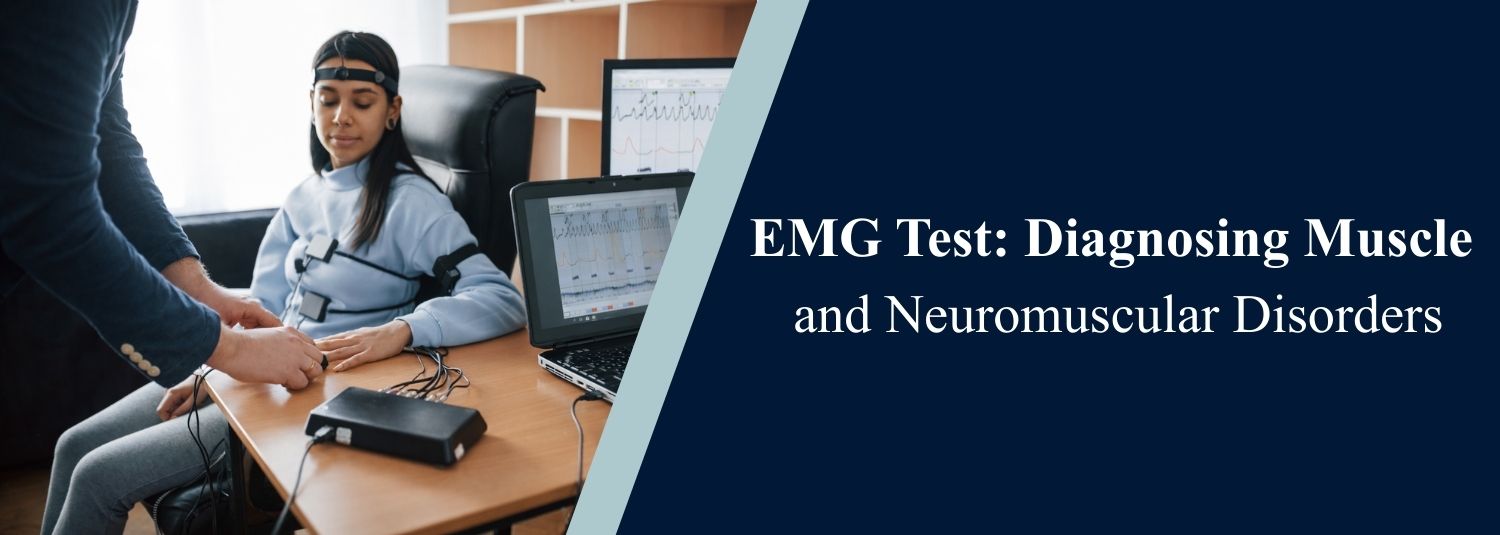
Sometimes, muscle weakness, tingling, numbness, or unexplained pain is an indication of underlying nerve or muscle issues. In this case, physicians usually prescribe an EMG test to determine what is occurring within the muscles and nerves. EMG or Electromyography is a complex diagnostic test that helps determine the health of muscles and nerves that regulate the muscles. EMG testing conducted at Molecular Diagnostics and Therapy is precise, comfortable, and supervised by an expert to provide the right diagnosis and help with a timely treatment plan.
This blog is designed to show you how to get to know the EMG test in the simplest and most comfortable way, so that you are at ease and in the know before undergoing the procedure.
What Is an EMG Test?
EMG test (Electromyography) is a test that measures the electrical activity of the muscles when they are at rest and on contraction. The muscles work due to the impulses of nerves. When there is a snag in this nerve-to-muscle communication, then this may result in weakness, pain, and abnormal muscle functioning.
The EMG test assists physicians in identifying whether the symptoms are a result of:
Muscle disorders
Nerve compression
Nerve damage
Neuromuscular junction disorders
Motor neuron diseases
It is usually done together with a Nerve Conduction Study (NCS) to have a full assessment.
Why Is an EMG Test Recommended?
Physicians recommend EMG test where individuals have symptoms that cannot be attributed clearly on the basis of physical examination.
Common reasons include:
Persistent muscle weakness
Tingling or numbness in hands or legs
Muscle cramps or spasms
Suspected nerve injury
Back or neck pain radiating to limbs
Suspected conditions like neuropathy or myopathy
A test, the EMG, is used to determine whether the cause of the problem is the muscle or the nerves that serve it.
How the EMG Procedure Is Performed
The EMG test is normally filled out in two sections. To assess nerve conduction, small surface electrodes can be applied to the skin in the first place. Next, the electrical activity is measured by placing a very thin needle electrode gently into definite muscles.
During the procedure:
You may feel mild discomfort when the needle electrode is inserted.
The doctor may ask you to relax or contract the muscle.
The entire test typically takes 30 to 60 minutes.
Molecular Diagnostics and Therapy have professionals who take care of the process and make sure that the operation is performed with minimal discomfort and that it gives precise results.
EMG vs Nerve Conduction Study: What’s the Difference?
Both tests are often done together for a complete picture of neuromuscular health.
Conditions Diagnosed by EMG
EMGs are useful in the diagnosis of different neuromuscular illnesses.
Some common conditions include:
Peripheral neuropathy
Carpal tunnel syndrome
Sciatica
Muscular dystrophy
Myasthenia gravis
Motor neuron disease (ALS)
Radiculopathy (nerve root compression)
The timely identification assists the doctors in commencing treatment at the appropriate moment and avoiding complications.
Is the EMG Test Safe?
Yes, EMG can be regarded as a safe and low-risk diagnostic procedure. It is not associated with radiation. The instrument is a sterile pin that is very thin. In some individuals, the tested muscles are likely to cause minor soreness in a day or two, which usually subsides on its own.
Before the test, inform the doctor if you:
Are taking blood thinners
Have a bleeding disorder
Have a pacemaker
Have any skin infections
At Molecular Diagnostics and Therapy, the patient safety procedures are adhered to, and the process of experiencing it is saturated with a pleasant and secure experience.
Preparing for an EMG Test
Preparation for an EMG test is simple. You may be advised to:
Avoid applying lotions or creams on the test day
Wear loose and comfortable clothing
Inform the doctor about medications
Eat normally unless instructed otherwise
No special fasting is usually required.
Importance of Accurate Reporting
EMG is a test that is not only effective with regard to the sophisticated equipment used, but also the skills of the expert who will be reading the findings. With the assistance of proper analysis, muscle disease and nerve disorders are distinctly differentiated.
In Molecular Diagnostics and Therapy, EMG reports are critically assessed by highly trained personnel to give your treating physician a clear diagnostic report.
When Should You Consider an EMG Test?
An EMG test can give valuable responses in case of unexplained weakness in the muscles, nerve pain persisting, or numbness not being relieved. Earlier diagnosis helps in eliminating further deterioration of the underlying nerve damage.
Delaying diagnosis may lead to:
Progressive muscle weakness
Permanent nerve damage
Reduced mobility
Chronic pain
Timely testing supports better treatment planning and recovery.
Conclusion
An EMG test is a necessary diagnostic tool required to detect muscle and nerve-related disorders accurately. EMG gives clarity to the unclear weakness, nerve pains, or even suspected neuromuscular disease to help in the appropriate treatment. Molecular Diagnostics and Therapy provides high-quality EMG testing with effective diagnostics support and qualified care in a secure and comfortable setting.
Book Your EMG Test Today
Should your physician advise that you have an EMG test done, or if you are having alarming nerve/ muscle symptoms, then pay attention to them. Detection in its early stages is a major difference in the results of treatment.
Contact Molecular Diagnostics and Therapy to reserve your EMG test at 92172 44110. Our staff is willing to help you in making an appointment, preparing, and providing full diagnostic assistance.
Frequently Asked Questions
In News
Get Our Mobile App
for Easy Access
Book tests, view reports, and manage your health records on the go. Experience convenient healthcare with Molecular Diagnostics and Therapy.
- ✔ Book tests & home collection
- ✔ View reports instantly
- ✔ Track health history
- ✔ Get notifications & reminders
- ✔ Easy appointment management