
PET Scan: Precision Imaging in Cancer Diagnosis and Monitoring
Talk to Health Expert

Dr. Nikunj Jain
Co-Founder and HOD - Nuclear Medicine ,MBBS, DRM, DNB, FEBNM, FANMB, Dip. CBNC
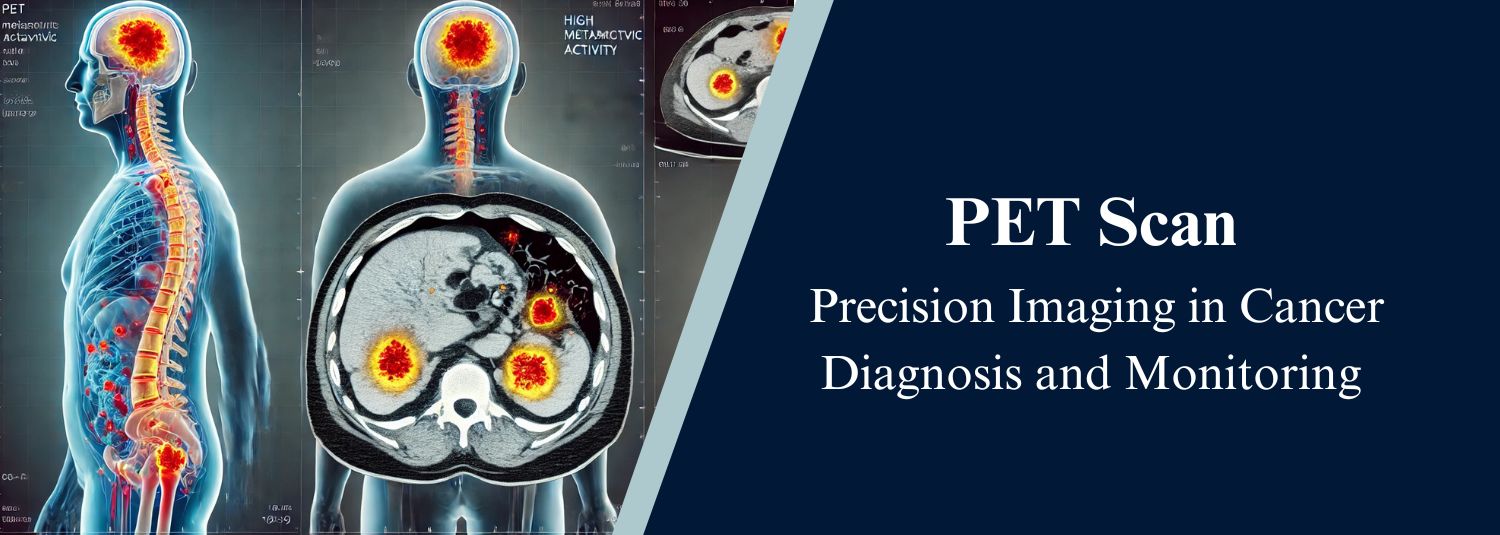
Cancer diagnosis and medication, accuracy, clear and timely decisions are needed. The PET scan is one of the scans that has changed the mode of care of cancer over the years. A PET scan, or Positron Emission Tomography scan, is considered quite useful because it can reveal cancer very early and monitor treatment responses. A PET scan depicts the way tissues and cells are performing, unlike when routine imaging tests are done, which only reveal the structure of the body. In Molecular Diagnostics and Therapy, PET scanning is done with advanced equipment and professional interpretation to help in the proper diagnosis of cancer and further monitoring.
This blog is designed to help you understand the PET scan in a simple and comfortable way, so you know why it is advised, how it works, and how it supports cancer care at every stage.
What Is a PET Scan?
A PET scan is a nuclear test used to assist the doctor in visualising metabolic processes within the body. A radioactive tracer is injected into the blood during the scan. The cancer cells use more energy compared to normal cells, and thus take more of this tracer, hence depicting bright spots on the scan images.
PET scans are able to detect the changes at the cellular level and thus can often detect cancer earlier than CT and MRI scans. This renders PET imaging very useful in cancer treatment, particularly where early diagnosis and proper staging are very important.
Why PET Scan Is Important in Cancer Diagnosis
PET scans are important in the accurate diagnosis of cancer. They assist the doctors in confirming an area of suspicion as cancerous and the stage to which the disease has metastasised. This is necessary information in choosing the appropriate treatment plan.
A PET scan helps in cancer diagnosis by:
Detecting cancer at an early stage
Differentiating between benign and malignant growths
Identifying spread to lymph nodes or distant organs
Assessing the exact extent of the disease
Molecular Diagnostics and Therapy has oncology-oriented protocols of PET scan that guarantee clear images and reliability of the results to make confident clinical decisions.
Role of PET Scan in Cancer Staging
Cancer staging explains the extent to which the disease has developed and whether it has moved outside the site of occurrence or not. PET scanners give a whole body view on a single scan, and thus they are suited well for stage accurate staging.
PET scan staging helps doctors:
Determine the stage of cancer precisely
Decide whether surgery is possible
Plan radiation or chemotherapy accurately
Avoid unnecessary or ineffective treatments
Accurate staging ensures that patients receive treatment that is appropriate for their condition, neither more nor less than required.
PET Scan for Cancer Monitoring and Treatment Response
PET scanning does not exclusively work with diagnosis. They are also vital in following up on cancer during the treatment process. The PET scan indicates the success of chemotherapy, radiation treatment, or even immunotherapy.
PET scans are able to reveal metabolic changes at an early stage, unlike other scans that may require months before size reduction is noted. This enables physicians to make changes to treatment plans where necessary, enhance outputs and minimise exposure to other therapies that do not work.
PET Scan vs Other Imaging Tests
PET scans complement other imaging tests and often provide critical information that cannot be obtained through structural imaging alone.
When Is a PET Scan Recommended?
Doctors may advise a PET scan in several cancer-related situations.
A PET scan is commonly recommended for:
Suspected cancer diagnosis
Cancer staging before treatment
Monitoring response to chemotherapy or radiation
Detecting cancer recurrence
Evaluating unexplained symptoms in cancer patients
When a PET scan has been recommended to you by your doctor, booking in advance can be significant in the treatment process.
What to Expect During a PET Scan Procedure?
The PET scan process is non-toxic and has good tolerance. The patients are then allowed a period of 45-60 minutes to allow the tracer to circulate throughout the body after the tracer injection. The scan process itself normally takes 20-30 minutes.
During the scan, it is recommended that patients stay still in order to be imaged correctly. The whole procedure is normally an estimated 2 - 3 hours. In Molecular Diagnostics and Therapy, patients are helped in a methodical process to make them comfortable and clear during the procedure.
Is a PET Scan Safe?
Yes, the use of PET scans is safe when it is conducted under medical conditions. The radioactive trace is low, and it is naturally excreted in the body over a very short period. Side effects are low, and the advantages of proper diagnosis often greatly exceed the negligible dangers.
Why Choose Molecular Diagnostics and Therapy for PET Scan?
The results of an accurate PET scan require a high level of equipment, protocols, and expert interpretation. Molecular Diagnostics and Therapy has the best PET imaging technology, qualified nuclear medicine, and a patient-centred atmosphere based on trust and care.
Conclusion: Precision Imaging That Supports Better Cancer Care
PET scans have established themselves as an integral part of the contemporary diagnosis and monitoring of cancer. PET imaging enables physicians to detect disease at its early stages, stage it and monitor treatment response with a high degree of accuracy and confidence by providing all the essential information about the cells. It is crucial to select the appropriate diagnostic centre to obtain accurate results and stay calm. Molecular Diagnostics and Therapy aims to offer accurate PET scan images in patient-centred care. PET scan: Call 92172 44110 now and make a step toward the informed care of cancer.
Frequently Asked Questions
In News
Get Our Mobile App
for Easy Access
Book tests, view reports, and manage your health records on the go. Experience convenient healthcare with Molecular Diagnostics and Therapy.
- ✔ Book tests & home collection
- ✔ View reports instantly
- ✔ Track health history
- ✔ Get notifications & reminders
- ✔ Easy appointment management
