Follicular Study Monitoring Ovulation in Fertility Treatment
Talk to Health Expert

Dr. Nikunj Jain
Co-Founder and HOD - Nuclear Medicine ,MBBS, DRM, DNB, FEBNM, FANMB, Dip. CBNC
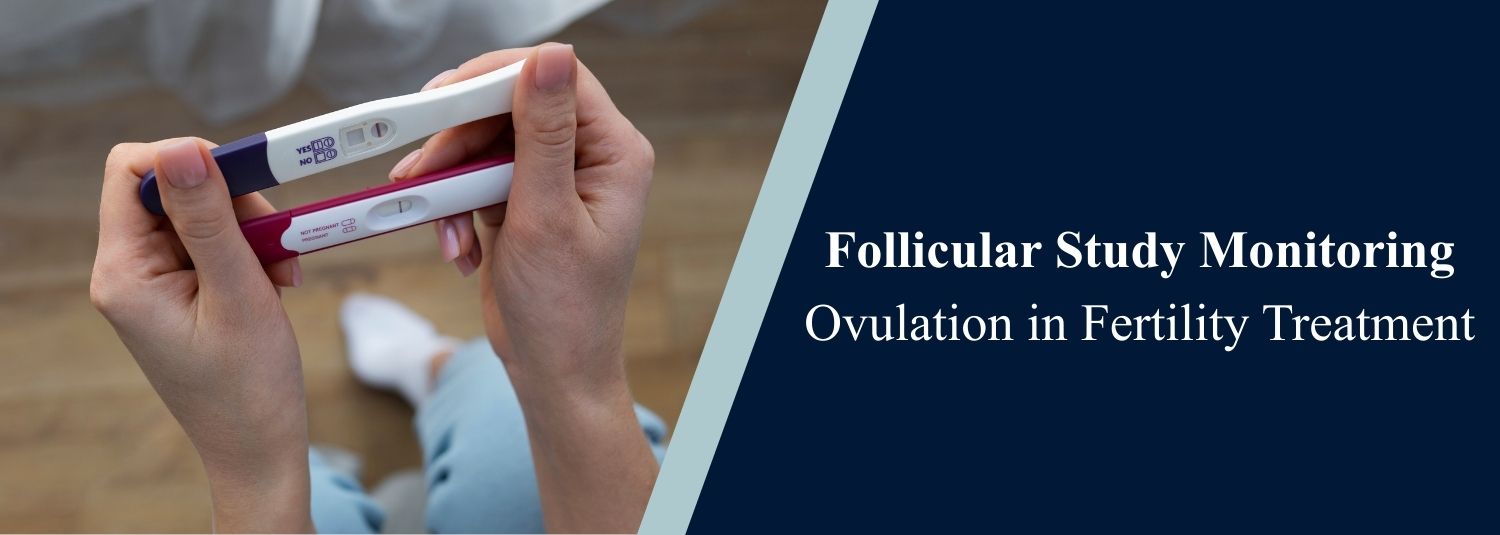
Planning a pregnancy can be both emotional and hopeful. Some couples may require time and medical assistance to conceive. One important test that helps doctors understand ovulation and improve the chances of conception is a Follicular Study. It is a simple ultrasound-based monitoring process widely used in fertility treatment.
In modern diagnostic facilities such as Molecular Diagnostics and Therapy, high-resolution ultrasound machines are used to conduct follicular monitoring, providing timely and accurate reports for fertility planning.
What Is a Follicular Study?
A follicular study refers to a series of ultrasound scans performed during a woman’s menstrual cycle. These scans monitor the growth and development of ovarian follicles. The ovaries contain fluid-filled sacs called follicles, each of which contains an egg. In a normal cycle, one follicle becomes dominant and releases an egg during ovulation.
By monitoring these follicles, doctors can determine:
- Whether ovulation is occurring
- The size and maturity of the egg
- The best time for natural conception or assisted procedures
Why Is Follicular Study Important?
Ovulation timing is crucial for conception. Even a slight variation can affect the chances of pregnancy. A follicular study helps determine the exact time of ovulation, improving success rates.
It is commonly recommended in cases of:
- Irregular menstrual cycles
- Polycystic Ovary Syndrome (PCOS)
- Unexplained infertility
- Fertility treatments such as IUI or IVF
- Women taking ovulation-inducing medications
How Is the Procedure Done?
The test is usually performed using a transvaginal ultrasound to obtain clearer images. The procedure is safe and generally painless. Monitoring typically begins around Day 9 or Day 10 of the menstrual cycle and is repeated every 1–2 days to track follicle development.
Doctors measure:
- Follicle size
- Endometrial (uterine lining) thickness
- Signs of follicle rupture (ovulation)
A mature follicle usually measures approximately 18–24 mm before ovulation.
What Happens During Ovulation Monitoring?
Doctors observe the growth of the follicle. Once it reaches an appropriate size, ovulation typically occurs within 24–36 hours. In fertility treatments, doctors may administer a trigger injection to induce ovulation at the right time.
The uterine lining is also evaluated. A healthy and adequately thick endometrium is essential for implantation of a fertilized egg.
Benefits of Follicular Study
Follicular monitoring offers several advantages:
- Identifies the exact ovulation day
- Increases chances of natural conception
- Improves timing for IUI or IVF procedures
- Detects ovulatory problems early
- Monitors response to fertility medications
Because it provides real-time information about ovarian activity, it allows doctors to personalize treatment effectively.
Who Should Consider a Follicular Study?
This test may be recommended for women who:
- Have difficulty conceiving after 6–12 months
- Have irregular or absent periods
- Are undergoing fertility treatments
- Have hormonal imbalance conditions such as PCOS
It is also beneficial for couples who want to better understand their ovulation cycle while planning a pregnancy.
Is the Test Safe?
Yes, a follicular study is completely safe. It uses sound waves rather than radiation. There are no major side effects. A transvaginal ultrasound may cause mild discomfort, and the procedure usually takes about 10–15 minutes.
How Does It Improve Fertility Treatment Success?
One major advantage of a follicular study is the elimination of guesswork. Instead of estimating ovulation based on calendar dates, doctors directly observe follicle development.
This precise monitoring:
- Improves timing of intercourse
- Enhances IUI success rates
- Ensures egg maturity before IVF retrieval
- Prevents missed ovulation
By closely tracking the reproductive cycle, it significantly increases the likelihood of successful pregnancy.
Conclusion
A follicular study is a simple yet highly effective tool in fertility care. By monitoring egg development and ovulation, it helps both doctors and couples plan conception more accurately. Whether attempting natural conception or undergoing assisted reproductive treatment, this test plays a crucial role in improving pregnancy success rates.
With proper guidance and monitoring at reliable centers like Molecular Diagnostics and Therapy, couples can make informed decisions on their journey toward parenthood.
Frequently Asked Questions
In News
Get Our Mobile App
for Easy Access
Book tests, view reports, and manage your health records on the go. Experience convenient healthcare with Molecular Diagnostics and Therapy.
- ✔ Book tests & home collection
- ✔ View reports instantly
- ✔ Track health history
- ✔ Get notifications & reminders
- ✔ Easy appointment management