How Diagnostic Imaging Helps Detect Heart Disease
Talk to Health Expert

Dr. Nikunj Jain
Co-Founder and HOD - Nuclear Medicine ,MBBS, DRM, DNB, FEBNM, FANMB, Dip. CBNC
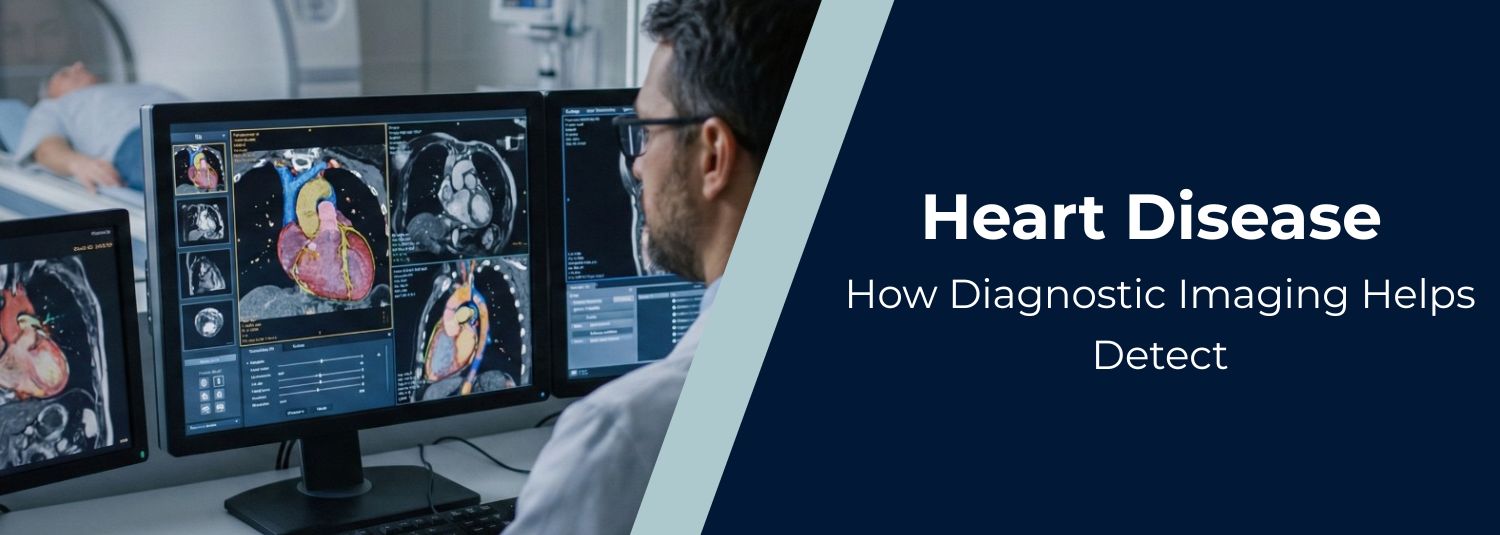
Heart problems have emerged as one of the most prominent health issues being witnessed these days, as they affect people belonging to all age groups. The early diagnosis of these issues holds equal importance as it helps in preventing any complications, and here comes the importance of modern medical technologies. Various imaging procedures for diagnosing heart problems have enabled medical practitioners to have a clear understanding of the functionality of the heart and prepare them for taking preventive measures before it becomes too late.
Importance of Early Detection
Heart problems can progress without any symptoms. It has been witnessed that people with heart problems find out about their health issues at a stage when they experience intense symptoms, including chest pain and shortness of breath. Due to cardiac stress and associated health problems like diabetes and hypertension, it becomes essential for people with stressful lifestyles and family backgrounds to undergo heart health screening. It can prevent life-threatening conditions like heart attacks and strokes.
Common Diagnostic Tools in Heart Conditions
There exist several trustworthy technological methods preferred in modern medicine for diagnosis related to heart disease conditions. These technologies provide efficient methods for evaluating cardiac health.
1. ECG (Electrocardiogram)
It is a heart function test as it analyzes the electrical signals within the heart. The technique can be employed to check an irregular heart signal, a heart attack, and stress on the heart.
2. Echocardiography (ECHO)
ECHO uses sound waves to display live images of the heart. It is often one of the first heart disease diagnosis tests conducted to understand heart chambers, valves, and blood flow.
3. CT Coronary Angiography
It is among the most reliable methods available today for diagnostic imaging with regard to heart disease. It enables cardiologists to obtain 3D images of the coronary arteries.
4. Cardiac MRI
MRI offers highly accurate results for understanding heart tissue damage, blood flow, and structural issues.
5. Stress Test
A treadmill or medication-based test is used to evaluate how the heart functions under physical pressure.
Comparison of Common Heart Imaging Tests
| Test Name | What It Detects | Type | Best For |
| ECG | Rhythm problems, past attacks | Non-invasive | Initial evaluation |
| ECHO | Valve issues, pumping strength | Non-invasive | Routine screening |
| CT Angio | Artery blockages | Non-invasive | Early plaque, detection |
| Cardiac MRI | Tissue damage,structural issues | Non-invasive | Detailed diagnosis |
| Stress Test | Heart’s activity under stress | Non-invasive | Hidden symptoms |
Benefits of Using Advanced Imaging
Advances in modern technology have made it possible to improve the area of heart care. Some key advantages include:
- Detects hidden blockages and early heart damage
- Helps doctors understand heart structure and performance
- Supports personalized treatment plans
- Useful for long-term monitoring after surgery or treatment
- Safe and painless methods to evaluate heart health
With the help of reliable diagnostic imaging for heart disease, patients get accurate reports that guide better decision-making and treatment planning.
Who should consider these heart disease diagnosis tests?
Heart evaluation is not only for people with symptoms. Several individuals fall into a high-risk group and should undergo regular testing:
- People above 40
- Those with high cholesterol or blood pressure
- Diabetic or overweight individuals
- People who smoke or consume alcohol frequently
- Anyone with a family history of heart disease
- Persons with fatigue, chest pressure, or shortness of breath
Regular check-ups can help avert potential complications and allow an appropriate response when there is any risk.
How to Prepare for Heart Imaging Tests
Almost all the tests are simple and require very little preparation, but it doesn't hurt to follow these basic steps to get reliable results:
• Do not consume caffeine before a stress test.
• Wearing comfortable clothing
Everything informs your doctor about any medications
No metal accessories for CT/MR scans
Stay relaxed before the test starts
By following these easy steps, the whole process becomes smooth and stress-free.
Conclusion
The heart should be given importance before there are any issues. Due to advanced technologies available for diagnostic imaging for heart disease, cardiologists can trace warning symptoms and analyze intricate heart details. It might be an ECG, ECHO, CT scan, or MRI – these technologies enable more precision and confidence. By having your heart health screening on a regular basis, you remain updated and make timely decisions about your healthier living. By making an educated move with these tools, you can better protect your heart.
Frequently Asked Questions
In News
Get Our Mobile App
for Easy Access
Book tests, view reports, and manage your health records on the go. Experience convenient healthcare with Molecular Diagnostics and Therapy.
- ✔ Book tests & home collection
- ✔ View reports instantly
- ✔ Track health history
- ✔ Get notifications & reminders
- ✔ Easy appointment management