Anti-Inflammatory Diet: Eat Right to Reduce Chronic Inflammation
Talk to Health Expert

Dr. Nikunj Jain
Co-Founder and HOD - Nuclear Medicine ,MBBS, DRM, DNB, FEBNM, FANMB, Dip. CBNC
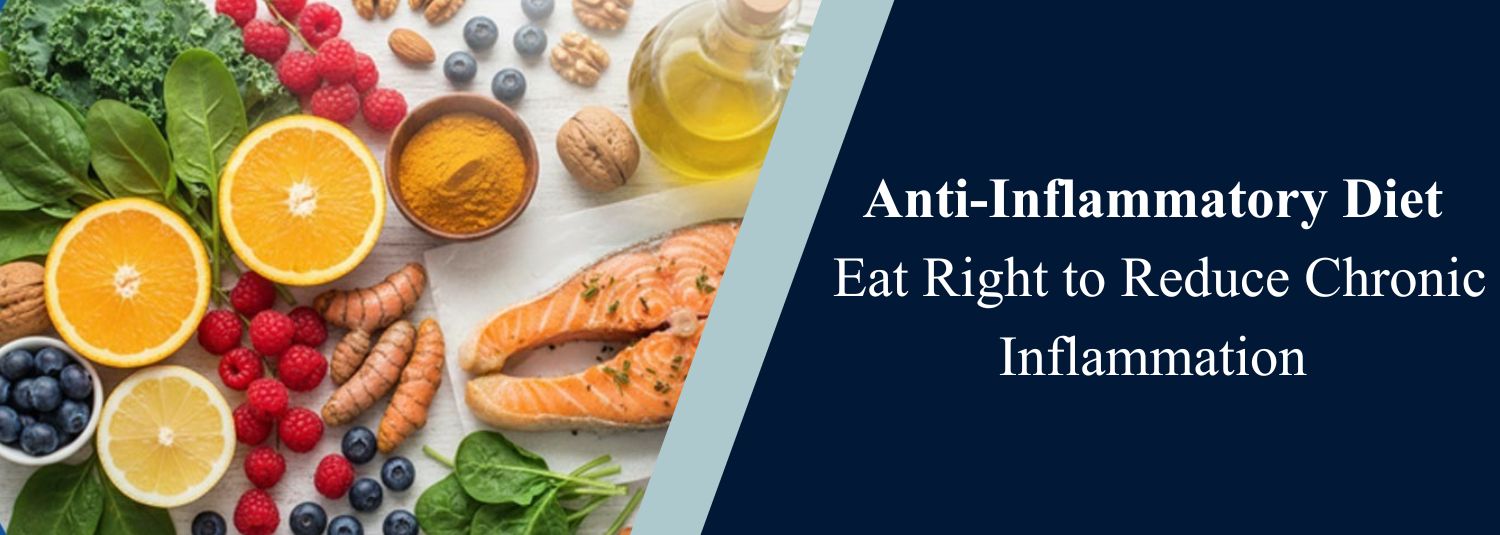
Chronic inflammation is a silent threat that can affect your heart, joints, digestive system, and overall health. While medications can help in some cases, adopting an anti-inflammatory diet is one of the most effective and natural ways to fight inflammation and support long-term wellness.
In this guide, we’ll explain what chronic inflammation is, how an anti-inflammatory diet works, which foods to include, which to avoid, and practical tips to reduce inflammation naturally.
What is Chronic Inflammation?
Inflammation is your body’s natural response to injury or infection. Acute inflammation is temporary and beneficial, helping your body heal. Chronic inflammation, however, is long-lasting and harmful, often caused by:
- Poor diet and high sugar intake
- Sedentary lifestyle
- Stress and lack of sleep
- Environmental toxins
Signs of chronic inflammation can include fatigue, joint pain, digestive issues, skin problems, and weight gain. Over time, chronic inflammation may increase the risk of heart disease, diabetes, obesity, and autoimmune conditions.
How an Anti-Inflammatory Diet Helps
An anti-inflammatory diet focuses on whole, nutrient-rich foods that fight inflammation and limit foods that trigger it. Key benefits include:
- Lowering inflammatory markers in the blood
- Improving heart and brain health
- Reducing joint pain and stiffness
- Supporting weight management and gut health
Key Principles of an Anti-Inflammatory Diet
- Focus on Whole Foods: Prioritize unprocessed, nutrient-dense foods over packaged or fast foods.
- Fiber-Rich Fruits and Vegetables: Help regulate blood sugar and support gut health.
- Healthy Fats: Include omega-3s from fish and plant-based oils.
- Limit Refined Sugars and Trans Fats: Avoid sugary drinks, pastries, and fried foods.
- Balanced Meals: Combine protein, fiber, and healthy fats for stable energy.
Top Anti-Inflammatory Foods
1. Fruits
Fruits are packed with antioxidants and phytonutrients that fight free radicals.
- Examples: Berries, cherries, oranges, apples, pomegranates
- Benefits: Reduce oxidative stress and lower inflammation markers
2. Vegetables
Vegetables provide fiber, vitamins, and minerals that protect cells from inflammation.
- Examples: Spinach, kale, broccoli, Brussels sprouts, carrots
- Tip: Eat a variety of colors to maximize nutrients
3. Fatty Fish and Omega-3s
Omega-3 fatty acids reduce joint pain, inflammation, and heart disease risk.
-
Examples: Salmon, mackerel, sardines, trout
-
Tip: Aim for 2–3 servings per week
4. Nuts and Seeds
Nuts and seeds are rich in healthy fats, protein, and antioxidants.
- Examples: Almonds, walnuts, chia seeds, flaxseeds
- Benefits: Improve cholesterol balance and reduce inflammation
5. Whole Grains
Whole grains support gut health and reduce inflammation thanks to their fiber content.
-
Examples: Oats, quinoa, brown rice, barley
6. Herbs and Spices
Certain herbs and spices contain bioactive compounds that fight inflammation.
- Examples: Turmeric, ginger, garlic, cinnamon
- Tip: Add them to cooking, teas, or smoothies
7. Healthy Oils
Replace saturated fats with heart-healthy oils.
- Examples: Olive oil, avocado oil, flaxseed oil
- Benefits: Reduce inflammatory markers and support heart health
Foods to Avoid
- Processed and fried foods
- Refined sugars and sugary drinks
- Trans fats (packaged baked goods, margarine)
- Excess red and processed meats
Lifestyle Tips to Support an Anti-Inflammatory Diet
- Exercise Regularly: Improves circulation and reduces inflammation
- Manage Stress: Meditation, yoga, and deep breathing
- Stay Hydrated: Water flushes out toxins and supports digestion
- Get Adequate Sleep: Poor sleep increases inflammatory markers
FAQs About Anti-Inflammatory Diets
What is an anti-inflammatory diet?
A diet that emphasizes whole, nutrient-rich foods and limits processed foods, sugar, and unhealthy fats to reduce chronic inflammation.
Can diet really reduce chronic inflammation?
Yes, consuming anti-inflammatory foods regularly lowers markers of inflammation and supports overall health.
Which foods fight inflammation naturally?
Fruits, vegetables, fatty fish, nuts, seeds, whole grains, and herbs like turmeric and ginger.
How does sugar affect inflammation?
High sugar intake triggers insulin spikes and promotes inflammatory pathways in the body.
Are nuts and seeds good for inflammation?
Yes, they contain healthy fats, protein, and antioxidants that help reduce inflammation.
Can fatty fish reduce joint pain?
Yes, omega-3s in fatty fish reduce inflammation in joints and improve mobility.
Is turmeric effective for inflammation?
Yes, curcumin in turmeric has strong anti-inflammatory and antioxidant effects.
Which beverages reduce inflammation?
Green tea, herbal teas with ginger or turmeric, and water help reduce inflammation.
How long does it take to see results on an anti-inflammatory diet?
Many people notice improvements in energy, digestion, and joint comfort within 4–6 weeks.
Can an anti-inflammatory diet help prevent heart disease?
Yes, it lowers risk factors such as high cholesterol, blood pressure, and oxidative stress.
Trusted Sources & Key Facts
- Harvard Health: Anti-inflammatory diets reduce the risk of chronic diseases.
- Mayo Clinic: Omega-3s, fiber, and antioxidants are key to fighting inflammation.
- NIH: Chronic inflammation is linked to heart disease, diabetes, and autoimmune disorders.
Conclusion
Chronic inflammation can silently impact your health, but the right diet and lifestyle choices can make a huge difference. By including fruits, vegetables, fatty fish, nuts, seeds, whole grains, and anti-inflammatory spices, while avoiding processed foods and excess sugar, you can naturally reduce inflammation and support overall wellness.
For personalized guidance, nutrition planning, and diagnostic support, visit Molecular to create a custom anti-inflammatory diet plan tailored to your needs.
In News
Get Our Mobile App
for Easy Access
Book tests, view reports, and manage your health records on the go. Experience convenient healthcare with Molecular Diagnostics and Therapy.
- ✔ Book tests & home collection
- ✔ View reports instantly
- ✔ Track health history
- ✔ Get notifications & reminders
- ✔ Easy appointment management