Asthma: Causes, Symptoms, Types & Tests
Talk to Health Expert

Dr. Nikunj Jain
Co-Founder and HOD - Nuclear Medicine ,MBBS, DRM, DNB, FEBNM, FANMB, Dip. CBNC
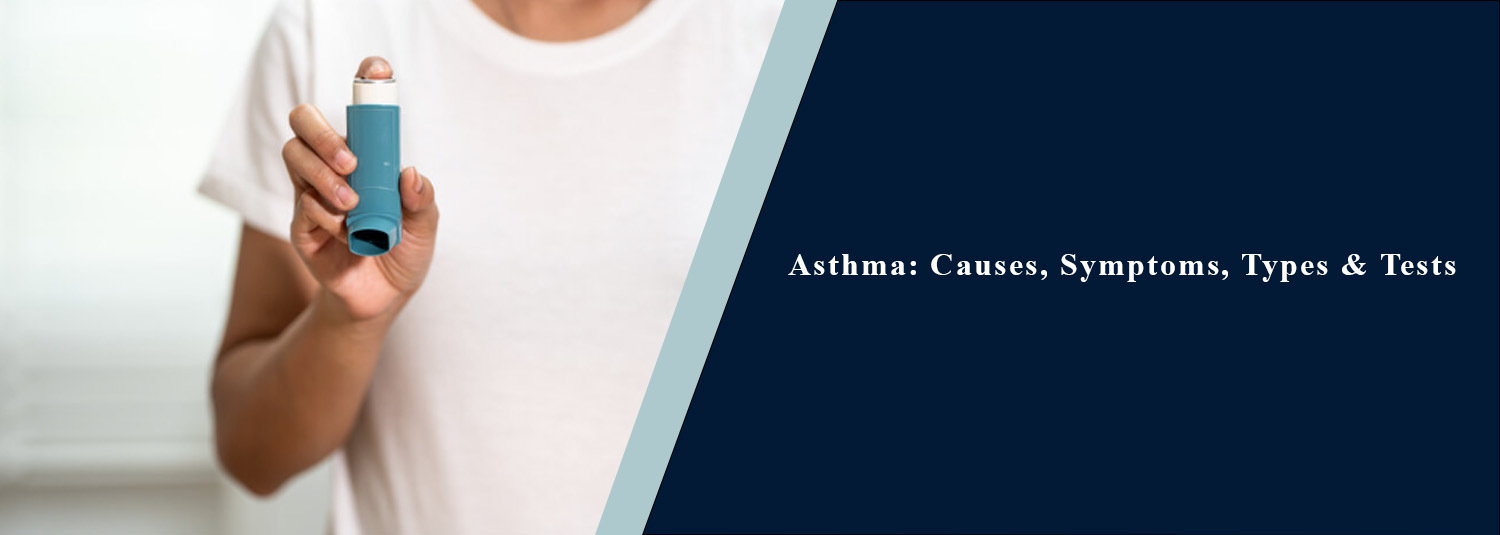
Asthma is a long-term (chronic)
condition affecting the air passages in the lungs (wheezing). Occasionally, the
air passages in people with asthma can become inflamed, swollen, and narrow,
and breathing in and out of the lungs becomes more difficult. It's a symptom
that occurs intermittently and can be worsened by certain triggers such as
allergens, cold weather, exercise, infections, and air pollution.
Asthma can begin at any time during the
year as well as in the early years of life. Asthma has no cure; however, if it
is well controlled and managed, symptoms can be controlled and the likelihood
of having an asthma attack reduced. Understanding what precipitates asthma
attacks, its symptoms, the different types, and the diagnostic tests will help
in early assessment of asthma. Molecular Diagnostics and Therapy provide
multiple diagnostic tests and utilize them for the evaluation of the
respiratory system during a health care practitioner's recommendation.
What Is Asthma?
Airways (breathing passages) are the
site of a longterm disease called asthma. When an asthma sufferer comes into
contact with the trigger, the airways become inflamed and narrowed. Muscles
lining the airways also contract, and too much mucus is made. These changes
cause a person to be hard of breathing. There may be some who experience
symptoms on a regular basis, and some who may see symptoms often. Symptoms can
change daily, or they can be worse during certain times of the year or after
encountering certain triggers.
What Causes Asthma?
It is still unclear what the exact
cause of asthma is. Typically forms as a result of a combination of genetic and
environmental factors. Other exposures in the environment can increase the risk
for asthma, including allergies in the family, respiratory infections, and
asthma. Asthma may also be linked to occupational exposures to chemicals, dust,
fumes, or other irritants. If a person is obese or a little overweight, it
could worsen asthma symptoms or increase the risk for developing asthma.
Knowing the difference between causes and triggers is important. Asthma doesn't
need to occur in response to another trigger, but can be made worse or induced
by a trigger.
Common Asthma
Triggers
There may be different triggers for
asthma in different people. It can be caused by pollen, dust mites, mould, pet
dander, respiratory infections, exercise, emotional stress, cold air, air
pollution and some medicines. However, types of viral infections such as colds
and flu can exacerbate asthma symptoms. Once an individual has been identified,
they and their health professional can develop a plan to manage the patient's
asthma, considering these factors.
Symptoms of Asthma
Asthma symptoms can range from mild to
severe and go in and out. Common signs and symptoms of asthma include a
constricted chest, difficulty breathing, coughing, and wheezing. Coughing can
be more prominent at night or the first thing in the morning. One
characteristic of asthma is that it often does not occur 24 hours a day.
Symptoms become worse when they exercise, are provoked by allergens, cold air,
respiratory infections, and more. Some may also experience a greater amount of
symptoms during night time. If a course of their symptoms becomes more regular,
if they start to impact life or work activities, if they disrupt sleep or cause
them to need reliever doses more frequently than normal, medical advice should
be obtained.
Types of Asthma
There are many ways asthma can be
expressed due to the different triggers, symptoms, age the condition occurs,
and the pattern of occurrence. Symptoms may be quite different in people.
Allergic Asthma
In persons with allergic asthma, contact with allergens like pollen,
dust mites, mold, or pet dander plays a role. Allergic asthma sufferers can
also have other allergies.
Non-Allergic Asthma
For some, the symptoms of asthma do
exist, though they cannot be explained by an allergy. May be associated with
respiratory infections, stress, cold air, exercise, or irritants.
Childhood Asthma
Typically, asthma develops in
childhood. Symptoms can include wheezing, coughing, difficulty breathing, or
worsening symptoms when exercising, getting infections, or when in contact with
things that trigger allergies.
Adult-Onset Asthma
Adults may also develop asthma, and
sometimes people get their asthma when they are adults, but they have no
symptoms as children. Environmental exposures, allergies, occupations, and
other factors may be associated with adult-onset asthma.
Exercise-Induced
Symptoms
Some persons' asthma is worsened by
exercise. With the proper care and medical attention, however, individuals can
usually control their asthma and engage in physical activity.
How Is Asthma
Diagnosed?
Not all asthma cases can be diagnosed
by one particular test. Symptoms and signs, past health history, breathing test
results, and a physical examination are typically taken into account by
doctors. Asthma symptoms are similar to those of other breathing problems, and
testing can be used to assess whether changes in airflow are variable or
reversible, and whether the symptoms are caused by other problems.
Tests for Asthma
Spirometry
One of the primary lung function tests
that is used to assess asthma is called spirometry. It is a test of the volume
of air that a person can exhale and his or her rate of exhalation. Spirometry
can be conducted before and after bronchodilator drug administration. It can
help clarify if the airways become easier to breathe after opening if the
results of both comparisons are compared.
Peak Expiratory Flow
Test
This test assesses how rapidly a person
expels air from the lungs. May be done with a small handheld machine and can
help to keep track of changes in airflow.
Bronchodilator
Responsiveness Test
This test compares breathing measurements before and after the use of a
fast-acting bronchodilator. Improvement in airflow after the medicine can
provide useful information when evaluating asthma.
Bronchial Challenge
Test
When asthma is suspected, but routine breathing tests do not provide a
clear answer, a bronchial challenge or provocation test may sometimes be
recommended. It evaluates how sensitive the airways are to specific challenge
agents or activities such as exercise.
FeNO Test
A fractional exhaled nitric oxide, or FeNO, test measures nitric oxide
in exhaled breath. Higher levels can indicate inflammation in the airways and
may provide additional information when asthma is suspected or when the
diagnosis is uncertain.
Allergy Tests
Allergy testing may be recommended when a patient's asthma appears to be
associated with specific allergens. These tests can help identify substances
such as pollen, dust mites, or pet allergens that may trigger symptoms.
Blood Tests
Blood tests may sometimes be used to look for signs of inflammation or
allergic responses. They can provide additional information but are not usually
sufficient by themselves to diagnose asthma.
Chest Imaging
A chest X-ray or CT scan is not routinely required to diagnose asthma.
However, imaging may sometimes be recommended to investigate other possible
causes of breathing symptoms or when the clinical situation requires additional
evaluation. A chest CT can provide detailed images of the lungs and airways.
Why Are Asthma Tests
Important?
Testing for asthma can aid the doctor's
understanding of how well the lungs are working and whether the airways change
during the test. There are other diseases that can have similar symptoms that
can be differentiated with testing. Lung function testing such as spirometry
can be useful to give objective information that can augment the history and
physical examination findings. Further tests (such as FeNO, allergy tests, or
bronchial challenge test) may be considered in some cases. Molecular
Diagnostics and Therapy offers diagnostics in accordance with the needs of the
patient and the treating health care provider.
When Should You See a
Doctor?
If you have wheezing, coughing,
shortness of breath, or chest tightness on a regular basis (such as more than
once a week), and they affect your ability to get a good night's rest or
participate in day-to-day activities, it may be a good idea to seek medical
evaluation. Any sudden trouble breathing that is severe requires urgent medical
help. Emergencies of severe asthma attacks should not be treated without proper
medical supervision.
Can Asthma Be
Managed?
While there is no cure for asthma, the
condition can be managed by following an asthma action plan and generally
receiving the right treatment. Treatment may include specific medications,
observing the symptoms, finding and staying away from personal triggers, and
regular check-ins with doctors. Anyone who suffers from asthma needs to adhere
to the treatment plan the doctors have devised and not try to reject or modify
the treatment without talking to the doctor first.
Conclusion
Asthma can be a chronic disease of the
airways that causes coughing, difficulty breathing, chest tightness, and
wheezing. It is not well understood what causes it, but there are genetic and
environmental factors which can play a part. Allergens, infections, exercise,
exposure to cold air/air pollution, and other factors may also worsen symptoms.
A diagnosis usually requires a history, physical exam, and lung function tests. Spirometry is an important test to be considered; depending on the symptoms and clinical situation, other tests such as peak flow, bronchodilator responsiveness, bronchial challenge testing, FeNO, allergy testing, etc., may be performed if deemed appropriate. For many people, asthma can be controlled with good management, monitored at regular intervals, and go about their daily lives. Assistance with diagnostic tests for a patient, as recommended by the provider of services, is provided by MolecularDiagnostics and Therapy.
Frequently Asked Questions
In News
Get Our Mobile App
for Easy Access
Book tests, view reports, and manage your health records on the go. Experience convenient healthcare with Molecular Diagnostics and Therapy.
- ✔ Book tests & home collection
- ✔ View reports instantly
- ✔ Track health history
- ✔ Get notifications & reminders
- ✔ Easy appointment management