How to Avoid Hidden Calories in Everyday Foods
Talk to Health Expert

Dr. Nikunj Jain
Co-Founder and HOD - Nuclear Medicine ,MBBS, DRM, DNB, FEBNM, FANMB, Dip. CBNC
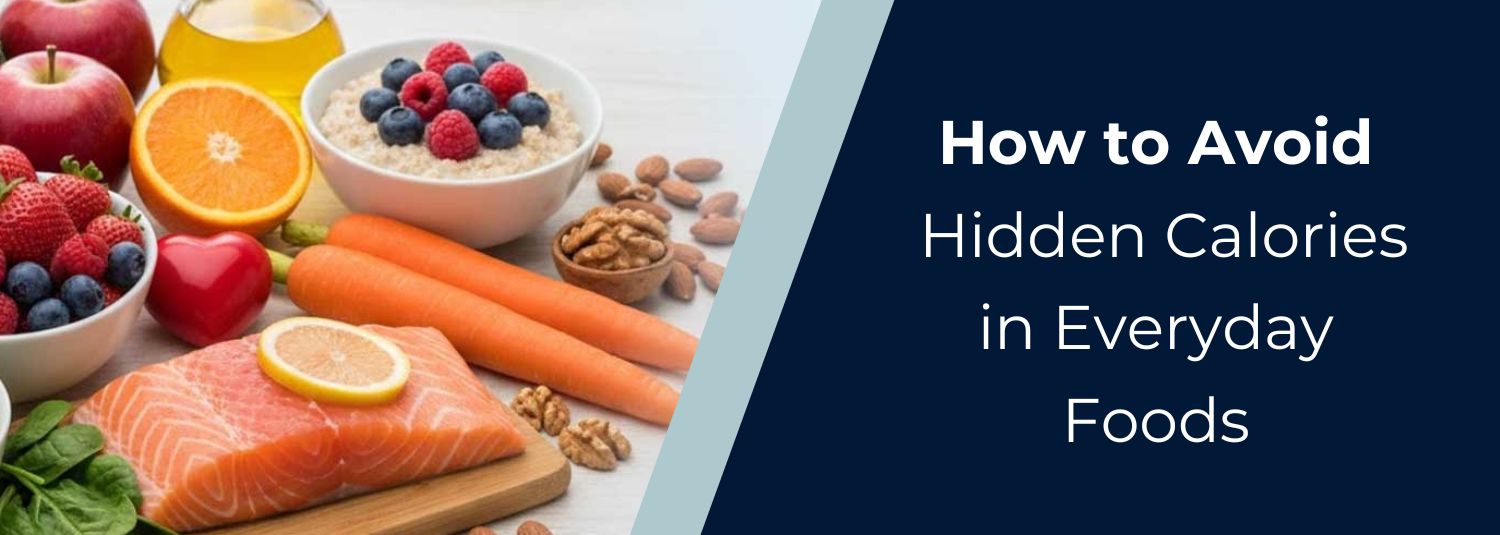
Tracking calories can be frustrating. You may think you’re eating well, yet the scale won’t budge. The reason? hidden calories—extra calories in everyday foods and drinks that sneak into your diet without you realizing it.
Hidden calories can slow weight loss, affect energy levels, and even impact overall health. In this guide, we’ll show you what hidden calories are, where they hide, and practical tips to cut them—all while still enjoying your meals.
What Are Hidden Calories?
Hidden calories are unseen calories in foods and beverages that aren’t obvious at first glance. They often come from:
- Added sugars in drinks and sauces
- Excess fats or oils in cooking
- Condiments like mayonnaise, ketchup, and creamy dressings
- Processed snacks containing sugar or fat
- Packaged or frozen meals loaded with hidden sodium and calories
Even small amounts of these hidden calories can add hundreds of extra calories daily, sabotaging weight loss efforts.
Everyday Foods With Hidden Calories
1. Beverages
Many drinks contain hidden sugars and fats:
- Flavored lattes, cappuccinos, and frappes
- Smoothies with syrups or sweetened yogurt
- Soda and sweetened teas
- Alcoholic drinks, especially cocktails
2. Condiments & Sauces
- Mayonnaise, ranch dressing, and creamy sauces
- Ketchup, barbecue sauce, and sweet marinades
3. Cooking Oils & Butter
- Excess oil while frying or sautéing
- Butter used in baking or as a spread
4. Snacks & Baked Goods
- Muffins, pastries, cookies
- Flavored or salted nuts
- Granola bars with added sugar
5. Processed Foods
- Frozen meals, canned soups, instant noodles
- Packaged ready-to-eat snacks
Tips to Avoid Hidden Calories
1. Read Labels Carefully
Always check serving sizes, sugar content, and fat content. Look for added sugars, saturated fats, and hidden ingredients.
2. Measure Ingredients
Use spoons, cups, or kitchen scales instead of estimating oils, sauces, or dressings. Even small reductions save calories over time.
3. Choose Low-Calorie Alternatives
- Swap creamy dressings for vinegar or yogurt-based options
- Replace soda with sparkling water or infused water
- Use herbs and spices instead of butter or sugar
4. Cook at Home
Cooking at home allows you to control ingredients and portion sizes, ensuring every meal is nutrient-rich and lower in hidden calories.
5. Avoid Sugary Drinks
Sugary drinks are major hidden calorie sources. Opt for:
- Water, sparkling water, or unsweetened teas
- Black coffee instead of lattes with syrup
6. Be Mindful of Snacks
- Pre-portion nuts or trail mix
- Choose whole fruits, raw vegetables, or lightly roasted nuts
7. Limit Processed and Packaged Foods
Processed foods often contain hidden sugar, sodium, and fat. Fresh, whole foods are always better.
8. Track Your Intake
Logging meals in an app or journal can reveal hidden calories and help you make smarter choices.
Hidden Calories & Weight Management
Even small hidden calories can add up quickly. For example:
- 1 tbsp mayonnaise = 90 calories
- 1 flavored latte = 200+ calories
- 1 tsp cooking oil = 40 calories
By reducing hidden calories, you can create a sustainable calorie deficit, which is essential for healthy weight loss.
Foods With Fewer Hidden Calories (Smart Swaps)
| High-Calorie Item | Low-Calorie Alternative |
|---|---|
| Soda | Sparkling water with lemon |
| Creamy salad dressing | Yogurt or vinegar-based dressing |
| Flavored latte | Black coffee or latte with unsweetened milk |
| Muffins & pastries | Whole fruit or homemade oatmeal bars |
| Fried snacks | Roasted or air-fried vegetables/nuts |
FAQs About Hidden Calories
What are hidden calories in food?
Hidden calories are extra calories in foods and drinks that aren’t obvious, such as sugar in drinks or oil in cooking.
How do hidden calories affect weight loss?
They add unnoticed energy to your diet, making it harder to maintain a calorie deficit and slowing weight loss.
Which everyday foods have the most hidden calories?
Sugary drinks, creamy dressings, cooking oils, baked goods, and processed snacks are common culprits.
How can I avoid hidden sugar and fat in meals?
Read labels, measure ingredients, cook at home, and use low-calorie alternatives.
Are condiments a big source of hidden calories?
Yes, mayonnaise, ranch dressing, ketchup, and sauces can add significant calories without you noticing.
Can drinking coffee or smoothies add hidden calories?
Absolutely. Lattes, flavored coffee drinks, and smoothies with syrups or yogurt often contain hundreds of calories.
How can I reduce hidden calories when eating out?
Ask for sauces on the side, choose grilled options over fried, and watch portion sizes.
Do processed foods have hidden calories?
Yes, many frozen or pre-packaged foods contain added sugar, fat, and sodium.
How can tracking help avoid hidden calories?
Logging meals shows where extra calories are hiding, helping you make informed choices.
What’s a healthy alternative to high-calorie snacks?
Fruits, raw vegetables, lightly roasted nuts, or low-fat yogurt are great options.
Trusted Sources & Key Facts
- WHO: Hidden sugars and fats are major contributors to excess calorie intake.
- Harvard Health: Reading labels and choosing whole foods helps prevent unintentional weight gain.
- Mayo Clinic: Cooking at home and using low-calorie substitutes reduces hidden calorie consumption.
Conclusion
Hidden calories can quietly sabotage your weight loss and affect your health. By reading labels, measuring ingredients, cooking at home, choosing low-calorie alternatives, and tracking your intake, you can take control of your diet without sacrificing taste.
For personalized guidance, nutrition planning, and diagnostic testing, consult Molecular to identify hidden calorie sources and optimize your diet.
Remember, small consistent changes today lead to long-term success tomorrow.
In News
Get Our Mobile App
for Easy Access
Book tests, view reports, and manage your health records on the go. Experience convenient healthcare with Molecular Diagnostics and Therapy.
- ✔ Book tests & home collection
- ✔ View reports instantly
- ✔ Track health history
- ✔ Get notifications & reminders
- ✔ Easy appointment management