Best Diet for a Healthy Liver: What Science Recommends
Talk to Health Expert

Dr. Nikunj Jain
Co-Founder and HOD - Nuclear Medicine ,MBBS, DRM, DNB, FEBNM, FANMB, Dip. CBNC
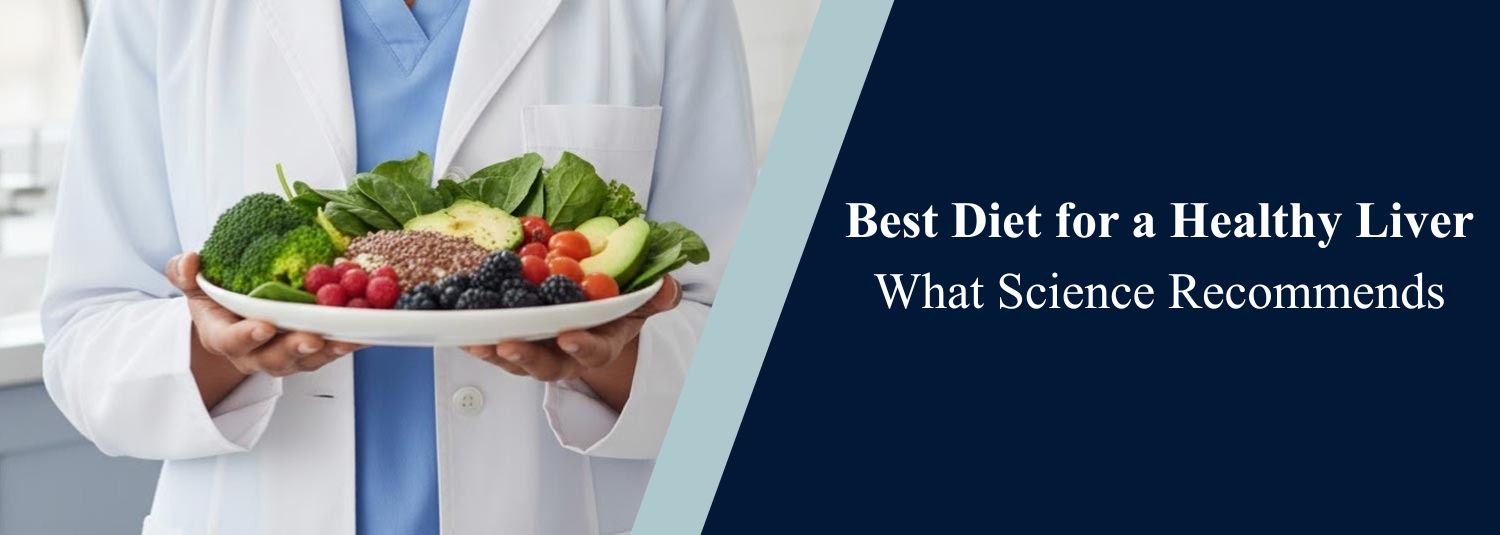
Your liver is a silent multitasker — it works 24/7 to filter toxins, digest fats, store energy, and regulate hormones. Yet, most of us only think about it when something goes wrong.
From late-night takeout meals to weekend drinks, your liver takes the hit. Over time, poor diet and lifestyle can lead to fatty liver, inflammation, or even liver disease.
The good news?
You can protect and even heal your liver naturally through the right foods. In this blog, we’ll explore the science-backed diet for a healthy liver, foods to eat and avoid, and practical daily tips to keep your liver strong and happy.
What Does the Liver Actually Do?
Before we dive into nutrition, let’s quickly understand the liver’s key functions.
Your liver:
- Filters toxins from blood (alcohol, drugs, and chemicals).
- Produces bile to digest fats.
- Stores energy in the form of glycogen.
- Regulates metabolism and hormones.
- Breaks down old red blood cells and supports immunity.
When the liver gets overloaded — due to poor diet, obesity, or excessive alcohol — fat starts building up inside it. This condition, known as fatty liver (NAFLD), is one of the most common liver issues today.
Foods That Support Liver Health
Let’s look at what science says about liver-friendly foods that can help detoxify, regenerate, and protect your liver.
-
Leafy Green Vegetables
Spinach, kale, and lettuce are loaded with chlorophyll — a compound that helps neutralize toxins and protect liver cells.
Tip: Add a bowl of greens or a green smoothie to your daily meals. -
Citrus Fruits
Lemons, oranges, and grapefruits are rich in vitamin C and antioxidants. They help your liver produce more detox enzymes.
Tip: Start your day with warm lemon water to stimulate liver function. -
Berries
Blueberries, strawberries, and cranberries contain polyphenols that reduce inflammation and prevent fat buildup in the liver.
Research: Studies show regular berry consumption can improve fatty liver markers. -
Coffee (in moderation)
Surprising but true — coffee is one of the best drinks for your liver!
It lowers the risk of fatty liver, fibrosis, and even liver cancer by reducing inflammation and oxidative stress.
Tip: 2–3 cups a day (without sugar or cream) are considered beneficial. -
Cruciferous Vegetables
Broccoli, cabbage, and cauliflower increase natural detox enzymes in the liver.
They also help in reducing fat buildup and improving overall metabolism. -
Healthy Fats: Olive Oil and Nuts
Olive oil improves liver enzyme levels and fat metabolism.
Nuts like almonds and walnuts are packed with omega-3 fatty acids and antioxidants.
Tip: Use cold-pressed olive oil for salads and cooking. -
Fatty Fish
Salmon, sardines, and mackerel are rich in omega-3s, which reduce liver inflammation and improve cholesterol levels. -
Whole Grains
Oats, brown rice, and quinoa help stabilize blood sugar — an important factor since insulin resistance is linked to fatty liver disease. -
Garlic
Garlic helps activate liver enzymes that flush out toxins and may help reduce body fat, which is beneficial for liver function. -
Apples
Rich in pectin and fiber, apples help remove toxins from the digestive tract, easing the liver’s workload.
Foods to Avoid for Liver Health
Now that we know the good guys, let’s identify what can harm your liver.
-
Processed and Fried Foods
These are loaded with trans fats, which promote fat buildup and inflammation in the liver. -
Sugary Drinks and Refined Carbs
Too much sugar and refined carbs (like pastries and sodas) can cause insulin resistance and fatty liver. -
Excessive Salt
High sodium intake leads to fluid retention and can strain liver function. -
Alcohol
Even small amounts can damage liver cells over time. If you drink, moderation is key — and if you have any liver condition, it’s best to avoid it altogether. -
Red and Processed Meats
These are harder to digest and increase ammonia buildup — not ideal for liver detoxification.
Sample Liver-Healthy Daily Diet Plan
Here’s a simple, balanced plan you can follow:
| Meal | Liver-Friendly Options |
|---|---|
| Morning | Warm lemon water + oatmeal with berries |
| Breakfast | Spinach omelet or vegetable smoothie |
| Lunch | Brown rice with broccoli, lentils, and grilled fish |
| Evening Snack | Handful of nuts or a fruit (apple/orange) |
| Dinner | Vegetable soup, quinoa salad, or steamed veggies |
| Hydration | Water, green tea, and herbal infusions (avoid sugary juices) |
Lifestyle Habits That Protect Your Liver
A healthy diet is just one part of the equation — your daily habits also make a big difference.
- Maintain a healthy weight
- Stay hydrated throughout the day
- Exercise for 30 minutes daily
- Limit alcohol and processed foods
- Get regular liver function tests (LFT)
- Avoid unnecessary medications or supplements
When to Get a Liver Function Test (LFT)
You should consider a Liver Function Test if you experience:
- Fatigue or unexplained weakness
- Yellowing of eyes or skin (jaundice)
- Dark urine or pale stool
- Abdominal pain or bloating
- Nausea or poor appetite
Book your Liver Function Test (LFT) at Molecular to track your liver health and detect early signs of liver disease.
Science-Backed Insights on Liver Health
- World Health Organization (WHO): Non-alcoholic fatty liver disease (NAFLD) affects nearly 25% of the global population.
- Harvard Health: Regular intake of coffee and vegetables can significantly lower liver disease risk.
- American Liver Foundation: Diet and exercise are key in reversing fatty liver at early stages.
FAQs (Voice Search Optimized)
What is the best food for liver repair?
Leafy greens, garlic, and coffee help repair and protect the liver.
How can I detox my liver naturally?
Eat clean, avoid alcohol, stay hydrated, and consume antioxidant-rich foods like berries and citrus fruits.
Can fatty liver be reversed with diet?
Yes, with a balanced diet, exercise, and weight control, early-stage fatty liver can be reversed.
Is coffee good or bad for the liver?
Moderate coffee consumption (2–3 cups daily) supports liver health.
What drinks cleanse the liver?
Lemon water, green tea, and herbal infusions help detox naturally.
What are early signs of liver problems?
Fatigue, yellowing skin, and abdominal pain are common symptoms.
Should I avoid all fats for liver health?
No, healthy fats like olive oil and nuts are beneficial.
How often should I get a liver test done?
Once a year for healthy adults; more often if you have risk factors.
Can vitamin supplements help liver function?
Vitamin E, C, and omega-3 may help, but always consult your doctor first.
What’s the best diet for fatty liver recovery?
A Mediterranean-style diet with vegetables, whole grains, and lean proteins is ideal.
Key Takeaways
- A balanced, nutrient-rich diet can prevent and reverse early liver damage.
- Avoid processed foods, sugar, and alcohol for long-term liver protection.
- Include fiber, antioxidants, and omega-3-rich foods daily.
- Combine good nutrition with regular testing and exercise for complete liver wellness.
Conclusion
Your liver works hard every day — it deserves your care in return.
By making small, mindful dietary changes and choosing real, wholesome foods, you can restore and protect your liver health naturally.
If you haven’t checked your liver profile recently, this is the right time.
Book a Liver Function Test (LFT) at Molecular and take control of your health today!
In News
Get Our Mobile App
for Easy Access
Book tests, view reports, and manage your health records on the go. Experience convenient healthcare with Molecular Diagnostics and Therapy.
- ✔ Book tests & home collection
- ✔ View reports instantly
- ✔ Track health history
- ✔ Get notifications & reminders
- ✔ Easy appointment management