Chia Seeds: Nutrition, Health Benefits, and Easy Ways to Add Them to Your Diet
Talk to Health Expert

Dr. Nikunj Jain
Co-Founder and HOD - Nuclear Medicine ,MBBS, DRM, DNB, FEBNM, FANMB, Dip. CBNC
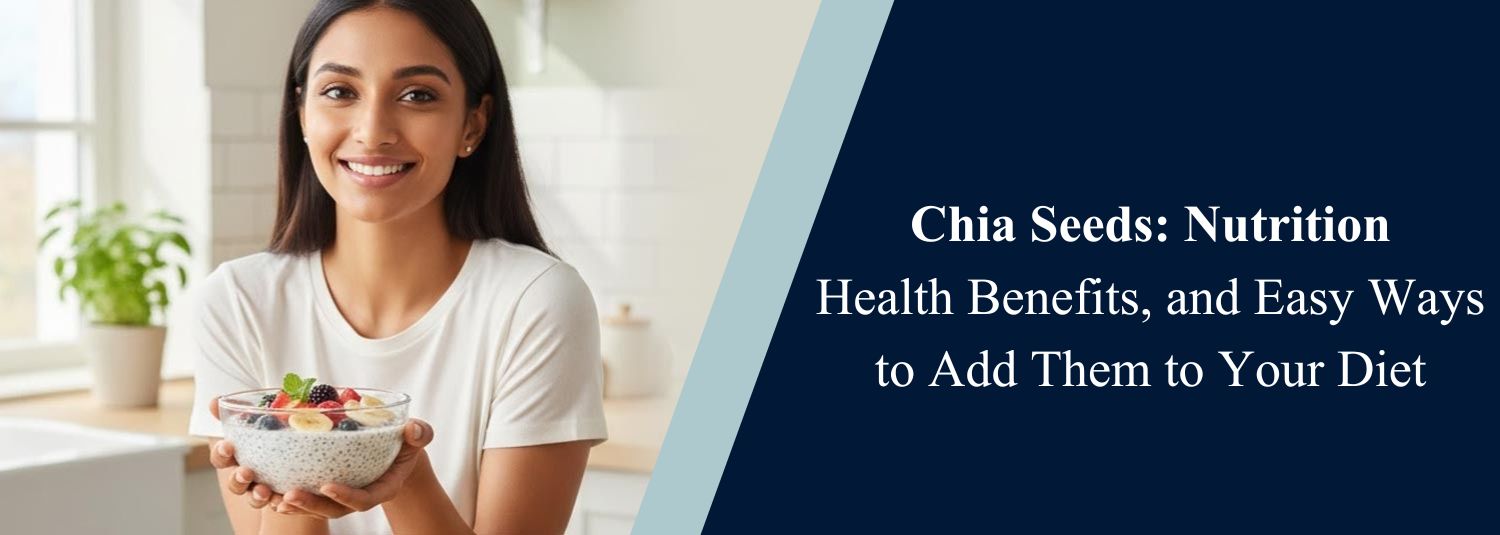
If you’re looking for one simple superfood to boost your overall health, chia seeds deserve a spot in your kitchen.
These tiny black or white seeds — once a staple in ancient Aztec and Mayan diets — are now making a comeback worldwide. Packed with fiber, omega-3 fatty acids, protein, and antioxidants, chia seeds support weight loss, heart health, and digestive balance.
In this complete guide, we’ll explore the nutrition facts, science-backed health benefits, and easy ways to add chia seeds to your daily meals.
What Are Chia Seeds?
Chia seeds come from the plant Salvia hispanica, a member of the mint family native to Central and South America.
They may look small, but they’re nutritional powerhouses — often called a “functional food” or “superfood” due to their dense nutrient profile.
When soaked in liquid, chia seeds form a gel-like texture, making them perfect for puddings, smoothies, or even natural thickeners in recipes.
Nutritional Profile of Chia Seeds
Just two tablespoons (about 28 grams) of chia seeds contain:
| Nutrient | Amount |
|---|---|
| Calories | ~137 kcal |
| Protein | 4.4 g |
| Fat | 8.6 g (mostly omega-3s) |
| Carbohydrates | 12 g |
| Fiber | 10–11 g |
| Calcium | 177 mg |
| Iron | 1 mg |
| Magnesium | 95 mg |
| Phosphorus | 244 mg |
| Omega-3 (ALA) | 5,055 mg |
They are gluten-free, low-carb, and rich in antioxidants — making them suitable for almost all diets, including vegan and keto.
Top 10 Health Benefits of Chia Seeds
- Supports Heart Health
Chia seeds are one of the richest plant sources of omega-3 fatty acids (ALA), which help lower cholesterol, reduce blood pressure, and decrease inflammation — all important for a healthy heart. - Helps in Weight Management
The high fiber and protein content promote fullness and curb appetite. When soaked, chia seeds expand up to 10 times their weight, helping you feel full for longer and avoid overeating. - Improves Digestion
Chia’s soluble fiber supports healthy bowel movements and gut bacteria, reducing constipation and improving digestion naturally. - Balances Blood Sugar
Fiber slows down glucose absorption, helping regulate blood sugar spikes — especially beneficial for people with diabetes or insulin resistance. - Strengthens Bones
Just two tablespoons of chia seeds provide 18% of your daily calcium, along with phosphorus and magnesium — essential minerals for strong bones and teeth. - Boosts Brain Function
Omega-3 fatty acids in chia support cognitive function, memory, and focus, while antioxidants protect brain cells from oxidative stress. - Reduces Inflammation
Chronic inflammation contributes to diseases like arthritis and heart disease. Chia’s antioxidants and omega-3s help fight this inflammation effectively. - Promotes Healthy Skin and Hair
Chia’s antioxidants and protein help rebuild tissue and promote collagen production, keeping skin supple and hair strong. - Provides Long-Lasting Energy
Chia seeds were historically used by Aztec warriors for endurance. Their balanced mix of carbs, protein, and fats gives a steady energy release without crashes. - Supports Detoxification
Chia’s gel-forming fiber binds to toxins in the gut, aiding in natural detox and promoting regular elimination.
How to Eat Chia Seeds (The Right Way)
Chia seeds are versatile and easy to incorporate into your meals. However, they absorb liquid quickly — so it’s best to soak them before eating to avoid digestive discomfort.
Recommended Daily Amount
2–3 tablespoons (20–30 g) per day are sufficient for most adults.
Best Ways to Eat Chia Seeds
- Chia Water:
- Soak 1 tablespoon chia seeds in 1 glass of water for 15–20 minutes. Add lemon juice or honey for flavor.
- → Great morning detox drink.
- Chia Pudding:
- Mix 3 tablespoons chia seeds with 1 cup milk (dairy or almond). Let it sit overnight. Add fruits and nuts before serving.
- Smoothies:
- Blend soaked chia into fruit or green smoothies for extra fiber and thickness.
- Sprinkle on Foods:
- Add to yogurt, oatmeal, salads, or cereal for a crunchy boost.
- Baking Substitute:
- Use chia gel as an egg replacer (1 tbsp chia + 3 tbsp water = 1 egg) in vegan recipes.
- Energy Drinks or Detox Water:
- Mix chia seeds into fruit-infused or coconut water for a refreshing, hydrating beverage.
Precautions and Side Effects
Chia seeds are safe for most people, but moderation is key.
- Digestive issues: Eating too many dry seeds without water may cause bloating or constipation.
- Blood-thinning: Due to high omega-3s, people on blood-thinning medications should consult a doctor.
- Allergic reactions: Rare, but possible in people allergic to mint family plants.
Always soak chia seeds in water before consuming and start with 1 tablespoon per day if you’re new to them.
Scientific Backing
- A 2015 study in the Journal of Food Science and Technology found chia seeds improved blood sugar and cholesterol in type 2 diabetes patients.
- Harvard T.H. Chan School of Public Health lists chia as a functional food that promotes cardiovascular and digestive health.
- National Institutes of Health (NIH) research supports chia’s benefits for inflammation reduction and lipid metabolism.
FAQs About Chia Seeds
When should I eat chia seeds — morning or night?
You can eat them anytime. Morning chia water boosts energy; nighttime pudding aids digestion and satiety.
How long should I soak chia seeds?
Soak for at least 15–20 minutes in water or milk to let them expand properly.
Can chia seeds help in weight loss?
Yes. Their high fiber and protein content reduce appetite and calorie intake.
Can I eat chia seeds raw?
Yes, but it’s safer to soak them first to prevent choking and aid digestion.
Do chia seeds have side effects?
In excess, they can cause bloating or interact with certain medications. Always consume in moderation.
Are chia seeds good for diabetics?
Absolutely. They stabilize blood sugar and improve insulin sensitivity.
Can pregnant women eat chia seeds?
Yes, they’re a rich source of omega-3s and iron, but consult your doctor for personalized advice.
How to store chia seeds?
Keep in an airtight container in a cool, dry place. They stay fresh for up to 2 years.
Final Thoughts
Chia seeds are one of the simplest and most effective superfoods you can add to your diet.
They offer a perfect balance of fiber, protein, omega-3s, and antioxidants — all of which support energy, digestion, and heart health.
By making them a regular part of your meals, you’ll not only nourish your body but also take an easy, natural step toward better long-term health.
In News
Get Our Mobile App
for Easy Access
Book tests, view reports, and manage your health records on the go. Experience convenient healthcare with Molecular Diagnostics and Therapy.
- ✔ Book tests & home collection
- ✔ View reports instantly
- ✔ Track health history
- ✔ Get notifications & reminders
- ✔ Easy appointment management