Fatty Liver: Causes, Symptoms, Diagnosis, and Effective Treatment Options
Talk to Health Expert

Dr. Nikunj Jain
Co-Founder and HOD - Nuclear Medicine ,MBBS, DRM, DNB, FEBNM, FANMB, Dip. CBNC
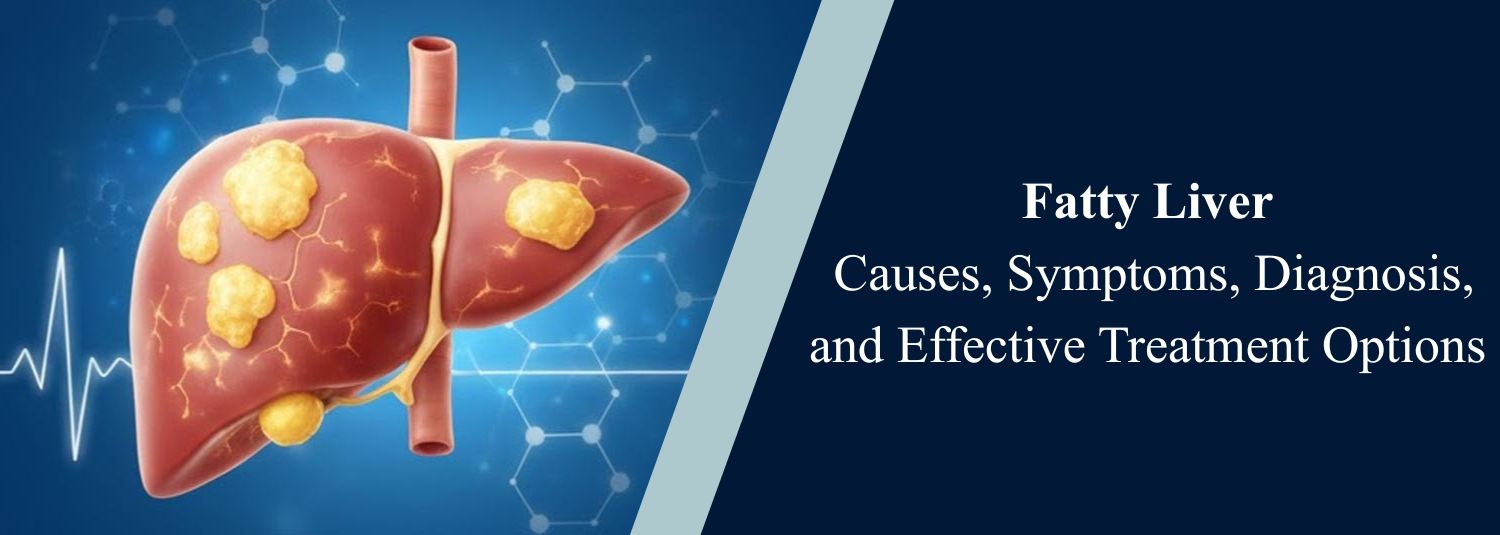
Your liver works silently every day — filtering toxins, aiding digestion, and storing energy.
But sometimes, fat starts to build up inside this vital organ. If left unchecked, it can lead to a condition known as fatty liver disease.
This problem is becoming increasingly common worldwide, affecting both adults and even younger people due to changes in diet and lifestyle.
Let’s understand what fatty liver is, its symptoms, causes, and how it can be managed or even reversed with proper care.
What Is Fatty Liver?
Fatty liver, or hepatic steatosis, occurs when there’s too much fat accumulation in the liver cells.
A small amount of fat is normal — but when fat makes up more than 5–10% of your liver’s weight, it’s considered fatty liver disease.
There are two main types:
- Non-Alcoholic Fatty Liver Disease (NAFLD):
Occurs in people who drink little to no alcohol. It’s mainly linked to obesity, insulin resistance, or poor diet. - Alcoholic Fatty Liver Disease (AFLD):
Caused by excessive alcohol consumption, which damages liver cells and leads to fat buildup.
If untreated, both forms can progress to more serious stages of liver damage.
Stages of Fatty Liver Disease
Fatty liver develops gradually and may worsen over time if ignored. It typically progresses through four stages:
- Simple Fatty Liver (Steatosis):
- Fat builds up in the liver but causes little or no damage.
- Reversible with diet and lifestyle changes.
- Non-Alcoholic Steatohepatitis (NASH):
- Inflammation begins as fat damages liver cells.
- This stage can lead to scarring.
- Fibrosis:
- Persistent inflammation causes scar tissue to form in the liver.
- The liver still functions but becomes stiffer.
- Cirrhosis:
- Severe scarring and permanent liver damage occur.
- This can lead to liver failure or even liver cancer.
Early diagnosis is critical because fatty liver is reversible in its early stages.
Common Causes of Fatty Liver
Fatty liver isn’t caused by one factor alone — it’s often linked to lifestyle and metabolic issues.
Major causes include:
- Overweight or obesity (especially belly fat)
- High sugar or refined carbohydrate intake
- Insulin resistance or type 2 diabetes
- High cholesterol or triglyceride levels
- Heavy alcohol consumption
- Sedentary lifestyle (lack of physical activity)
- Rapid weight loss or malnutrition
- Certain medications (like steroids, tamoxifen, or methotrexate)
Even people with a healthy weight can develop fatty liver — a condition called lean NAFLD, often related to poor diet and genetics.
Symptoms of Fatty Liver
In most cases, fatty liver shows no obvious symptoms, especially in the early stages.
However, as the condition progresses, some people may experience:
- Constant fatigue or tiredness
- Mild abdominal discomfort (especially upper right side)
- Loss of appetite
- Nausea
- Unexplained weight loss
- Swelling in legs or abdomen (in advanced stages)
- Yellowing of skin or eyes (jaundice) — sign of serious liver damage
Because symptoms are often silent, routine liver function tests (LFTs) play a vital role in early detection.
How Fatty Liver Is Diagnosed
Your doctor may suspect fatty liver if your blood tests show elevated liver enzymes (SGPT/ALT, SGOT/AST) or if you have risk factors like obesity or diabetes.
Here’s how it’s confirmed:
- Liver Function Test (LFT):
- Measures liver enzymes. High ALT and AST indicate liver inflammation.
- Ultrasound Abdomen:
- The most common test to detect fat accumulation.
- FibroScan (Transient Elastography):
- Measures liver stiffness to assess fibrosis or scarring.
- CT Scan / MRI:
- Provides detailed imaging if needed.
- Liver Biopsy:
- Recommended only in severe cases to confirm NASH or cirrhosis.
At Molecular Diagnostics, our advanced imaging and blood test panels help detect liver health issues at the earliest stage.
How to Treat Fatty Liver
The good news is — fatty liver is reversible, especially in the early stages.
The main focus of treatment is reducing liver fat and addressing the underlying cause.
- Lifestyle Changes
- Maintain a healthy weight — aim to lose 7–10% of body weight gradually.
- Eat a balanced diet rich in fruits, vegetables, lean proteins, and whole grains.
- Limit refined carbs, sugars, and fried foods.
- Exercise regularly — at least 30 minutes of brisk walking or light workout daily.
- Avoid Alcohol
- Completely stop alcohol consumption if you have fatty liver.
- Even small amounts can accelerate liver damage.
- Control Medical Conditions
- Keep blood sugar, cholesterol, and blood pressure under control.
- Take prescribed medications consistently.
- Medication & Supplements
- Currently, there’s no specific drug for fatty liver, but some supplements may help under medical advice:
- Vitamin E (antioxidant)
- Omega-3 fatty acids
- Metformin (for diabetic patients)
Always consult your doctor before taking any supplements or medications.
Best Diet for Fatty Liver
A liver-friendly diet can go a long way in reversing fatty liver.
Recommended foods:
- Green leafy vegetables (spinach, kale)
- Whole grains (oats, brown rice)
- Lean proteins (chicken, fish, tofu)
- Healthy fats (olive oil, nuts, seeds)
- Fruits rich in antioxidants (berries, apples, citrus)
Avoid:
- Sugary drinks (soda, fruit juices)
- White bread, pasta, sweets
- Processed meats
- Alcohol
- Trans fats
Prevention Tips for Fatty Liver
- Maintain a healthy body weight
- Exercise regularly
- Eat a balanced diet
- Avoid excess alcohol
- Get regular LFT and ultrasound checkups
- Manage diabetes and cholesterol
Remember — your liver can heal itself, but only if you give it the right support.
Key Facts & Trusted Sources
- WHO: Non-alcoholic fatty liver disease affects nearly 30% of adults worldwide.
- American Liver Foundation: Fatty liver is the most common cause of chronic liver disease.
- National Institute of Health (NIH): Losing just 10% body weight can reverse early fatty liver.
FAQs About Fatty Liver
What causes fatty liver?
It’s mainly caused by obesity, diabetes, high cholesterol, or alcohol use.
Can fatty liver be cured?
Yes, early-stage fatty liver can be reversed with diet and lifestyle changes.
What are the symptoms of fatty liver?
Most people have no symptoms, but fatigue and mild abdominal discomfort are common.
How is fatty liver diagnosed?
Through liver function tests, ultrasound, or FibroScan.
What foods are good for fatty liver?
Fruits, vegetables, whole grains, fish, and olive oil.
What foods should I avoid?
Sugary drinks, processed foods, alcohol, and refined carbs.
Is fatty liver dangerous?
If untreated, it can progress to cirrhosis or liver failure.
Can thin people get fatty liver?
Yes, lean fatty liver can occur due to genetics or poor diet.
How long does it take to reverse fatty liver?
With consistent lifestyle changes, improvement can be seen in 3–6 months.
How often should I test my liver?
Once every 6–12 months if you’re at risk or have elevated liver enzymes.
Final Thoughts
Fatty liver may sound worrying, but it’s often reversible with timely action.
Through early diagnosis, healthy eating, and regular exercise, you can restore your liver to full strength.
If you’re experiencing symptoms or at risk due to lifestyle factors, get your Liver Function Test (LFT) done at Molecular Diagnostics — because early detection saves lives.
In News
Get Our Mobile App
for Easy Access
Book tests, view reports, and manage your health records on the go. Experience convenient healthcare with Molecular Diagnostics and Therapy.
- ✔ Book tests & home collection
- ✔ View reports instantly
- ✔ Track health history
- ✔ Get notifications & reminders
- ✔ Easy appointment management