Liver Health: Early Signs of Fatty Liver and How to Reverse It
Talk to Health Expert

Dr. Nikunj Jain
Co-Founder and HOD - Nuclear Medicine ,MBBS, DRM, DNB, FEBNM, FANMB, Dip. CBNC
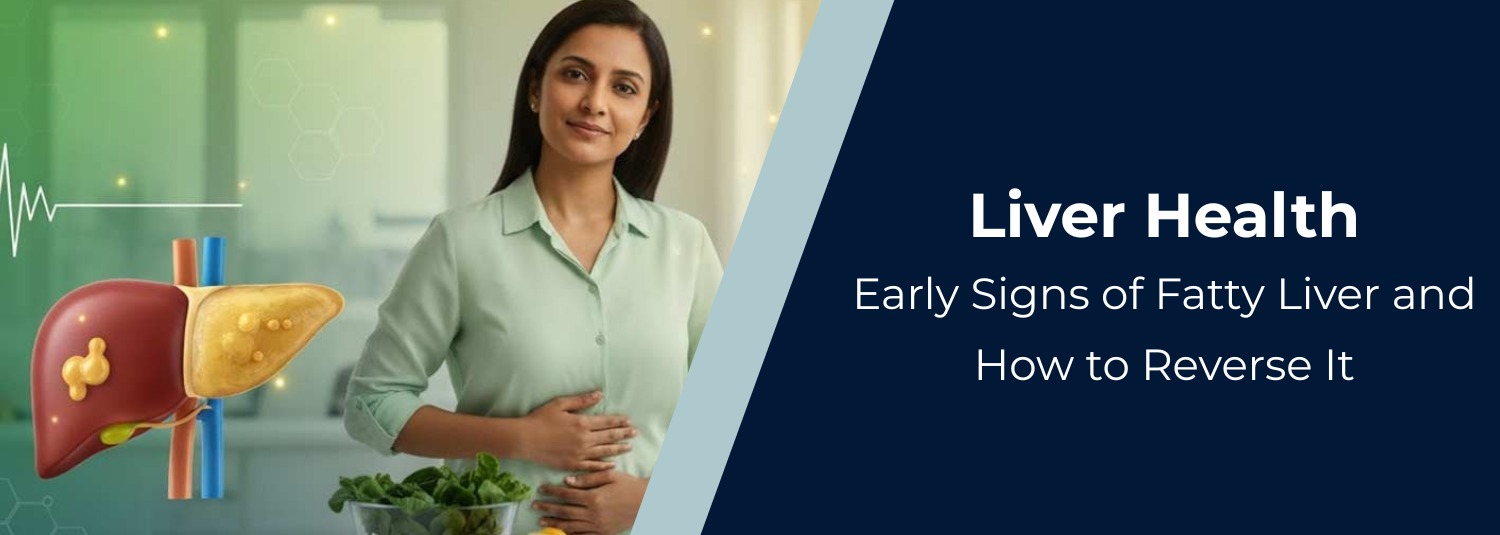
Your liver quietly performs more than 500 vital functions every day — from breaking down toxins and producing bile to processing nutrients and storing energy.
But when fat starts accumulating inside liver cells, it can slowly damage this crucial organ — leading to a condition called fatty liver disease (hepatic steatosis).
The scary part? Most people don’t even know they have it — until it’s advanced. The good news? Fatty liver can often be reversed with the right lifestyle changes and medical guidance.
Let’s explore the early warning signs, causes, and proven ways to restore liver health.
What Is Fatty Liver Disease?
Fatty liver occurs when more than 5–10% of your liver’s weight is fat.
There are two main types:
- Non-Alcoholic Fatty Liver Disease (NAFLD):
- Not related to alcohol use.
- Common in people with obesity, diabetes, or high cholesterol.
- The most prevalent liver condition globally.
- Alcoholic Fatty Liver Disease (AFLD):
- Caused by heavy alcohol consumption.
- Long-term drinking damages liver cells, leading to inflammation and scarring.
If left untreated, fatty liver can progress to non-alcoholic steatohepatitis (NASH), fibrosis, or even cirrhosis — serious, sometimes irreversible conditions.
Early Signs and Symptoms of Fatty Liver
Fatty liver often shows no symptoms in early stages, which is why it’s sometimes called a “silent disease.”
However, there are subtle signs your body may give:
- Constant fatigue and weakness
- Unexplained weight gain, especially around the abdomen
- Mild pain or discomfort in the upper right side of the abdomen
- Loss of appetite
- Bloating or indigestion
- Mild yellowing of eyes or skin (jaundice)
- Confusion or brain fog in advanced cases
If you’ve been feeling “off” lately and your energy levels are low, it might be time for a Liver Function Test (LFT) to check your enzyme levels.
Common Causes and Risk Factors
Several factors can contribute to fat accumulation in the liver:
| Cause | Description |
|---|---|
| Obesity | Excess fat storage increases liver burden. |
| High sugar & carb intake | Processed foods, sugary drinks raise triglycerides. |
| Insulin resistance & diabetes | Leads to fat buildup in liver cells. |
| High cholesterol or triglycerides | Common in metabolic syndrome. |
| Sedentary lifestyle | Lack of activity reduces fat metabolism. |
| Rapid weight loss | Sudden diet changes can stress the liver. |
| Alcohol consumption | Damages liver cells and promotes fat storage. |
| Certain medications | Steroids, tamoxifen, or antivirals may affect liver fat. |
Did you know? According to WHO, more than 25% of adults worldwide suffer from non-alcoholic fatty liver disease — often without realizing it.
How Is Fatty Liver Diagnosed?
Fatty liver can’t always be detected through physical symptoms — diagnostic testing is essential.
Common Tests Include:
-
Liver Function Test (LFT):
Measures liver enzymes like ALT, AST, and bilirubin.
Elevated ALT or AST may signal liver inflammation. -
Ultrasound / FibroScan:
Non-invasive imaging test that detects fat accumulation. -
Lipid Profile Test:
Checks triglycerides and cholesterol, both key contributors. -
Blood Glucose / HbA1c Test:
Evaluates blood sugar control and insulin resistance. -
Liver Biopsy (for advanced cases):
Confirms the presence and stage of fatty liver or fibrosis.
For accurate liver testing and screening, you can visit trusted diagnostic centers like Molecular Diagnostics, which offer comprehensive LFT and metabolic health panels.
How to Reverse Fatty Liver Naturally
Here’s the best news: In most cases, fatty liver can be reversed.
With simple yet consistent changes, you can restore liver health within months.
1. Maintain a Healthy Weight
- Aim for gradual weight loss — 0.5 to 1 kg per week.
- Rapid loss can worsen liver inflammation.
2. Follow a Liver-Friendly Diet
Focus on:
- Fresh fruits and vegetables (antioxidants).
- Whole grains and legumes.
- Lean proteins (fish, eggs, tofu, chicken).
- Healthy fats like olive oil, nuts, and seeds.
Avoid:
- Fried and processed foods.
- Sugary drinks and desserts.
- Refined carbs like white bread or pasta.
- Alcohol.
The Mediterranean diet is highly effective for managing fatty liver.
3. Exercise Regularly
- 30–45 minutes of brisk walking, cycling, or swimming daily.
- Resistance training twice a week improves insulin sensitivity.
4. Stay Hydrated
- Aim for at least 2–3 liters of water daily.
- Avoid sugary or carbonated drinks.
5. Monitor Blood Tests Regularly
Routine health checkups help track progress.
Tests to monitor:
- Liver enzymes (ALT, AST)
- Lipid profile
- Blood sugar levels
6. Consult Your Doctor for Supplements
Some supplements may support liver repair, such as:
- Vitamin E (antioxidant)
- Omega-3 fatty acids (reduce fat buildup)
- Milk thistle (Silymarin)
- Curcumin (Turmeric extract)
Always consult your healthcare provider before starting any supplement.
Lifestyle Habits to Support Liver Health
- Get 7–8 hours of quality sleep.
- Avoid unnecessary medications.
- Limit alcohol intake.
- Manage stress through yoga or meditation.
- Do not skip meals — follow balanced eating patterns.
When to See a Doctor
Seek medical attention if you experience:
- Persistent fatigue
- Jaundice (yellow eyes or skin)
- Abdominal swelling or pain
- Nausea or vomiting
- Unexplained weight loss
Your doctor may recommend a Liver Function Test (LFT) or Ultrasound to assess the condition early.
FAQs on Fatty Liver
What are the first signs of fatty liver?
Fatigue, mild abdominal pain, bloating, and unexplained weight gain.
Can fatty liver be reversed completely?
Yes, with diet and lifestyle changes, early-stage fatty liver can often be reversed.
What foods help heal fatty liver?
Green vegetables, whole grains, olive oil, fish, nuts, and fresh fruits.
How long does it take to reverse fatty liver?
Usually 3–6 months of consistent diet and exercise.
Is fatty liver serious?
If untreated, it can progress to cirrhosis or liver failure.
Does fatty liver cause pain?
Sometimes mild pain or heaviness on the right side of the abdomen.
Which test detects fatty liver?
Liver Function Test (LFT) and Ultrasound are the most common.
Can fatty liver cause weight gain?
Yes, it’s often linked to insulin resistance and metabolic imbalance.
Should I avoid coffee with fatty liver?
Actually, moderate coffee intake may protect the liver!
Is alcohol always responsible for fatty liver?
No, many cases occur without alcohol — especially in people with poor diets or diabetes.
Conclusion: Protect Your Liver, Protect Your Life
Your liver doesn’t just detoxify — it defines your overall wellness.
Detecting fatty liver early and taking proactive steps can completely reverse the damage and prevent complications.
Simple choices like eating better, staying active, and getting routine checkups can make a life-changing difference.
If you suspect any symptoms, don’t delay — book a Liver Function Test today and give your liver the care it deserves.
Visit Molecular Diagnostics for comprehensive liver health packages and preventive screenings tailored for you.
In News
Get Our Mobile App
for Easy Access
Book tests, view reports, and manage your health records on the go. Experience convenient healthcare with Molecular Diagnostics and Therapy.
- ✔ Book tests & home collection
- ✔ View reports instantly
- ✔ Track health history
- ✔ Get notifications & reminders
- ✔ Easy appointment management