Gamma SPECT Scan: Definition, Uses and Types
Talk to Health Expert

Dr. Nikunj Jain
Co-Founder and HOD - Nuclear Medicine ,MBBS, DRM, DNB, FEBNM, FANMB, Dip. CBNC
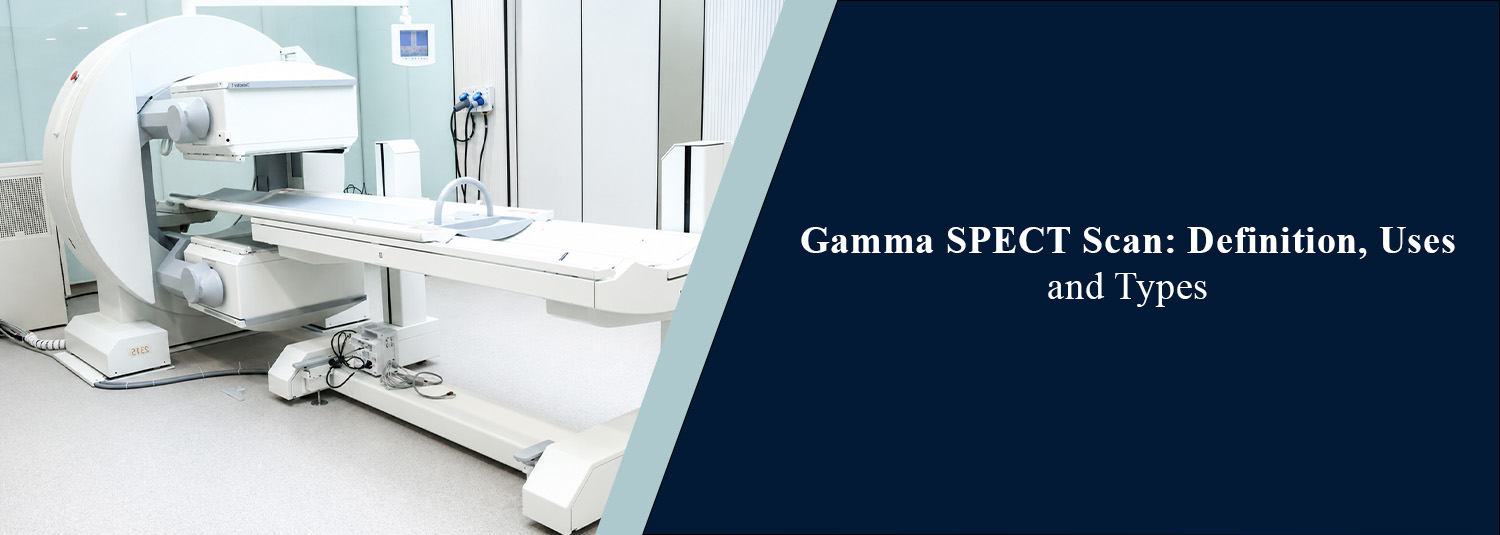
A Gamma SPECT scan is a more
sophisticated nuclear medicine imaging procedure to gain insight into the
functioning of various organs and tissues. Many imaging tests only give the
structure of an organ, while SPECT can give information about both the blood flow
and the function of the organ.
Small doses of radioactive substances
are employed during the scan. The radiation from the tracer is detected by this
special gamma camera, which forms a detailed three-dimensional image of the
region being studied. Molecular Diagnostics and Therapy offers nuclear medicine
imaging for physicians to use in their evaluation of many medical conditions
and to guide treatment.
What Is a Gamma SPECT
Scan?
A gamma SPECT is a type of nuclear
medicine scan that uses a radioactive substance (tracer) and a gamma camera to
make images of the organs and tissues. The tracers are typically administered
using an injection, but the administration method may be different for each
type of exam. Once the tracer has passed through to the target organ, a gamma
camera can detect the radiation in the target organ. This information is then
fed into a computer, which generates images that allow doctors to gauge organ
blood flow and activity. Either a scan by itself or a scan along with a CT scan
may be used. SPECT can be combined with CT imaging. This imaging modality can
deliver both functional and anatomical data.
What Are the Uses of
a SPECT Scan?
The applications of the SPECT scan are
different for various organs. It is commonly used in imaging the heart. A
cardiac SPECT scan may be used to determine the blood flow to the heart muscle
and determine if there are any regions of decreased blood flow. SPECT imaging
is also an option for the brain. It could be useful for doctors to look at
patterns of blood circulation in the brain and in making a diagnosis in the
case of some types of neurological disorders. Bone SPECT can assist in the
detection of increased bone activity. It can be helpful for assessing some bone
diseases, infections, suspected bone abnormalities, or when considering bone
pain.
What Is the SPECT
Scan Procedure?
Typically, a radioactive tracer is
given during the SPECT scan procedure. Depending on which examination, the
tracer can be injected into a vein. The tracer might be given with a waiting
time. This enables the tracer to get to and gather in the area to be studied.
The patient is lying on an imaging table during the scan. Radiation is detected
by the gamma camera, which is moved around the body. During image acquisition,
the subjects must be kept completely stationary so as to get clear images.
A longer time may be needed for some of
the studies, as it takes longer to obtain an image from different angles or may
require further imaging. If SPECT/CT is done, a CT scan might be done in the
same visit. This can help doctors precisely locate abnormalities seen on the
functional images.
What Are the Types of
SPECT Scans?
There are several types of SPECT scans, and the type selected depends on
the organ or condition being evaluated.
Cardiac SPECT
Cardiac SPECT is a frequently performed
study to evaluate blood flow to the heart muscle. It may be useful for
assessing potential decreased blood supply and assessing heart function in
certain patients.
Brain SPECT
Brain SPECT is a machine used to get
information about blood flow patterns in the brain. It may be administered with
medical indication in the context of a medical evaluation of certain
neurological and/or cognitive disorders.
Bone SPECT
Bone SPECT can help determine areas of
abnormal bone activity. This is a valuable aid when more detailed information
is required for a specific area of the skeleton from a medical practitioner for
a medical function.
Is a Gamma SPECT Scan
Safe?
A small dose of radioactive substance
is used in SPECT, and the type of tracer varies according to the examination
that is performed. It can be expected that the radioactivity level diminishes
over time and is eliminated from the body. The advantages of the scan are
weighed against the small amount of radiation being used. The benefits and the
possible risks can be understood based on your examination by your doctor or
the nuclear medicine specialist. Pre-pregnant or pregnant women should let the
medical staff know before the scan. This should also be included in their
discussion prior to the procedure if they are breastfeeding.
How Should You
Prepare for a SPECT Scan?
Depending on the type of SPECT
examination, different preparations may be required. There could be specific
instructions regarding medicines, food, fluids, or activity before some scans
are performed, and a fast may be necessary for others. Patients are directed by
their nuclear medicine department as to preparation. The medical team should
also be aware of any current medications, allergies, pregnancy, lactation, and
any significant medical conditions. By following the instructions carefully,
the scan can be ensured to yield useful images.
Why Might a Doctor
Recommend a SPECT Scan?
A doctor might suggest a SPECT scan if
information about the state of a particular organ or tissue is required. In
some cases and conditions, standard imaging techniques might give an idea of
organ structure, but may not give as much information concerning the
functioning of the organ. SPECT can provide useful additional information, such
as blood flow, tissue activity, or functioning of the organ. It may also be
used in combination with CT to give information of both function and structure
to help the doctor come to a better decision.
Conclusion
A Gamma SPECT scan is an important nuclear medicine imaging technique
that can provide functional information about different organs and tissues.
Depending on the clinical need, it may be used for heart, brain, bone,
parathyroid, and other examinations.
The SPECT scan procedure involves a radioactive tracer followed by imaging with a gamma camera. Different SPECT scan types are selected according to the organ and medical condition being investigated. If your doctor has recommended a SPECT scan, follow the prescription and preparation instructions, and discuss your medical history with the nuclear medicine team. It can help ensure the examination is performed safely and effectively. Molecular Diagnostics and Therapy provides advanced diagnostic and nuclear medicine services to support evaluation and patient care.
Frequently Asked Questions
In News
Get Our Mobile App
for Easy Access
Book tests, view reports, and manage your health records on the go. Experience convenient healthcare with Molecular Diagnostics and Therapy.
- ✔ Book tests & home collection
- ✔ View reports instantly
- ✔ Track health history
- ✔ Get notifications & reminders
- ✔ Easy appointment management