Gut Health Nutrition: Foods That Support a Healthy Microbiome
Talk to Health Expert

Dr. Nikunj Jain
Co-Founder and HOD - Nuclear Medicine ,MBBS, DRM, DNB, FEBNM, FANMB, Dip. CBNC
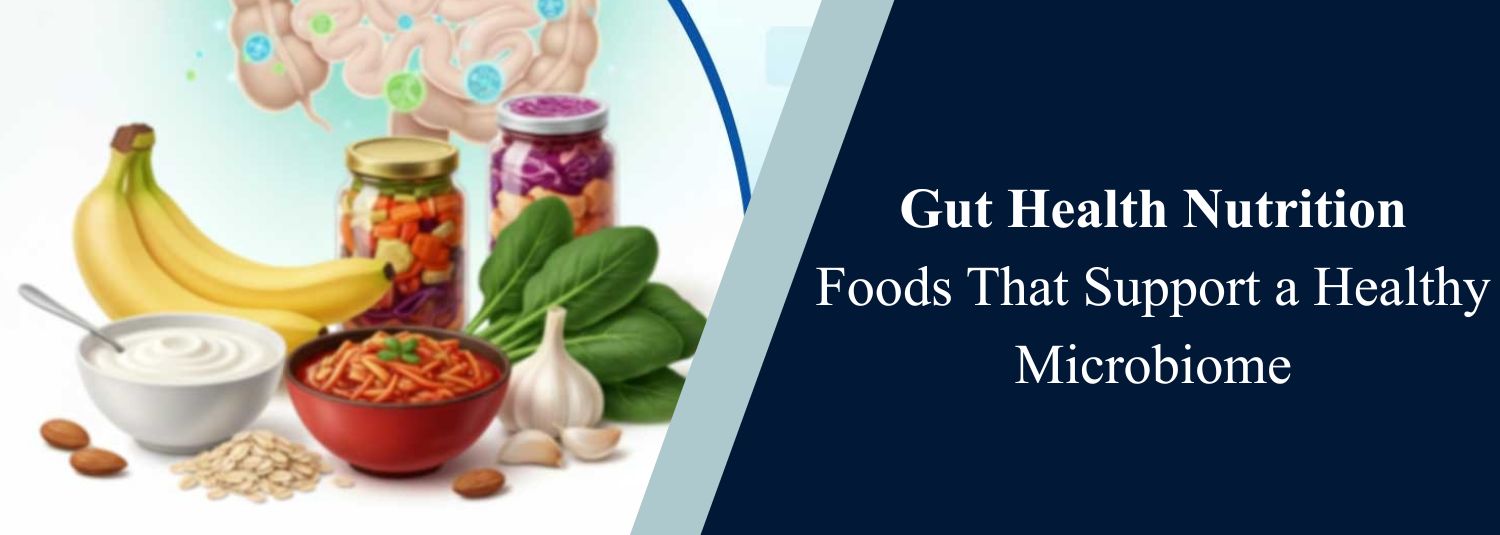
Your gut is more than just a digestive system—it’s a central hub for overall health. A healthy gut microbiome, which is the community of trillions of bacteria living in your digestive tract, can influence digestion, immunity, weight management, and even mental health.
The good news? With the right gut health nutrition, you can nurture your microbiome naturally and support long-term wellness.
Why Gut Health Matters
Your gut microbiome plays a critical role in:
- Digesting and absorbing nutrients efficiently
- Strengthening immunity to fight infections
- Communicating with your brain (gut-brain axis) affecting mood and cognition
- Regulating metabolism and supporting healthy weight
When your gut bacteria are out of balance—called dysbiosis—you may experience bloating, constipation, diarrhea, fatigue, or even skin problems. This is why a gut-friendly diet is essential.
Foods That Support a Healthy Gut
Eating the right foods can promote diverse, healthy bacteria and improve digestion.
1. Probiotic-Rich Foods
Probiotics are live beneficial bacteria that support your gut microbiome.
- Examples: Yogurt, kefir, kimchi, sauerkraut, miso, kombucha
- Benefits: Improve digestion, boost immunity, reduce inflammation
2. Prebiotic Foods
Prebiotics are non-digestible fibers that feed healthy gut bacteria.
- Examples: Garlic, onions, leeks, asparagus, bananas, oats
- Benefits: Promote growth of beneficial bacteria and enhance nutrient absorption
3. Fiber-Rich Foods
Fiber supports bowel regularity and encourages microbial diversity.
- Examples: Whole grains, legumes, fruits, vegetables, chia seeds, flaxseeds
- Tip: Aim for at least 25–30 grams of fiber daily for optimal gut health
4. Polyphenol-Rich Foods
Polyphenols are plant compounds with antioxidant properties that help gut bacteria thrive.
- Examples: Berries, green tea, cocoa, red grapes, olive oil
- Benefits: Reduce inflammation and support cardiovascular health alongside gut health
5. Fermented Foods
Naturally fermented foods are a rich source of beneficial bacteria.
- Examples: Pickles, tempeh, kimchi, kefir, miso
- Tip: Include small servings daily to gradually improve microbiome diversity
6. Healthy Fats
Healthy fats help reduce inflammation and maintain gut lining integrity.
- Examples: Olive oil, avocado, nuts, fatty fish (salmon, mackerel)
- Benefits: Support microbiome diversity and cardiovascular health
Foods to Limit for a Healthy Gut
- Highly processed and sugary foods
- Artificial sweeteners
- Excess alcohol
- Trans fats and fried foods
These can disrupt gut bacteria, promote inflammation, and negatively affect digestion.
Lifestyle Tips to Support Gut Health
- Stay Hydrated: Water helps fiber move through your digestive system and supports nutrient absorption.
- Exercise Regularly: Physical activity positively affects gut bacteria diversity.
- Manage Stress: Chronic stress can harm your gut microbiome. Meditation and deep breathing help.
- Get Quality Sleep: Poor sleep alters gut bacteria composition and affects digestion.
FAQs About Gut Health Nutrition
What is the gut microbiome and why is it important?
The gut microbiome is the community of bacteria in your digestive system that helps with digestion, immunity, and overall health.
Which foods are best for gut health?
Probiotic foods (yogurt, kefir), prebiotics (garlic, bananas), fiber-rich foods, polyphenols, and healthy fats.
Can probiotics improve digestion?
Yes, probiotics introduce beneficial bacteria that help balance gut microbiota and support digestion.
What are prebiotic foods and why are they important?
Prebiotics are fibers that feed good gut bacteria, helping them thrive and improve digestion.
How does fiber help gut bacteria?
Fiber serves as fuel for healthy bacteria, supporting diversity and proper bowel movements.
Can gut health affect mental health?
Yes, the gut-brain axis links gut bacteria to mood, stress, and cognitive function.
Are fermented foods good for digestion?
Yes, fermented foods are rich in beneficial bacteria that improve gut microbiome balance.
How much probiotics should I consume daily?
Moderate daily intake of fermented foods like yogurt or kefir is sufficient for most adults.
Can processed foods harm gut health?
Yes, excessive processed foods, sugar, and artificial additives can disrupt gut bacteria and cause inflammation.
How can I naturally improve my gut microbiome?
Eat a variety of fiber-rich, probiotic, and prebiotic foods, manage stress, exercise, and maintain a balanced lifestyle.
Trusted Sources & Key Facts
- Harvard Health: Gut microbiome affects immunity, digestion, and chronic disease risk.
- Mayo Clinic: Diets rich in fiber, prebiotics, and probiotics support gut health.
- NIH: Research supports the role of diet in maintaining microbiota diversity.
Conclusion
A healthy gut microbiome is essential for digestion, immunity, weight management, and mental health. Including probiotics, prebiotics, fiber, polyphenols, fermented foods, and healthy fats in your diet can naturally improve your gut health.
For personalized nutrition plans, diagnostic tests, and expert guidance, visit Molecular to create a gut-friendly diet tailored to your needs.
In News
Get Our Mobile App
for Easy Access
Book tests, view reports, and manage your health records on the go. Experience convenient healthcare with Molecular Diagnostics and Therapy.
- ✔ Book tests & home collection
- ✔ View reports instantly
- ✔ Track health history
- ✔ Get notifications & reminders
- ✔ Easy appointment management