Healthy Weight Loss: Nutrition Tips That Actually Work
Talk to Health Expert

Dr. Nikunj Jain
Co-Founder and HOD - Nuclear Medicine ,MBBS, DRM, DNB, FEBNM, FANMB, Dip. CBNC
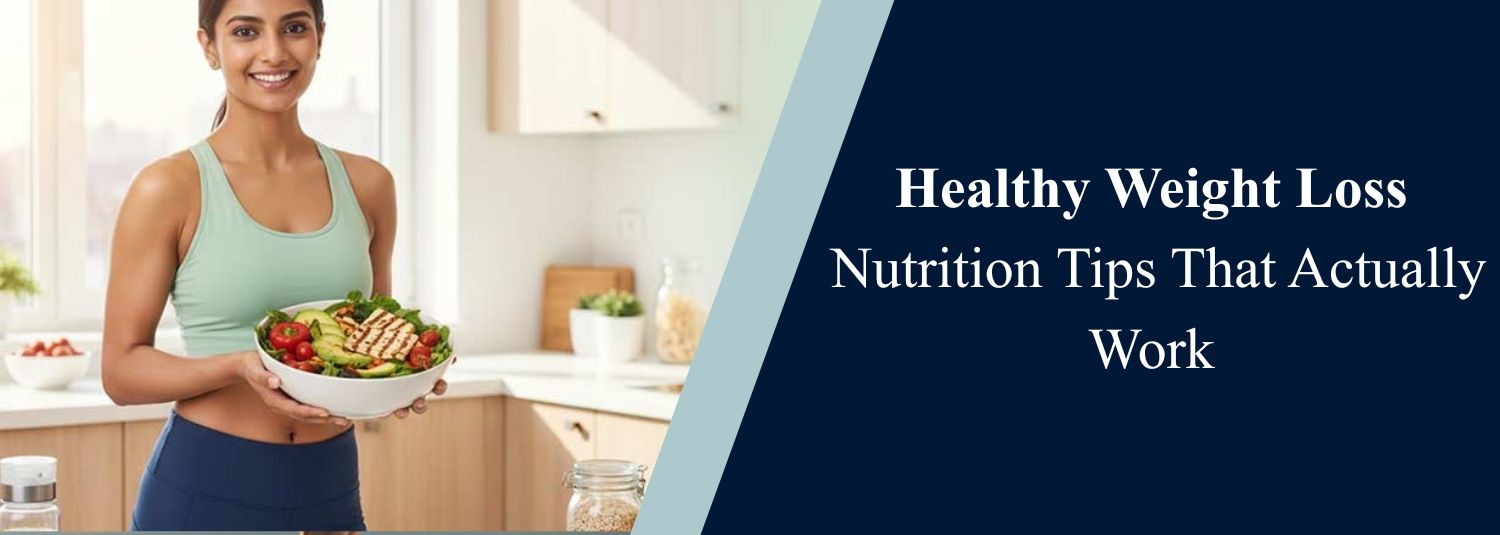
Losing weight can feel overwhelming with all the fad diets and quick-fix solutions out there. But the truth is, healthy weight loss isn’t about starving yourself or cutting out entire food groups. It’s about balanced nutrition, portion control, and sustainable lifestyle habits.
In this guide, we’ll break down nutrition tips that actually work, explain which foods support fat loss, and provide practical strategies for losing weight safely—without compromising your health.
Why Nutrition Matters for Healthy Weight Loss
Your body needs fuel to function, and the quality of that fuel affects your weight, energy, and overall health. A diet rich in whole foods, protein, fiber, and healthy fats can:
-
Boost metabolism
-
Keep you full longer
-
Maintain muscle while losing fat
-
Improve digestion and overall health
According to the World Health Organization (WHO), sustainable weight loss is achieved through a calorie deficit paired with nutrient-rich foods—not crash diets.
The Basics of Healthy Weight Loss
1. Calorie Deficit, the Right Way
A calorie deficit occurs when you burn more calories than you consume. The key is to create a moderate deficit to promote steady weight loss—about 0.5–1 kg per week. Extreme restriction can backfire, slowing your metabolism and causing nutrient deficiencies.
2. Focus on Nutrient-Dense Foods
Instead of cutting calories by removing entire food groups, prioritize foods that provide vitamins, minerals, and fiber while being lower in calories.
3. Gradual, Sustainable Changes
Small, consistent changes in your eating habits are more effective long-term than temporary extreme diets.
Nutrition Tips That Actually Work
1. Eat a Balanced Diet
A balanced diet includes carbs, proteins, fats, fiber, vitamins, and minerals. Avoid extreme restrictions; aim for variety and moderation.
2. Prioritize Protein
Protein supports muscle maintenance and satiety, which helps prevent overeating.
-
Sources: Eggs, chicken, fish, tofu, lentils, beans, yogurt, nuts.
3. Include Fiber-Rich Foods
Fiber slows digestion, keeps you full, and stabilizes blood sugar.
-
Sources: Vegetables, fruits, whole grains, legumes.
4. Practice Portion Control
-
Use smaller plates.
-
Measure servings when possible.
-
Avoid eating straight from packages.
5. Stay Hydrated
Drinking water can reduce hunger, improve digestion, and support fat metabolism.
-
Tip: Aim for 8–10 glasses per day.
6. Limit Added Sugar and Refined Carbs
Sugary drinks, pastries, and processed foods spike blood sugar and add unnecessary calories. Replace them with whole grains, fruits, and natural sweeteners.
7. Plan Your Meals
Meal prepping reduces impulsive eating and ensures balanced meals with protein, fiber, and healthy fats.
8. Mindful Eating
Eating slowly and without distractions helps you recognize fullness cues, preventing overeating.
Foods That Help With Weight Loss
- Leafy greens and vegetables: Low in calories, high in fiber.
- Lean proteins: Chicken, fish, eggs, tofu.
- Whole grains: Oats, quinoa, brown rice.
- Fruits: Berries, apples, citrus fruits.
- Healthy fats: Avocado, olive oil, nuts, seeds.
- Legumes: Lentils, chickpeas, beans.
Common Mistakes to Avoid
- Skipping meals, which slows metabolism
- Relying on “quick-fix” fad diets
- Overeating healthy foods
- Ignoring hydration
- Not adjusting calories based on activity level
Healthy Weight Loss for Different Life Stages
- Adults: Focus on balanced meals, portion control, and consistent meal timing.
- Seniors: Prioritize protein, fiber, and bone-supporting nutrients.
- Active individuals & athletes: Higher protein and complex carbs for energy and recovery.
FAQs
What are the best nutrition tips for healthy weight loss?
Focus on a balanced diet, portion control, high protein, fiber-rich foods, and proper hydration. Avoid processed foods and added sugars.
How many calories should I eat to lose weight safely?
A moderate calorie deficit of 500–750 calories per day is safe, allowing for about 0.5–1 kg weight loss per week.
Can I lose weight without exercise?
Yes, through proper nutrition and calorie control. Exercise enhances results by maintaining muscle and boosting metabolism.
Which foods help burn fat naturally?
Lean proteins, fiber-rich vegetables, whole grains, healthy fats (like avocado and nuts), and foods with thermogenic properties (green tea, chili peppers).
How often should I eat to lose weight?
3 main meals with 1–2 healthy snacks helps maintain energy and prevents overeating.
Can a balanced diet alone help with weight loss?
Yes, nutrition accounts for 70–80% of weight loss success. Exercise complements it.
How much protein do I need to lose weight?
Around 1–1.5 grams per kilogram of body weight, adjusted for activity level and goals.
Are low-carb diets effective for weight loss?
They can be effective short-term but long-term sustainable weight loss relies on balanced nutrition and portion control.
Can drinking water help with weight loss?
Yes, it aids digestion, reduces hunger, and supports fat metabolism. Drinking water before meals can also prevent overeating.
How long does it take to lose weight safely?
A safe and sustainable rate is 0.5–1 kg per week. Rapid weight loss is usually temporary and unsustainable.
Key Facts & Trusted Sources
- WHO: Healthy weight loss is achieved through balanced nutrition and moderate calorie reduction.
- NIH: Emphasizes nutrient-dense foods for weight management.
- Harvard Health: Portion control and high-protein, fiber-rich foods improve satiety and fat loss.
- Mayo Clinic: Avoid fad diets and prioritize long-term, sustainable dietary changes.
Conclusion
Healthy weight loss is about smart, sustainable choices—not extreme dieting. By eating a balanced diet, controlling portions, prioritizing protein and fiber, and staying hydrated, you can safely lose weight and maintain it long-term.
For personalized guidance, diagnostic tests and nutrition planning at MolecularIT can help you identify deficiencies and optimize your weight loss plan.
Remember, small, consistent changes today lead to lasting results tomorrow.
In News
Get Our Mobile App
for Easy Access
Book tests, view reports, and manage your health records on the go. Experience convenient healthcare with Molecular Diagnostics and Therapy.
- ✔ Book tests & home collection
- ✔ View reports instantly
- ✔ Track health history
- ✔ Get notifications & reminders
- ✔ Easy appointment management