Iron Deficiency: Symptoms, Foods, and Tests You Should Know
Talk to Health Expert

Dr. Nikunj Jain
Co-Founder and HOD - Nuclear Medicine ,MBBS, DRM, DNB, FEBNM, FANMB, Dip. CBNC
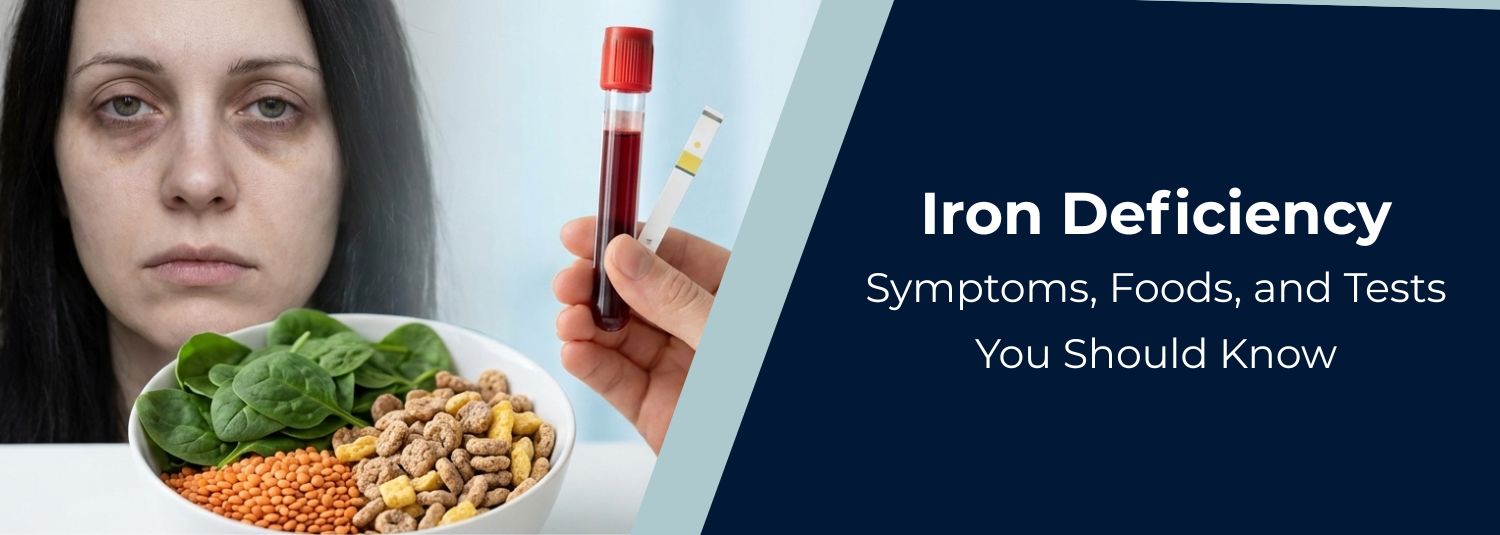
If you often feel tired, dizzy, or look pale — it’s easy to blame stress or lack of sleep.
But sometimes, the real reason lies deeper — in your blood.
Iron deficiency is one of the most common nutritional deficiencies worldwide. It affects over 2 billion people, including children, women, and even men.
The good news? It’s detectable, preventable, and treatable — especially if caught early.
Let’s explore what causes low iron, how to recognize it, what to eat, and which tests can give you clarity about your health.
What Is Iron Deficiency?
Iron is a vital mineral that helps your body make hemoglobin, a protein in red blood cells that carries oxygen throughout your body.
When iron levels drop, your body can’t produce enough healthy red blood cells — leading to iron deficiency anemia.
Without enough oxygen, your tissues and organs can’t function properly — resulting in fatigue and weakness.
Common Symptoms of Iron Deficiency
Iron deficiency develops gradually, and its symptoms may go unnoticed until they worsen.
Here are some key signs your body might be sending you:
| Category | Common Symptoms |
|---|---|
| General Fatigue | Feeling weak, tired, or drained despite rest |
| Appearance | Pale skin, brittle nails, dark circles |
| Breathing | Shortness of breath, especially during activity |
| Heart | Rapid heartbeat or irregular pulse |
| Neurological | Headache, dizziness, or “brain fog” |
| Appetite & Digestion | Loss of appetite, unusual food cravings (like ice or clay — known as pica) |
| Cold Sensitivity | Feeling cold even in warm weather |
| Hair & Skin | Hair loss, dry skin, or dull complexion |
If you notice several of these signs, it’s important to get your iron levels tested rather than self-diagnose.
Causes of Iron Deficiency
Iron deficiency doesn’t happen overnight. It often results from multiple underlying factors:
- Inadequate Diet – Low intake of iron-rich foods like meat, beans, or leafy greens.
- Blood Loss – Heavy menstruation, ulcers, or internal bleeding.
- Pregnancy – Increased iron demand for fetal growth.
- Digestive Disorders – Conditions like celiac disease or IBS reduce absorption.
- Frequent Blood Donation – Reduces iron reserves.
- Chronic Diseases – Kidney or liver disorders can affect red blood cell production.
Women of childbearing age and growing children are at the highest risk.
Iron Deficiency Tests: How Diagnosis Works
If your doctor suspects low iron, they’ll recommend simple blood tests to measure key parameters.
Common Blood Tests Include:
- Hemoglobin Test (Hb):
- Measures red blood cell oxygen-carrying capacity.
- Normal Range:
- Men: 13.5–17.5 g/dL
- Women: 12.0–15.5 g/dL
- Serum Ferritin Test:
- Indicates how much iron is stored in your body.
- Low ferritin = iron deficiency.
- Serum Iron Test:
- Measures the amount of circulating iron in blood.
- Total Iron-Binding Capacity (TIBC):
- Assesses how well your body binds and transports iron.
- Complete Blood Count (CBC):
- Evaluates overall blood health — low mean corpuscular volume (MCV) often signals anemia.
You can book these tests as part of a Full Body Checkup or Anemia Profile at Molecular Diagnostics. Accurate, same-day results help you start treatment faster.
Iron-Rich Foods to Boost Levels Naturally
Food is the first and most natural way to restore iron levels.
There are two types of dietary iron:
- Heme Iron: Found in animal sources; easily absorbed.
- Non-Heme Iron: Found in plant foods; absorption improves with Vitamin C.
Best Sources of Heme Iron
- Lean red meat (beef, lamb)
- Chicken and turkey
- Fish and shellfish (sardines, tuna, oysters)
- Liver and organ meats
Best Sources of Non-Heme Iron
- Spinach, kale, and broccoli
- Lentils, chickpeas, and kidney beans
- Tofu and soybeans
- Pumpkin seeds, sesame seeds
- Fortified cereals and oats
Foods That Improve Iron Absorption
- Citrus fruits (oranges, amla, kiwi)
- Bell peppers
- Tomatoes
- Strawberries
Foods That Inhibit Absorption
- Tea and coffee (contain tannins)
- Dairy products (high in calcium)
- Processed foods with additives
Pro Tip: Pair iron-rich meals with Vitamin C sources for 2x better absorption!
Treatment Options for Iron Deficiency
Depending on severity, your doctor may suggest:
- Iron Supplements (Oral):
- Tablets or syrups like ferrous sulfate or ferrous gluconate.
- Take on an empty stomach with vitamin C for better absorption.
- IV Iron Therapy:
- For severe cases or those who can’t tolerate oral supplements.
- Dietary Counseling:
- Nutritionist-guided meal planning to include both iron and vitamin-rich foods.
- Addressing Underlying Causes:
- Treating menstrual issues, ulcers, or malabsorption disorders.
Avoid self-medicating with iron pills — too much iron can be harmful.
Preventing Iron Deficiency: Small Habits, Big Results
- Eat a balanced diet with iron and Vitamin C.
- Get routine blood tests every 6–12 months.
- Manage heavy menstrual bleeding with medical help.
- Avoid crash diets or excessive caffeine.
- Consult your doctor during pregnancy or post-surgery for supplementation.
FAQs: Iron Deficiency
What are the first signs of iron deficiency?
Fatigue, pale skin, dizziness, and brittle nails.
Which food is highest in iron?
Red meat, liver, spinach, and lentils are excellent sources.
How can I increase my iron levels quickly?
Eat iron-rich foods with vitamin C and follow doctor-recommended supplements.
What is a normal hemoglobin level?
For adults, men: 13.5–17.5 g/dL, women: 12–15.5 g/dL.
Can iron deficiency cause hair loss?
Yes, low iron reduces oxygen to hair follicles, leading to thinning.
How is iron deficiency diagnosed?
Through blood tests like hemoglobin, ferritin, and TIBC.
Is iron deficiency dangerous?
Untreated cases can lead to severe anemia, weakness, and organ damage.
Can vegetarians get enough iron?
Yes, through beans, lentils, tofu, and leafy greens with vitamin C.
How long does it take to correct iron deficiency?
Usually 2–3 months with proper diet and supplements.
Should I take iron supplements daily?
Only if prescribed by your doctor after testing.
Conclusion: Strength Begins Within
Iron deficiency may seem minor, but its impact on your energy, mood, and long-term health is significant.
By paying attention to your body’s signals, eating smartly, and testing regularly, you can prevent anemia before it starts.
Early diagnosis is key.
Schedule an Iron Profile or Hemoglobin Test at Molecular Diagnostics today — and take the first step toward a stronger, healthier you.
In News
Get Our Mobile App
for Easy Access
Book tests, view reports, and manage your health records on the go. Experience convenient healthcare with Molecular Diagnostics and Therapy.
- ✔ Book tests & home collection
- ✔ View reports instantly
- ✔ Track health history
- ✔ Get notifications & reminders
- ✔ Easy appointment management