Lump: Causes, Symptoms, Types & Tests
Talk to Health Expert

Dr. Nikunj Jain
Co-Founder and HOD - Nuclear Medicine ,MBBS, DRM, DNB, FEBNM, FANMB, Dip. CBNC
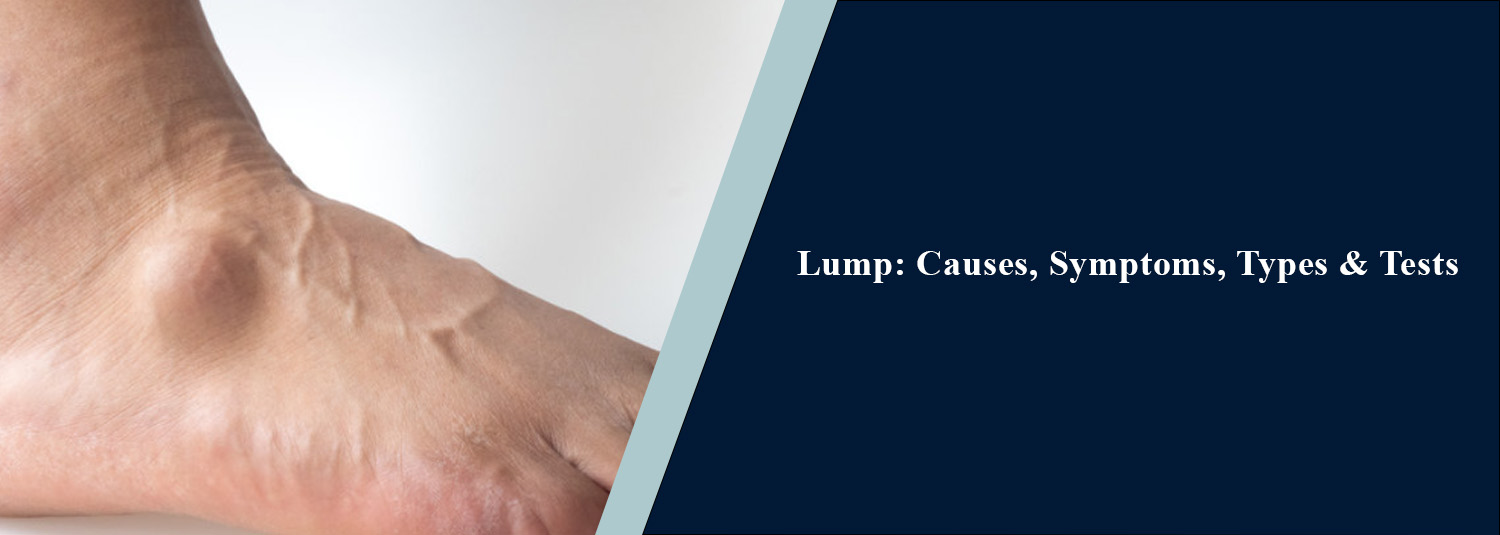
A lump is a bump, growth, or swelling
that occurs in or under the skin or in other parts of the body and is unusual.
There are numerous causes of lumps, and some lumps have no significance, while
others may require medical attention. This diagnostic service is helpful in
healthcare professionals' research of different health issues at MolecularDiagnostics and Therapy. By knowing the causes of lumps, the symptoms of lumps,
what types of lumps exist, and what tests are performed for a lump, people can
have a better idea of when it might be time for a medical consultation. Small
lumps are not necessarily a serious problem. But when a new lump that doesn't
go away is painful, grows quickly, or is unusual, it should be checked by a
trained health care provider.
What Is a Lump?
Lump – an area of swelling or tissue
that has a sensation different from that of the surrounding area. It can be
soft, firm, smooth, irregular, and/or painful. There are ways to notice some
lumps; others will only be noticed on touch. Lumps may develop in the neck,
underarms, and in the breasts, abdomen, back, groin, and limbs. These
attributes can be helpful when the doctor is conducting physical exams.
Common Lump Causes
There are a number of possible causes
for lumps, and the cause may depend on the size and nature of the lump. An
enlarged lymph node is a common cause. Infection or inflammation can cause
lymph nodes to swell. Another common cause is cysts. A cyst is an enclosed bag
that contains either a liquid or other material. Cysts may form in various
tissues and sometimes may become inflamed or infected.
A lipoma is a smooth fatty lump that
forms below the skin. Growth tends to be slow and is almost always benign.
Other injuries may cause swelling or a lump at the injury site. An area of
firmness may occur after an injury, due to inflammation or scar tissue.
Hernias, tumours, and inflammatory conditions are other possible causes. Many
similar-appearing lumps are caused by many different conditions, so it might be
necessary to seek professional help to find out what is causing the lump.
Common Lump Symptoms
The lump symptoms will differ depending
on the cause of the lump. Other lumps are painless and can be found by
accident. Others may result in tenderness, discomfort, redness, warmth, or
swelling. Swollen areas from infections can sometimes be accompanied by a fever
or other symptoms of infection. Some changes over time are also important. If a
lump persists or grows, or pain occurs, or if the lump changes in appearance or
doesn't go away, you should talk to a healthcare provider. If present in
conjunction with other persistent or otherwise unexplained symptoms, the latter
should also be noted in the medical consultation.
Types of Lumps
There are several types of lumps,
depending on their underlying cause. Cysts are closed sacs filled with or
lacking fluid or other contents and can grow anywhere in the body. Typically,
lipomas develop as slow-growing, soft masses from fat under the skin. Enlarged
lymph nodes can form as a result of an infection or inflammation response of
the immune system. Pus can sometimes accumulate in infected areas and lead to
the formation of an abscess, which can cause pain, swelling, redness, and
warmth.
Hernias are the occurrence of tissue
protrusion through a weak portion of the surrounding tissue and/or weakened
portions of surrounding muscle and can be visibly seen as a bulge. Some can be
a harmless lump; others may need further investigation. So, if necessary, the
medical assessment of the specific type of lump should be conducted through
appropriate examination.
When Should a Lump Be
Evaluated?
While many lumps are harmless, some are
not and require some type of medical intervention. If the lump has appeared
recently, has increased in size, is particularly firm, does not move, hurts, or
there are other symptoms, seek help from a healthcare professional. The type of
evaluation can be determined by the location and physical characteristics of
the lump. Observation, laboratory tests, imaging, or other diagnostic tests may
be recommended, depending on the situation.
Tests for Lump
The tests that may be required for a
lump are determined by what is suspected, the site, size, and nature of the
lump. The first step is often a physical examination. The size, shape, texture,
mobility, tenderness, and adjacent tissue may be evaluated by a healthcare
worker. An ultrasound will be performed to see if a lump seems fluid-filled or
solid. Additional imaging tests might also be desired depending on the setting
and clinical results. In some cases, blood tests can help detect signs of
infection, inflammation, or other factors relevant to the lump. Biopsies might
be suggested in some cases.
A biopsy is a process of taking a small
piece of tissue or cells for analysis. This can help give more information
regarding the type of lump. In addition, specialised molecular diagnostic
methods can be used in individual cases where there is a need for a particular
disease or abnormality to be investigated. Not all lumps need the same testing,
so be sure to follow your doctor's recommendation.
Why Proper Diagnosis
Is Important
It can be difficult to determine the
cause of a lump based on its appearance and feel alone. Signs can be identical
with different conditions, and therefore a professional evaluation is important
when a lump remains, or if any changes are observed that are concerning.
Additional information from appropriate diagnostic testing can assist the
health care provider in determining whether additional diagnostics or management
may be warranted.
Conclusion
Other causes of a lump include cysts, swollen lymph nodes, lipomas, infections, injuries, hernias, or various other conditions. Knowing the reasons why lumps form, symptoms of lumps, the different types of lumps, and testing for lumps can help individuals determine whether they should seek professional medical attention for their lumps. It's best to avoid self-diagnosing a new, persistent, growing, painful, or unusual lump, although such symptoms might initially be ignored. Molecular Diagnosticsand Therapy offers diagnostic services that help guide appropriate medical evaluation and investigation of various health conditions in a laboratory setting.
Frequently Asked Questions
In News
Get Our Mobile App
for Easy Access
Book tests, view reports, and manage your health records on the go. Experience convenient healthcare with Molecular Diagnostics and Therapy.
- ✔ Book tests & home collection
- ✔ View reports instantly
- ✔ Track health history
- ✔ Get notifications & reminders
- ✔ Easy appointment management