Omega-3 Fatty Acids: Benefits and Best Food Sources
Talk to Health Expert

Dr. Nikunj Jain
Co-Founder and HOD - Nuclear Medicine ,MBBS, DRM, DNB, FEBNM, FANMB, Dip. CBNC
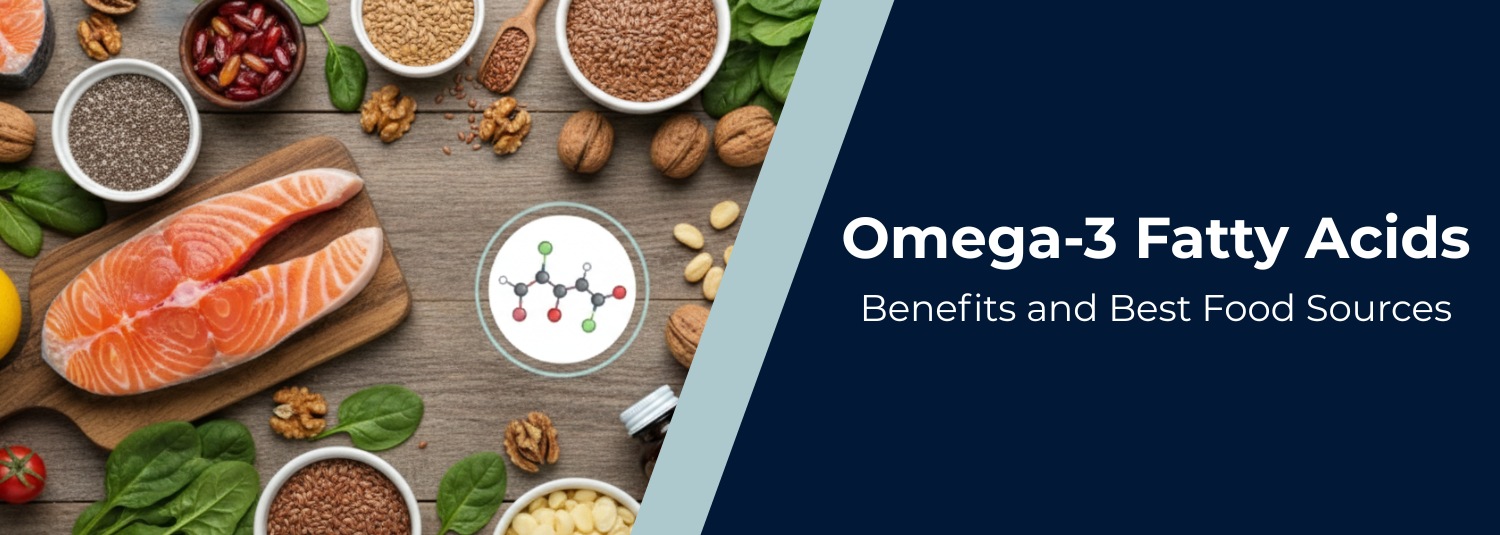
For years, “fat” had a bad reputation. But not all fats are harmful — in fact, some are absolutely essential for your health.
Meet Omega-3 fatty acids, the superhero of healthy fats.
These essential fats are crucial for brain function, heart health, and inflammation control — yet, your body can’t produce them on its own. That means you must get them from food or supplements.
In this article, we’ll break down what omega-3s are, their science-backed benefits, and the best food sources — both vegetarian and non-vegetarian — to include in your diet.
What Are Omega-3 Fatty Acids?
Omega-3 fatty acids are a type of polyunsaturated fat that play a vital role in cell structure and function. They’re called “essential” because your body cannot synthesize them naturally.
There are three main types of omega-3s:
- ALA (Alpha-linolenic acid):
- Found in plant oils like flaxseed, chia seeds, and walnuts.
- Needs to be converted into DHA and EPA (conversion rate is low).
- EPA (Eicosapentaenoic acid):
- Found mainly in fish and seafood.
- Helps reduce inflammation and supports heart health.
- DHA (Docosahexaenoic acid):
- Found in fatty fish and algae.
- Crucial for brain, eye, and nervous system function.
Fun Fact: The human brain is nearly 60% fat — and DHA is one of its most important building blocks.
Key Health Benefits of Omega-3 Fatty Acids
Science-backed research confirms that omega-3s support almost every major system in your body. Let’s explore their top benefits:
1. Supports Heart Health
Omega-3s are best known for their heart-protective effects.
They help:
- Reduce triglyceride levels (bad fats in the blood)
- Lower blood pressure
- Prevent artery plaque buildup
- Improve HDL (good cholesterol)
Studies show that people who regularly eat fish or take omega-3 supplements have up to 30% lower risk of heart disease.
2. Improves Brain Function and Mood
DHA is critical for brain development and mental health.
Adequate intake has been linked to:
- Better focus and memory
- Reduced risk of depression and anxiety
- Slower cognitive decline in aging adults
In pregnant women, omega-3s are vital for baby’s brain and eye development.
3. Boosts Eye Health
Your retina contains high levels of DHA. Low omega-3 intake may increase the risk of dry eyes, macular degeneration, and vision issues.
Supplementing with omega-3s helps maintain moisture balance and reduces digital eye strain — a must for people who work long hours on screens.
4. Fights Inflammation
Chronic inflammation is linked to heart disease, diabetes, arthritis, and more.
EPA acts as a natural anti-inflammatory, reducing joint pain and swelling in conditions like rheumatoid arthritis.
Regular intake can also help lower CRP levels (C-reactive protein), a marker of inflammation detected in lab tests.
5. Supports Skin and Hair Health
Omega-3s strengthen cell membranes, leading to softer skin, improved hydration, and a natural glow.
They can also help manage:
- Acne
- Psoriasis
- Eczema
- Hair thinning and dullness
6. Aids Weight Management and Metabolism
Omega-3s improve insulin sensitivity and may increase fat oxidation, helping with healthy weight management.
Combined with exercise, they support lean muscle gain and metabolic health.
Best Food Sources of Omega-3 Fatty Acids
There’s an abundance of natural omega-3 food sources to choose from, whether you eat meat or prefer a plant-based diet.
Non-Vegetarian Sources (Rich in EPA & DHA)
| Food | Serving Size | Omega-3 Content (Approx.) |
|---|---|---|
| Salmon | 100g | 2,200 mg |
| Mackerel | 100g | 4,100 mg |
| Sardines | 100g | 1,500 mg |
| Tuna | 100g | 1,200 mg |
| Oysters | 6 medium | 500 mg |
| Cod liver oil | 1 tsp | 1,000 mg |
Vegetarian & Vegan Sources (Rich in ALA)
| Food | Serving Size | Omega-3 Content (Approx.) |
|---|---|---|
| Flaxseeds | 1 tbsp | 2,300 mg |
| Chia seeds | 1 tbsp | 1,700 mg |
| Walnuts | 30g (7–8 pcs) | 2,500 mg |
| Hemp seeds | 1 tbsp | 1,000 mg |
| Canola oil | 1 tbsp | 1,200 mg |
| Algae oil (vegan supplement) | 1 capsule | 400–500 mg DHA |
💡 Tip: Grind flaxseeds for better absorption and add them to smoothies or yogurt.
Omega-3 Supplements: Do You Need Them?
If your diet doesn’t include enough omega-3 foods, supplements can help.
Common options include:
- Fish oil capsules
- Krill oil
- Algae oil (plant-based DHA)
Always choose supplements with EPA + DHA combination and ensure they are mercury-free and third-party tested.
Recommended Daily Intake:
- Men: 1.6 g/day
- Women: 1.1 g/day
- Pregnant/Breastfeeding women: 1.4 g/day
Consult your doctor before starting supplements, especially if you take blood thinners.
How to Know If You’re Deficient in Omega-3s
Common signs include:
- Dry skin or brittle hair
- Frequent fatigue
- Brain fog or mood swings
- Joint stiffness
- Poor concentration
You can also check your Omega-3 Index or lipid profile at Molecular Diagnostics to assess fatty acid balance and cardiovascular risk.
Conclusion: A Simple Step for Lifelong Health
Adding omega-3 fatty acids to your diet is one of the easiest and most effective ways to protect your heart, brain, and overall health.
Whether through fish, seeds, or supplements — a daily dose of omega-3s can truly transform your wellness from the inside out.
Remember, balance is key. Pair a healthy diet with regular medical checkups like Lipid Profile Tests and Omega-3 Index Tests to stay in control of your health.
Explore preventive health packages and nutrition assessments at Molecular Diagnostics — your trusted partner in better living.
Frequently Asked Questions
In News
Get Our Mobile App
for Easy Access
Book tests, view reports, and manage your health records on the go. Experience convenient healthcare with Molecular Diagnostics and Therapy.
- ✔ Book tests & home collection
- ✔ View reports instantly
- ✔ Track health history
- ✔ Get notifications & reminders
- ✔ Easy appointment management