PCOD: Causes, Symptoms, and Effective Treatments
Talk to Health Expert

Dr. Nikunj Jain
Co-Founder and HOD - Nuclear Medicine ,MBBS, DRM, DNB, FEBNM, FANMB, Dip. CBNC
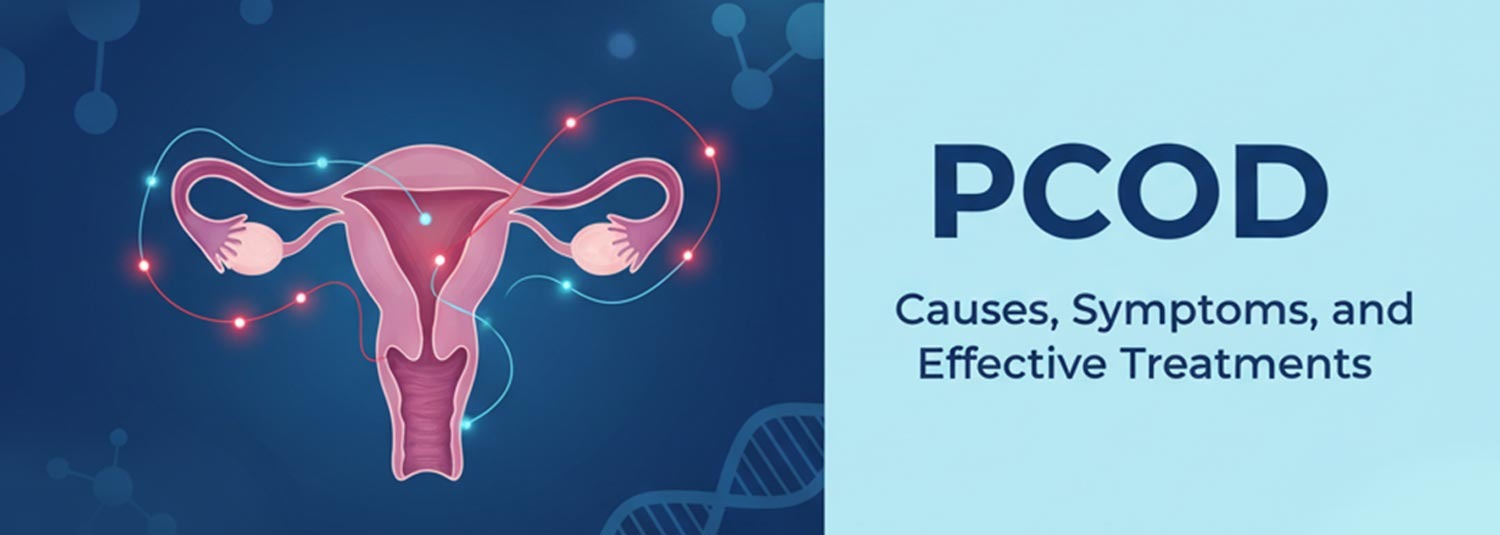
Polycystic Ovarian Disease (PCOD) is a common hormonal disorder affecting women of reproductive age. It occurs when the ovaries produce higher-than-normal levels of male hormones, which can interfere with menstrual cycles, ovulation, and fertility.
PCOD not only impacts reproductive health but can also affect metabolism, weight, and long-term wellness. Early diagnosis and effective management are key to preventing complications such as diabetes, heart disease, and infertility.
This guide explains PCOD in simple terms, covering causes, symptoms, diagnosis, and treatment options.
What is PCOD?
PCOD is a condition in which the ovaries develop multiple small cysts due to the imbalance of hormones, particularly androgens (male hormones). These cysts are usually tiny, fluid-filled sacs that can disrupt ovulation and menstrual cycles.
Difference Between PCOD and PCOS
Many people confuse PCOD with PCOS (Polycystic Ovary Syndrome):
- PCOD: Ovarian cysts are temporary and usually resolve with treatment; symptoms are less severe.
- PCOS: A chronic, more severe condition often linked with insulin resistance, metabolic issues, and long-term complications.
Both conditions share similar symptoms, but PCOS requires more intensive management.
Causes of PCOD
The exact cause of PCOD is not fully understood, but several factors contribute:
- Hormonal Imbalance
- Excess production of androgens prevents normal ovulation.
- Disrupts the balance of estrogen and progesterone.
- Insulin Resistance
- High insulin levels can increase androgen production.
- Linked to weight gain and difficulty in regulating blood sugar.
- Genetics
- Family history can increase risk.
- Certain genes may influence hormone production and ovarian function.
- Lifestyle Factors
- Sedentary lifestyle, poor diet, and obesity can worsen symptoms.
- Inflammation
- Low-grade inflammation in the body may trigger excess androgen production.
Symptoms of PCOD
Symptoms vary among women and may appear gradually. Common signs include:
- Irregular periods (less than 8 cycles per year or prolonged bleeding)
- Weight gain or difficulty losing weight
- Excess hair growth (hirsutism) on face, chest, or back
- Acne and oily skin
- Thinning hair or hair loss on the scalp
- Dark patches of skin (especially around neck or under breasts)
- Difficulty conceiving due to irregular ovulation
- Mood swings or fatigue
Early recognition of these symptoms is crucial for preventing long-term complications.
Complications of Untreated PCOD
If left unmanaged, PCOD can lead to:
- Type 2 Diabetes: Due to insulin resistance
- Heart Disease: Increased cholesterol and blood pressure
- Infertility: Ovulation may not occur regularly
- Endometrial Cancer: Due to prolonged lack of ovulation
- Obesity: Difficulty maintaining a healthy weight
- Sleep Apnea: Especially in overweight women
Diagnosis of PCOD
Doctors use a combination of clinical evaluation, blood tests, and imaging to diagnose PCOD:
- Medical History & Physical Examination
- Menstrual irregularities, weight changes, and hair growth patterns are assessed.
- Blood Tests
- Measure levels of androgens, LH, FSH, insulin, and glucose.
- Ultrasound (Pelvic Ultrasound)
- Detects multiple small cysts on the ovaries.
- Exclusion of Other Conditions
- Thyroid disorders, adrenal gland disorders, and other causes of hormonal imbalance are ruled out.
Effective Treatments for PCOD
PCOD treatment focuses on managing symptoms, regulating menstrual cycles, and improving fertility.
1. Lifestyle Modifications (First Line of Management)
- Healthy Diet: High in fiber, low in refined carbs and sugar
- Regular Exercise: Helps improve insulin sensitivity and maintain weight
- Weight Management: Even 5–10% weight loss can improve ovulation
- Stress Reduction: Yoga, meditation, and adequate sleep
2. Medications
Depending on symptoms and fertility goals, doctors may prescribe:
- Birth Control Pills: Regulate menstrual cycles and reduce androgen levels
- Metformin: Improves insulin sensitivity and may help with weight management
- Anti-Androgen Medications: Reduce hair growth and acne
- Fertility Treatments: Clomiphene or letrozole may stimulate ovulation in women trying to conceive
3. Surgical Options
- Ovarian Drilling: A laparoscopic procedure to reduce androgen-producing tissue (used in select cases when medications fail)
4. Regular Monitoring
- Blood sugar, cholesterol, and blood pressure should be checked regularly
- Ultrasounds may be repeated to monitor ovarian health
Lifestyle Tips to Manage PCOD
- Eat a balanced diet rich in vegetables, lean proteins, and whole grains
- Limit processed foods, sugary drinks, and fried foods
- Exercise regularly: 30–45 minutes most days of the week
- Maintain healthy sleep patterns
- Monitor mental health: Support for anxiety or depression is important
- Track menstrual cycles to observe changes and manage symptoms
Key Facts About PCOD
- Affects 5–10% of women of reproductive age worldwide
- Early diagnosis can prevent long-term complications
- Lifestyle changes are often as important as medication
- Can impact fertility, but treatment options are effective
- Regular monitoring of hormones, blood sugar, and weight is essential
FAQs About PCOD
What is PCOD?
A hormonal disorder in women causing irregular periods, ovarian cysts, and increased androgens.
What are the common symptoms of PCOD?
Irregular periods, weight gain, acne, excess hair growth, hair loss, and fertility issues.
What causes PCOD?
Hormonal imbalance, insulin resistance, genetics, inflammation, and lifestyle factors.
Can PCOD cause infertility?
Yes, due to irregular or absent ovulation.
How is PCOD diagnosed?
Through blood tests, pelvic ultrasound, and clinical evaluation.
Is PCOD the same as PCOS?
No. PCOS is a more severe, chronic condition with additional metabolic complications.
Can diet and exercise help PCOD?
Yes, healthy lifestyle changes improve insulin sensitivity, weight, and hormone balance.
What medications are used for PCOD?
Birth control pills, metformin, anti-androgens, and fertility medications if needed.
Can PCOD lead to diabetes?
Yes, insulin resistance in PCOD increases the risk of type 2 diabetes.
Is PCOD curable?
No, but it can be managed effectively with lifestyle changes, medications, and monitoring.
Trusted Organizations and Sources
- American College of Obstetricians and Gynecologists (ACOG) – acog.org
- Centers for Disease Control and Prevention (CDC) – cdc.gov
- Mayo Clinic – mayoclinic.org
- Endocrine Society – endocrine.org
Conclusion
PCOD is a common but manageable condition. Early diagnosis, lifestyle modifications, and targeted treatments can help regulate menstrual cycles, improve fertility, and prevent long-term health complications.
In News
Get Our Mobile App
for Easy Access
Book tests, view reports, and manage your health records on the go. Experience convenient healthcare with Molecular Diagnostics and Therapy.
- ✔ Book tests & home collection
- ✔ View reports instantly
- ✔ Track health history
- ✔ Get notifications & reminders
- ✔ Easy appointment management