Protein Power: How Much Protein Do You Really Need?
Talk to Health Expert

Dr. Nikunj Jain
Co-Founder and HOD - Nuclear Medicine ,MBBS, DRM, DNB, FEBNM, FANMB, Dip. CBNC
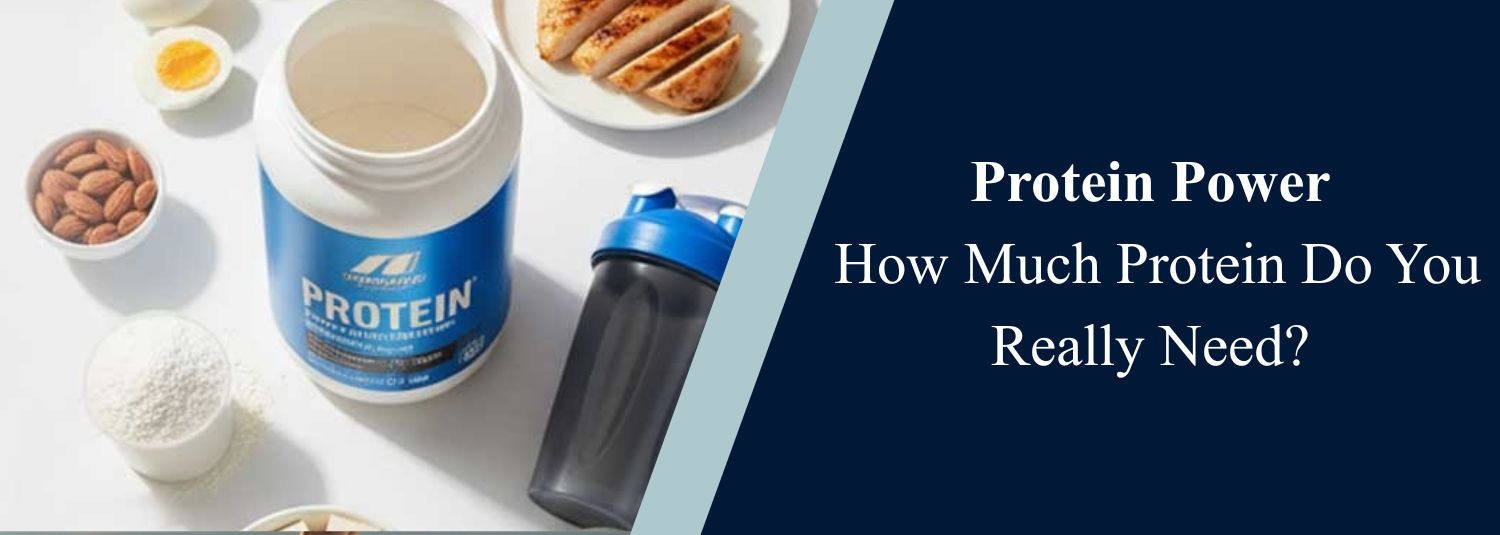
Protein is often called the building block of life, and for a good reason. It plays a key role in muscle repair, hormone production, immunity, and overall health. But one question many people ask is: “How much protein do I really need?”
In this guide, we’ll break down daily protein requirements, the best protein sources, myths about protein, and practical tips to make sure you get enough every day.
Why Protein is Important
Protein is essential for many bodily functions:
- Muscle repair and growth: After exercise, protein helps rebuild and strengthen muscles.
- Enzyme and hormone production: Proteins form enzymes that speed up chemical reactions and hormones that regulate bodily functions.
- Immune support: Antibodies that fight infections are made of protein.
- Weight management: Protein increases satiety and helps maintain lean body mass.
- Energy: While carbs and fats are primary energy sources, protein can provide energy when needed.
Getting enough protein is crucial at every age, from children to seniors, to maintain strength, energy, and overall health.
How Much Protein Do You Really Need?
Protein needs vary depending on age, activity level, and health goals.
General Guidelines:
- Adults (sedentary): 0.8 grams per kilogram of body weight per day
- Active adults: 1.2–2.0 grams per kilogram of body weight
- Athletes/bodybuilders: Up to 2.2 grams per kilogram of body weight
Example:
If you weigh 70 kg (154 lbs) and are moderately active:
-
Protein needed = 70 × 1.5 = 105 grams per day
Factors Affecting Protein Needs:
- Age: Older adults may require more to prevent muscle loss.
- Activity level: Exercise and strength training increase protein requirements.
- Health conditions: Certain illnesses, recovery from surgery, or pregnancy may increase needs.
Protein-Rich Foods
1. Animal-Based Protein Sources
These provide complete proteins, meaning they contain all essential amino acids.
-
Examples: Eggs, lean meat, poultry, fish, dairy products
-
Benefits: Easily absorbed, supports muscle repair and immunity
2. Plant-Based Protein Sources
Plant proteins are excellent, especially when combined to cover all essential amino acids.
- Examples: Lentils, beans, chickpeas, tofu, quinoa, nuts, seeds
- Tip: Pair grains with legumes (e.g., rice and beans) for a complete protein profile
3. Protein Supplements (Optional)
- Whey protein: Fast absorption, ideal post-workout
- Casein protein: Slow absorption, great for overnight recovery
- Plant-based powders: Pea, hemp, and soy protein for vegetarians and vegans
Supplements are convenient but not necessary if your diet provides enough protein naturally.
Protein Tips for Daily Life
- Spread protein intake across meals: Your body absorbs protein best when it’s evenly distributed.
- Include a source of protein in every meal: Breakfast, lunch, and dinner.
- Combine protein with fiber: Helps with satiety and blood sugar control.
- Avoid excessive protein: Too much can stress the kidneys in people with pre-existing conditions.
- Choose variety: Mix animal and plant sources for a broad nutrient profile.
Common Myths About Protein
- “More protein = more muscle” – Only effective when combined with resistance training.
- “Plant proteins are incomplete” – Combining different plant proteins ensures all essential amino acids.
- “Protein harms kidneys” – Only a concern for those with pre-existing kidney disease. For healthy individuals, moderate protein intake is safe.
FAQs About Protein
How much protein should an adult eat daily?
Generally, 0.8 grams per kilogram of body weight for sedentary adults. Active individuals require more.
Can protein help with weight loss?
Yes, it increases satiety and helps maintain lean muscle while losing fat.
What are the best protein-rich foods?
Eggs, fish, poultry, dairy, legumes, nuts, seeds, and tofu.
Do I need protein supplements?
Not necessarily. Whole foods are best, but supplements can be useful for athletes or busy individuals.
How much protein do athletes need?
Typically 1.2–2.2 grams per kilogram of body weight, depending on training intensity.
Can vegetarians get enough protein?
Yes, by combining legumes, grains, nuts, seeds, and dairy (if not vegan).
Is too much protein harmful?
Excess protein may strain kidneys in people with kidney issues. For healthy adults, moderate protein is safe.
How do I include protein in every meal?
Add eggs, Greek yogurt, beans, nuts, or lean meat to breakfast, lunch, and dinner.
Does protein improve energy levels?
Yes, protein supports muscle function and can provide a steady energy source when combined with carbs.
How can I calculate my daily protein needs?
Multiply your body weight in kilograms by 0.8–2.2 grams depending on activity level and health goals.
Trusted Sources & Key Facts
- Harvard Health: Protein is essential for muscle, bones, and overall health.
- Mayo Clinic: Daily protein requirements vary with age, activity, and health status.
- NIH (National Institutes of Health): Provides recommended dietary allowances for protein and safety guidelines.
Conclusion
Protein is essential for energy, muscle repair, immunity, and overall well-being. Understanding your daily protein requirements and including a variety of protein-rich foods like eggs, fish, dairy, legumes, and nuts ensures your body gets what it needs.
For personalized guidance on protein intake, nutrition planning, and dietary assessment, visit MolecularIT to create a protein plan tailored to your lifestyle and goals.
In News
Get Our Mobile App
for Easy Access
Book tests, view reports, and manage your health records on the go. Experience convenient healthcare with Molecular Diagnostics and Therapy.
- ✔ Book tests & home collection
- ✔ View reports instantly
- ✔ Track health history
- ✔ Get notifications & reminders
- ✔ Easy appointment management