Tonsillitis: Causes, Symptoms, Types & Tests
Talk to Health Expert

Dr. Nikunj Jain
Co-Founder and HOD - Nuclear Medicine ,MBBS, DRM, DNB, FEBNM, FANMB, Dip. CBNC
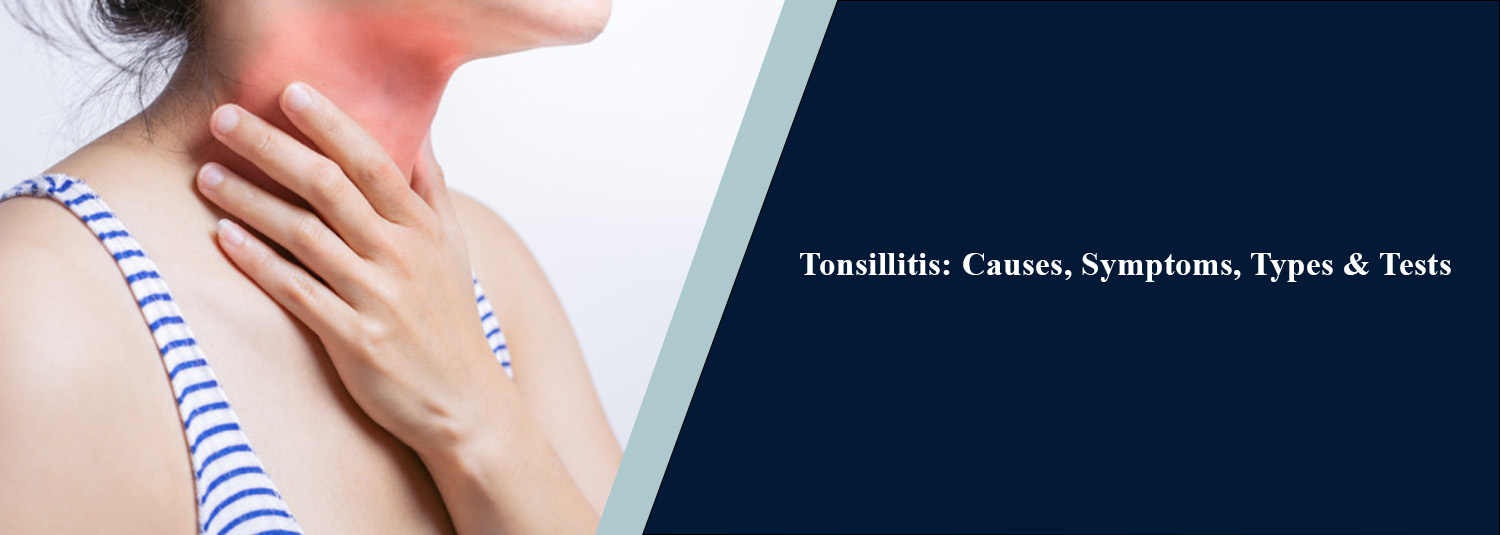
Tonsillitis is a frequent condition
where often the tonsils swell and become inflamed. Tonsils are two small masses
of tissue in the rear of the throat that make up parts of the immune system.
Tonsillitis may happen in children, teens, and adults and can be caused by a
viral or bacterial infection. Most cases are viral, but some are bacterial
(Group A Streptococcus).
The tonsils may be swollen, and it may
cause a sore throat, trouble swallowing, fever, and, in some cases, white spots
on your tonsils. Viral and bacterial infections can cause some similar
symptoms, making it sometimes necessary to be tested for the cause. When
evaluated by a health care provider, Molecular Diagnostics and Therapy provides
suitable diagnostic testing to assist in evaluating an infection.
What Is Tonsillitis?
Inflammation or infection of the
tonsils is known as tonsillitis. It can occur as a result of the infection of
the tonsils and throat with viruses and microorganisms. Most commonly caused by
viral infection. It can be accompanied by common cold and flu symptoms. Other
airway infections by bacteria, including Group A Streptococcus, are also
possible and frequently need antibiotics if they are diagnosed. Many people may
have the condition just one time and recover in a couple of days; however, some
individuals may find it occurs several times each year.
What Are the Causes
of Tonsillitis?
Tonsillitis causes can vary depending on the infection or condition
affecting the throat.
Viral Infections
Tonsillitis is most usually caused by
viruses. Inflamed tonsils can also be caused by viruses responsible for common
colds and other respiratory infections. Note a cough, runny nose, or a hoarse
voice, which could indicate a viral infection, not Group A strep.
Bacterial Infections
Tonsillitis may also be caused by
bacteria. A bacterial infection of the throat (pharyngitis) is caused by Group
A Streptococcus and can result in sudden-onset sore throat, fever, difficulty
swallowing, enlarged tonsils, white patches or streaks on the tonsils. There is
a risk of transmission of Group A Streptococcus in cases of close contact with
an infected individual, particularly in school-age children and in close
environments.
What Are the Symptoms
of Tonsillitis?
Tonsillitis symptoms can differ depending on the cause and severity of
the infection. Common symptoms include:
- Sore
throat
- Red and swollen tonsils
- Pain or difficulty while swallowing
- Fever
- Swollen or tender glands in the neck
- White patches or pus on the tonsils
- Bad breath
- Headache
- Tiredness
- Earache
- Cough in some cases
In children, some bacterial throat
infections can also cause stomach pain, nausea, or vomiting. White spots on the
tonsils aren't always a sign of bacterial infection. Symptoms and disease
duration (and, as appropriate, testing) help determine the cause.
Types of Tonsillitis
Tonsillitis can be described based on how long it lasts and how
frequently it occurs.
Acute Tonsillitis
Acute tonsillitis develops quickly and
frequently in a brief period of time. Is often associated with viruses or
bacteria causing trouble with feeding and fever, a sore throat and enlarged
tonsils.
Recurrent Tonsillitis
Recurrent tonsillitis is when you've
had tonsillitis more than once. In cases of unusually frequent recurrence or
severe cases, further medical evaluation may be indicated to determine the
cause and treatment of this condition.
Chronic Tonsillitis
If you are having tonsillitis regularly
and the episodes of tonsillitis are prolonged, then it is called chronic
tonsillitis. Chronic tonsillitis may cause ongoing sore throat, ear pain, nasal
congestion, persistently swollen tonsils, bad breath, or a hoarse voice.
Depending on the severity and nature of the tonsillitis, a healthcare
professional may recommend observation, supportive treatment, testing, or even
therapy or further investigation.
How Is Tonsillitis
Diagnosed?
Typically, tonsillitis is diagnosed by
taking a history and examining the throat. Your health care provider can check
for enlarged lymph nodes, tonsil size, white spots, and redness. If a bacterial
infection is suspected, a throat/swab may be suggested. The person's sample may
be tested to check if Group A Streptococcus (GAS) is in their sample.
What Tests Are Used
for Tonsillitis?
The appropriate tonsillitis tests depend on the symptoms and suspected
cause.
Rapid Strep Test
The rapid strep test is performed using
a throat swab to see if the person has a Group A Streptococcus infection in
his/her throat. May be an effective way to get results quickly and may play a
role in deciding if antibiotics are needed.
Throat Culture
A throat culture involves growing
bacteria from the patient's throat as well as putting them in a medium where
they can grow in the laboratory. Can detect the presence of Group A
Streptococcus and can detect infections not detected by a rapid test. With a
negative rapid strep test, the throat culture may be ordered for children and
teens who are suspected of having Group A strep. There may be variations in
suggestions for adults.
Blood Tests
If symptoms are severe, lasting, or if
it is suspected to be another infection, such as glandular fever, a blood test
may be ordered. Not everyone with tonsillitis has to have a blood test.
When Should You See a
Doctor?
A medical assessment might be necessary
if the symptoms are severe, persistent, recurrent, or if symptoms worsen. Seek
emergency care if there is difficulty breathing, low oxygen saturation,
inability to swallow fluids, excessive drooling, severe throat swelling,
difficulty opening the mouth, or rapidly worsening symptoms. These may
represent complications that are severe and require treatment.
Can Tonsillitis Cause
Complications?
In most cases, tonsillitis does not
cause serious complications and gets better. When bacterial throat infections
aren't treated properly, however, they may develop complications. A potential
complication is a build-up of pus in the space around the tonsils – a
peritonsillar abscess. Another possible problem that may occur with group A
strep infection is rheumatic fever or post-streptococcal kidney inflammation.
How Can Tonsillitis
Be Prevented?
Good hygiene helps to decrease the
chance of spreading infection, as many of the causes of tonsillitis are
infectious. Hand washing, do not share cups and utensils with an infected
person, cover your nose and mouth with a cloth while sneezing or coughing, and
do not come in close contact with members of the household suffering from
active respiratory infections.
Conclusion
In Molecular Diagnostics and Therapy, diagnostic tests may be used to help in the diagnosis of infection, when advised by a healthcare professional. If the symptoms indicate that further investigation should be undertaken, bacterial testing may be performed, which can identify Group A Streptococcus. The right kind of test depends on the symptom, medical history, age, and clinical assessment. Do not interpret a test result without taking into consideration the patient's symptoms and examination results.
Frequently Asked Questions
In News
Get Our Mobile App
for Easy Access
Book tests, view reports, and manage your health records on the go. Experience convenient healthcare with Molecular Diagnostics and Therapy.
- ✔ Book tests & home collection
- ✔ View reports instantly
- ✔ Track health history
- ✔ Get notifications & reminders
- ✔ Easy appointment management