Winter Smog: Health Risks, Causes, and Prevention Tips
Talk to Health Expert

Dr. Nikunj Jain
Co-Founder and HOD - Nuclear Medicine ,MBBS, DRM, DNB, FEBNM, FANMB, Dip. CBNC
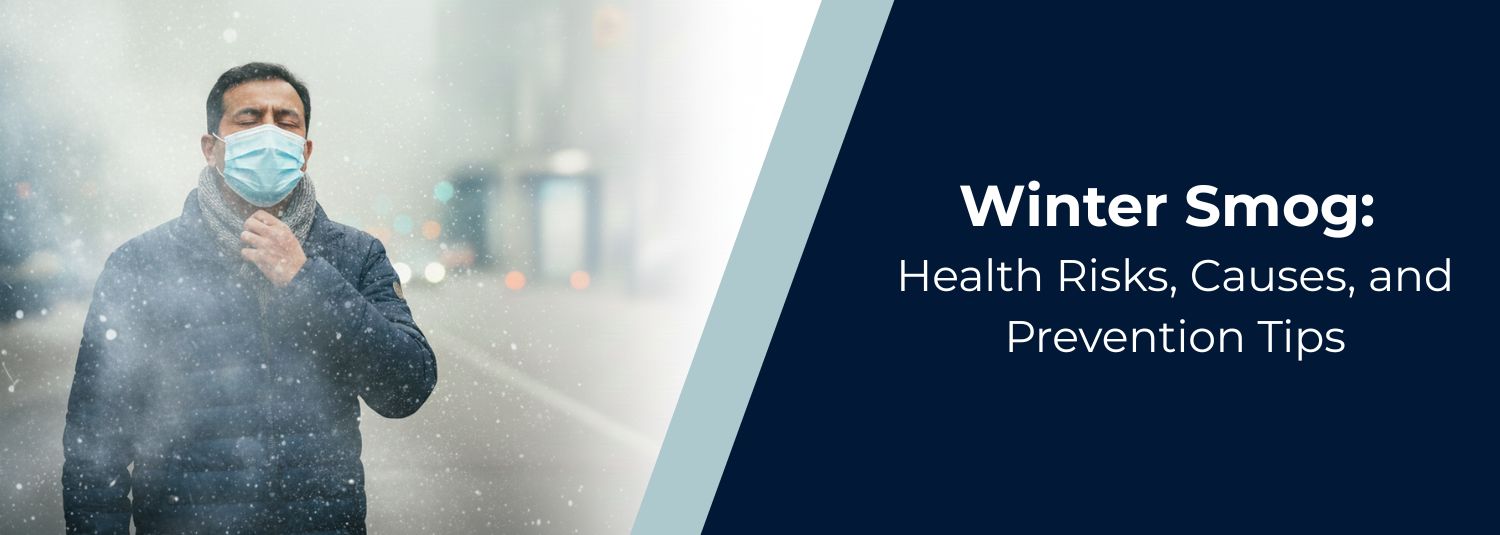
Ever noticed how the air feels heavier and visibility drops on cold winter mornings? That’s winter smog — a dense mixture of pollutants and fog that can turn your city skyline into a gray haze.
But smog isn’t just an eyesore — it’s a serious health hazard. It can irritate your lungs, trigger asthma, cause throat infections, and even increase the risk of heart and lung diseases.
In this blog, we’ll explain what winter smog is, why it happens, how it affects your health, and — most importantly — how you can protect yourself and your loved ones.
What Is Smog?
The word “smog” is derived from smoke + fog.
It’s a harmful mix of air pollutants, dust particles, ground-level ozone, and moisture, often trapped close to the ground during winter due to low temperatures and poor air circulation.
Types of Smog:
- Photochemical Smog (Summer Smog): Caused by sunlight reacting with pollutants like nitrogen oxides and volatile organic compounds.
- Sulfurous Smog (Winter Smog): Common in cold climates — formed when sulfur dioxide and particulate matter combine with fog and moisture.
During winter, the second type — sulfurous smog — becomes dominant, especially in industrial and urban areas.
Why Smog Is Worse in Winter
Several atmospheric and human factors make air quality poorer in winter:
- Temperature Inversion
- Normally, warm air near the surface rises and disperses pollutants. But in winter, cold air traps pollutants near the ground, creating a thick layer of smog.
- Increased Burning
- Burning of wood, coal, and waste for heating or cooking increases particulate matter (PM2.5, PM10) in the air.
- Vehicular and Industrial Emissions
- More vehicles on the road, along with industrial emissions, release nitrogen oxides, sulfur dioxide, and carbon monoxide — key components of smog.
- Low Wind Speed
- Lack of wind in winter prevents pollutants from dispersing, making the air stagnant and dirty.
Health Effects of Winter Smog
Prolonged exposure to smog affects every system in the body, especially the respiratory and cardiovascular systems.
1. Respiratory Issues
- Coughing, wheezing, and breathlessness
- Asthma attacks or worsening of COPD (Chronic Obstructive Pulmonary Disease)
- Irritation in throat and nasal passages
2. Cardiovascular Problems
Fine particles (PM2.5) can enter the bloodstream, leading to:
- High blood pressure
- Increased risk of heart attacks or stroke
3. Eye and Skin Irritation
Smog can cause itchy, watery eyes, redness, and even skin allergies.
4. Impact on Children and Elderly
Children breathe faster and take in more air per body weight — exposing them to higher pollutant concentrations.
Elderly individuals with weakened immunity or chronic illnesses are at greater risk of complications.
5. Long-Term Health Risks
- Chronic bronchitis
- Reduced lung capacity
- Increased risk of lung cancer (with prolonged exposure)
Did You Know?
According to WHO, air pollution contributes to over 7 million premature deaths each year worldwide — a large portion linked to winter smog exposure.
How to Diagnose Smog-Related Health Problems
If you experience persistent coughing, breathlessness, or chest tightness during smog-heavy days, consult your doctor or visit a diagnostic center like Molecular Diagnostics for:
Recommended Tests:
- Lung Function Test (Spirometry) – To measure breathing capacity.
- Allergy or IgE Test – Detects if pollutants are triggering immune reactions.
- Chest X-ray / HRCT Scan – Checks for inflammation or early lung damage.
- Blood Oxygen Test – Monitors oxygen levels in your blood.
These tests help identify early signs of respiratory distress caused by pollution, enabling timely medical intervention.
How to Protect Yourself from Winter Smog
1. Wear Anti-Pollution Masks
Use N95 or N99 masks that filter fine particulate matter (PM2.5).
2. Use Air Purifiers Indoors
Invest in HEPA-filter purifiers to remove indoor pollutants and allergens.
3. Boost Lung Health Naturally
Eat foods rich in Vitamin C, antioxidants, and omega-3 fatty acids — such as citrus fruits, turmeric, ginger, and flaxseeds.
4. Stay Hydrated
Water helps your body flush out toxins and keeps your respiratory tract moist.
5. Avoid Outdoor Exercise in Morning Smog
Pollution levels are highest early in the morning.
Try indoor workouts or yoga instead.
6. Keep Your Home Dust-Free
Vacuum carpets, clean filters, and keep windows closed during high smog alerts.
7. Get Regular Health Checkups
Periodic lung and respiratory tests can help detect early signs of pollution-related damage.
Preventive Measures for Society
While personal protection matters, tackling smog also requires collective responsibility.
- Support clean energy and electric vehicles.
- Avoid burning leaves or trash.
- Use public transport or carpooling.
- Advocate for stricter emission control policies.
Natural Remedies for Relief
If smog exposure causes throat or chest irritation:
- Inhale steam with eucalyptus oil to clear airways.
- Drink warm turmeric milk or honey water for natural relief.
- Use saline nasal sprays to reduce nasal irritation.
Conclusion: Take a Breath of Awareness
Winter smog is more than just a seasonal nuisance — it’s a silent, invisible threat to public health.
By understanding its causes and taking preventive measures, you can protect yourself and your family from long-term respiratory harm.
At Molecular Diagnostics, we provide comprehensive respiratory and pollution exposure testing, helping you detect and manage smog-related health risks early.
Breathe smart. Test early. Live healthy — with Molecular Diagnostics.
Frequently Asked Questions
In News
Get Our Mobile App
for Easy Access
Book tests, view reports, and manage your health records on the go. Experience convenient healthcare with Molecular Diagnostics and Therapy.
- ✔ Book tests & home collection
- ✔ View reports instantly
- ✔ Track health history
- ✔ Get notifications & reminders
- ✔ Easy appointment management