Chia Seeds Benefits: The Superfood That Boosts Energy, Digestion, and Heart Health
Talk to Health Expert

Dr. Nikunj Jain
Co-Founder and HOD - Nuclear Medicine ,MBBS, DRM, DNB, FEBNM, FANMB, Dip. CBNC
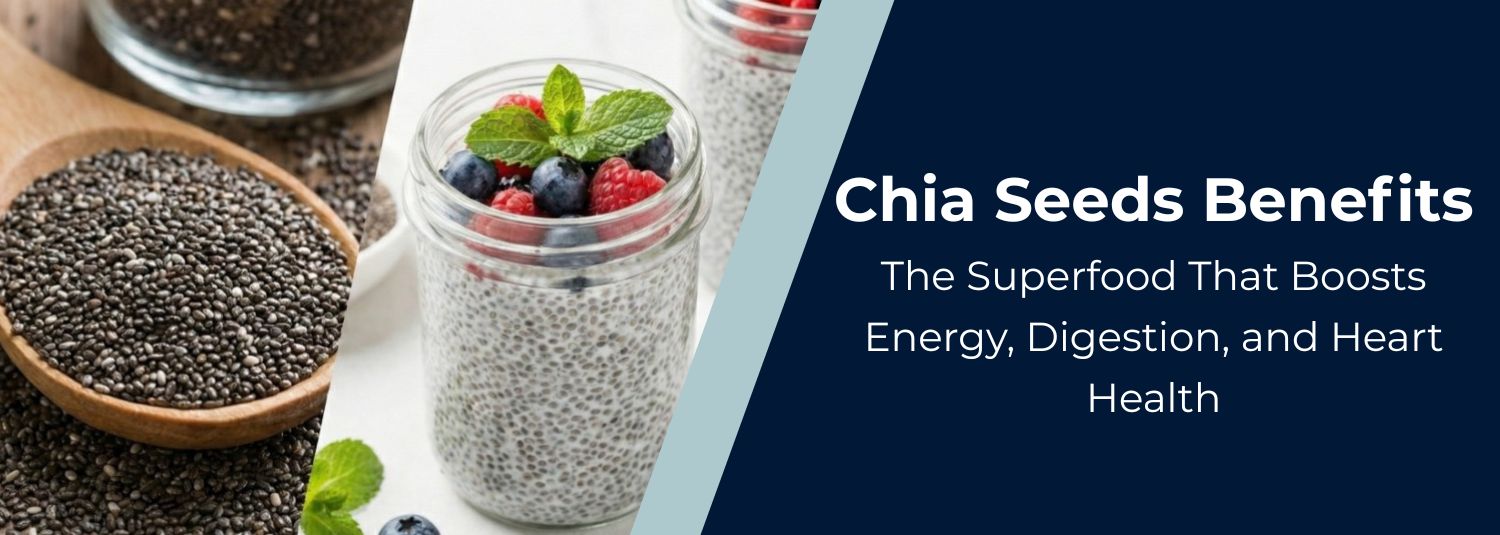
From fitness enthusiasts to nutritionists, everyone seems to be praising chia seeds — and for good reason!
These tiny black seeds pack a powerful nutritional punch, offering fiber, omega-3 fatty acids, protein, and antioxidants — all in just a spoonful. Once an ancient Aztec staple, chia seeds have become a modern-day superfood that supports weight management, heart health, and digestion.
But are chia seeds really worth the hype? Let’s dive into the science-backed benefits and how you can easily include them in your daily diet.
What Are Chia Seeds?
Chia seeds come from the plant Salvia hispanica, a member of the mint family native to Mexico.
They can absorb 10–12 times their weight in water, forming a gel-like texture that’s perfect for smoothies, puddings, or detox drinks.
Unlike sabja (basil) seeds, chia seeds don’t need to be soaked before consumption — but soaking improves their digestibility and nutrient absorption.
Nutritional Value (Per 2 tablespoons / 28g):
- Calories: 138
- Fiber: 10 g
- Protein: 4.5 g
- Omega-3 (ALA): 5 g
- Calcium: 18% of RDA
- Iron, Magnesium, Zinc: Rich in trace amounts
Top 10 Health Benefits of Chia Seeds
1. Aids Weight Loss and Controls Hunger
Chia seeds are rich in soluble fiber, which absorbs water and expands in your stomach, helping you feel full longer.
This natural satiety effect reduces snacking and promotes healthy calorie control.
Tip: Drink chia seed water before meals — mix 1 tbsp chia in a glass of water with lemon.
2. Promotes Heart Health
Chia seeds are among the richest plant-based sources of omega-3 fatty acids, known for their heart-protective benefits.
They reduce inflammation, lower LDL (bad cholesterol), and help maintain blood pressure within a healthy range.
Research shows chia seeds may help reduce cardiovascular risk factors when included in a balanced diet.
3. Balances Blood Sugar Levels
The fiber and protein in chia seeds slow down sugar absorption, stabilizing blood glucose levels.
This makes them an excellent choice for people with diabetes or insulin resistance.
Pro Tip: Add soaked chia seeds to yogurt or oatmeal for a steady energy release.
4. Boosts Digestive Health
A single serving of chia provides about 40% of your daily fiber needs.
That fiber feeds healthy gut bacteria and promotes regular bowel movements, reducing constipation and bloating.
Note: Always drink plenty of water when consuming chia seeds to support smooth digestion.
5. Improves Brain Function
The omega-3 fats (ALA) in chia seeds support cognitive function, memory, and focus.
They also help fight brain inflammation, lowering the risk of age-related decline and improving mental clarity.
6. Supports Muscle Growth and Recovery
With 4–5 grams of plant-based protein per serving, chia seeds are an excellent addition to vegetarian or vegan diets.
They also contain branched-chain amino acids (BCAAs) that promote muscle recovery post-exercise.
Best post-workout drink: Chia seed smoothie with banana and almond milk.
7. Hydrates the Body
Chia seeds’ water-absorbing property makes them ideal for hydration — especially during workouts or hot weather.
They act like a natural electrolyte, maintaining body fluids and energy levels.
8. Glowing Skin and Strong Hair
Rich in antioxidants, chia seeds combat oxidative stress, which causes premature aging and dull skin.
They also contain zinc and protein, essential for collagen formation and hair strength.
Regular intake can help improve skin elasticity and shine naturally.
9. Strengthens Bones
Chia seeds are packed with calcium, magnesium, and phosphorus — nutrients that build and maintain strong bones.
In fact, gram for gram, chia seeds have more calcium than milk!
Fun fact: 2 tablespoons of chia provide 180 mg of calcium — 18% of your daily need.
10. Detoxifies and Boosts Immunity
The combination of fiber, protein, and antioxidants supports the body’s detox process and strengthens the immune system.
Regular consumption helps flush toxins and maintain metabolic balance.
How to Eat Chia Seeds (The Right Way)
You can enjoy chia seeds in multiple ways:
- Chia Water (Morning Detox Drink):
- Soak 1 tbsp chia seeds in 1 glass of water for 15–20 minutes. Add lemon or honey.
- Smoothies:
- Blend soaked chia with fruits, yogurt, and milk.
- Chia Pudding:
- Mix chia with almond milk, refrigerate overnight, and top with berries or nuts.
- Sprinkle on Salads or Oats:
- Add directly for crunch and nutrition.
- Baking:
- Use chia gel as an egg substitute (1 tbsp chia + 3 tbsp water = 1 egg).
Chia Seeds vs Sabja Seeds
| Feature | Chia Seeds | Sabja Seeds |
|---|---|---|
| Origin | Salvia hispanica | Sweet basil plant |
| Soaking Time | 15–20 minutes | 10 minutes |
| Nutrients | Higher omega-3, protein | Better for digestion |
| Calories | Slightly higher | Lower |
| Ideal For | Energy & heart health | Cooling & gut health |
Both are nutritious — choose chia for omega-3 and protein, sabja for digestion and hydration.
Side Effects and Precautions
While chia seeds are safe, avoid overconsumption.
Excessive intake (over 2 tbsp/day) can cause:
- Bloating or gas
- Digestive discomfort
- Low blood pressure (if taken with BP medication)
Always soak chia seeds and drink enough water.
Conclusion: Small Seeds, Super Results
Chia seeds prove that big nutrition can come in small packages.
Rich in omega-3s, antioxidants, and fiber, they can easily enhance your overall health — from better digestion to glowing skin and a strong heart.
Add them to your breakfast, smoothies, or hydration drinks — and experience the natural energy boost your body deserves.
“Your health doesn’t need fancy supplements — sometimes, all it needs is a spoonful of chia.”
For a deeper look into your nutritional and metabolic health, book a Full Body Checkup or Vitamin Deficiency Test at Molecular Diagnostics today.
Frequently Asked Questions
In News
Get Our Mobile App
for Easy Access
Book tests, view reports, and manage your health records on the go. Experience convenient healthcare with Molecular Diagnostics and Therapy.
- ✔ Book tests & home collection
- ✔ View reports instantly
- ✔ Track health history
- ✔ Get notifications & reminders
- ✔ Easy appointment management